
In the years after World War II, Britain kept sugar under strict control until September 1953. When rationing finally ended, average consumption nearly doubled almost overnight. Researchers later discovered that this abrupt change created a powerful natural experiment.
People whose first thousand days of life fell under the tighter limits went on to develop far less cancer as adults. A 2026 study published in the Proceedings of the National Academy of Sciencesexamined more than 64,000 UK Biobank participants. All of them were born in Britain between 1951 and 1956.
Those born earlier spent more of the critical window—from conception to age two—under sugar restriction. Those born later experienced progressively freer access to sugar. This timing difference allowed scientists to isolate the long-term effects of early sugar exposure with unusual clarity.
The cancer results were striking across several major cancers. Fully exposed cohorts showed roughly 69 percent lower incidence of liver cancer and 52 percent lower rates of prostate cancer. Lung and rectal cancers fell by about 41 and 40 percent respectively, while breast cancer risk dropped by 36 percent.
These differences only became visible decades after rationing had ended. Beyond cancer incidence, the same groups displayed measurable signs of slower biological aging. Their leukocyte telomeres were longer, corresponding to approximately 2.2 fewer years of cellular aging.
Levels of Granzyme B, a marker of chronic immune activation, were also lower. Together these findings suggest that early nutrition left a lasting imprint on the body’s aging processes. A clear behavioral pathway helped explain part of the protection.
Adults who had experienced sugar rationing in infancy still consumed less sugar fifty years later. They tended to eat smaller portions and maintain more diverse, healthier diets overall. Taste preferences shaped in that early developmental window appeared to persist across a lifetime.
The study builds on earlier research using the same historical moment. Previous work had already linked early sugar restriction to lower risks of type 2 diabetes and hypertension, delayed disease onset, and better cardiovascular outcomes. The new cancer findings extend that pattern and strengthen the case that the first thousand days are uniquely influential.
Scientists point to two complementary mechanisms: lasting changes in food preferences and deeper biological programming of metabolism and immunity. While the natural-experiment design offers stronger evidence than ordinary observational studies, some residual confounding cannot be entirely ruled out. Still, the dose-response pattern—the more days under rationing, the greater the benefit—adds considerable weight to the conclusions.
These results carry practical implications for modern public health. Limiting added sugar during pregnancy and the first two years of life may offer lifelong protection against several common cancers. Parents, clinicians, and policymakers now have fresh evidence that the sweetness of early childhood can shape health far into old age.
Parents looking to apply these findings can start by choosing baby foods and snacks with no added sugar, or by making simple homemade purees. Tools such as baby food makers and low-sugar toddler snacks make it easier to keep early diets closer to the protective levels seen during the rationing era.
- No-Added-Sugar Baby Food Pouches
Brands like Serenity Kids Organic Baby Food Pouches (savory meat & veggie blends, 0g added sugar), Happy Baby Clearly Crafted, Once Upon a Farm, or Beech-Nut Stage 2 pouches.
These are bestsellers and directly support the “limit sugar in the first 1,000 days” message. - Baby Food Makers / Steamers & Blenders
Popular models such as the Grownsy Baby Food Maker, Momcozy AutoMeal, or Bear Baby Food Maker.
Parents use these to make homemade purees without any added sugar — high perceived value and strong conversion with your content. - Low- or No-Sugar Toddler Snacks
- Amara Smoothie Melts (fruit & veggie melts, no added sugar)
- Serenity Kids Grain-Free Puffs or Lil Puffs
- Earth’s Best Organic teething sticks or yogurt melts (choose low-sugar options)
- That’s It. Mini Fruit Bars (100% fruit, no added sugar)
- Books on Reducing Sugar for Kids
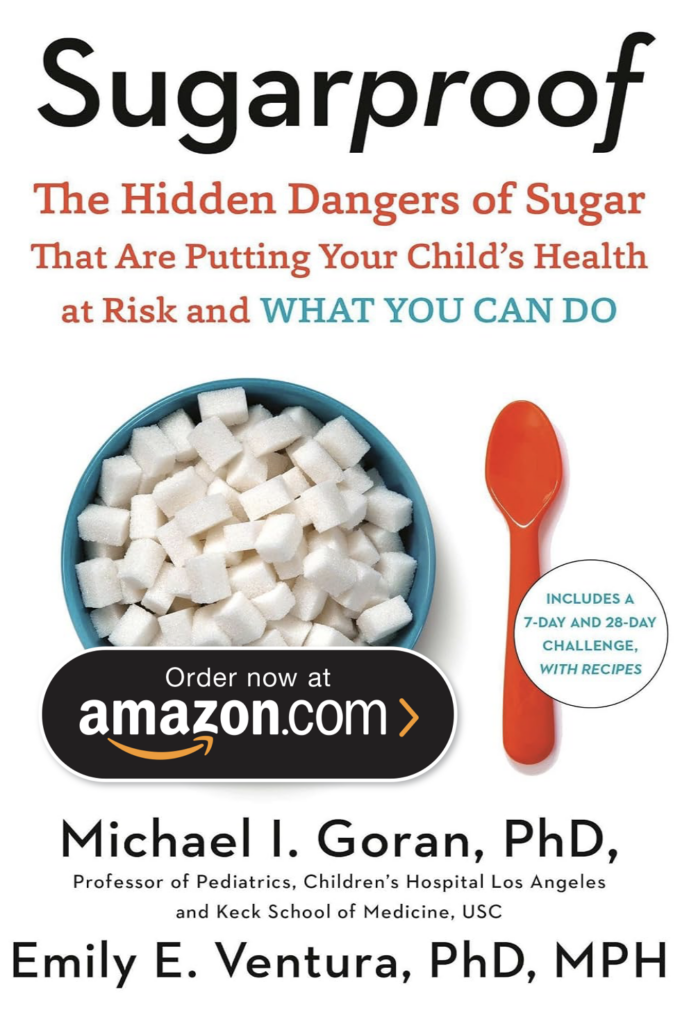
- Sugarproof by Michael Goran & Emily Ventura (excellent science-backed guide)
- Low-sugar recipe books such as Mom’s Sugar Solution or Sugar-Free Kids by Maria Emmerich
- Sugar-Free or Xylitol Treats
Zollipops or YumEarth Organic Vitamin C Pops (sugar-free lollipops).
 Atomic Homefront: The Hidden Nuclear Legacy Threatening St. Louis Suburbs
 The Hidden Link: How Artificial Food Dyes May Quietly Shape Children’s Behavior
 The Truth About Organic Cane Sugar and Hummingbird Nectar
 Don’t Drink the Water: The Glass Half Empty Reality of Invisible Contaminants