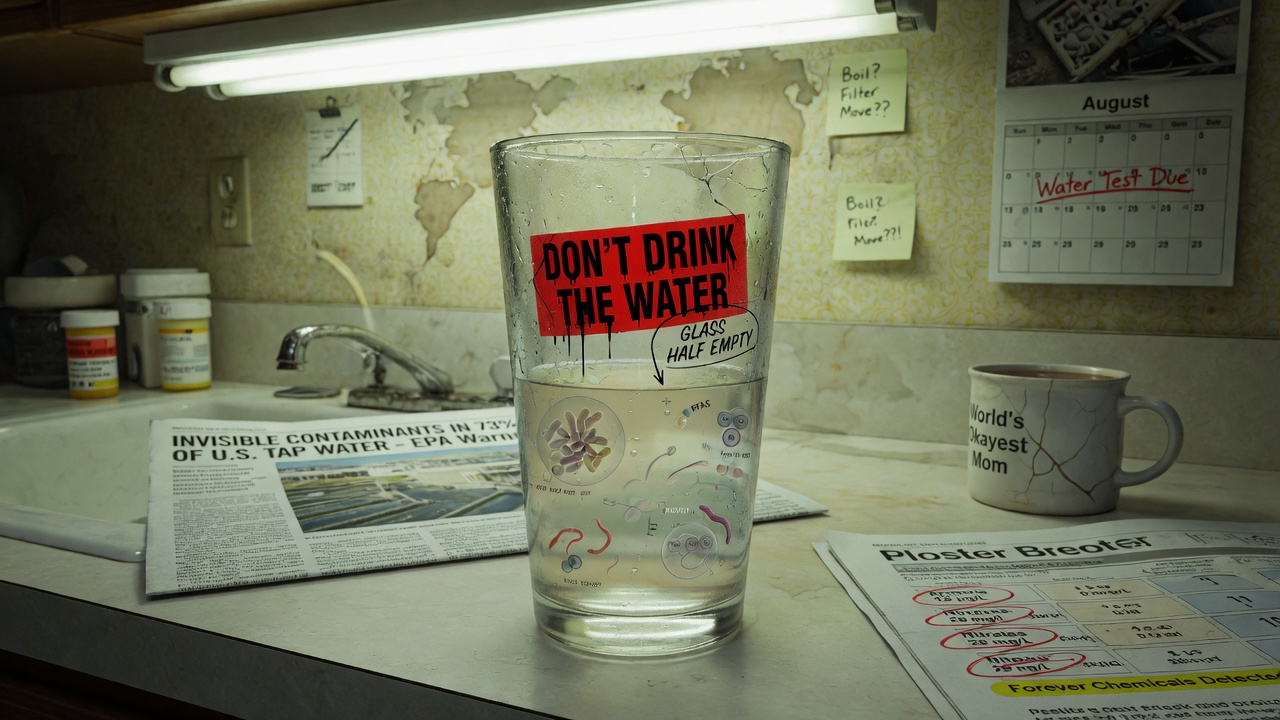
Your glass of tap water may appear crystal clear and refreshing, presenting the optimistic half-full view that it is safe to drink. Yet this perspective ignores the unseen threats lurking within, making the glass profoundly half empty when it comes to true health safety. Microparticles and chemical culprits invisible to the naked eye accumulate over years of consumption. These hidden invaders contribute to rising rates of illness, disease, and cancer across populations.
PFAS forever chemicals persist in drinking water supplies affecting millions. They resist breakdown and build up in the body over time. Studies link them to increased cancer incidence in multiple organ systems. The glass looks pure but delivers a steady dose of long-term risk.
Arsenic contaminates groundwater and treated supplies in many regions. Even low levels correlate with higher bladder, lung, and skin cancer rates. Chronic exposure damages cells silently without immediate symptoms. Optimists see regulated water while realists recognize the half-empty danger beneath the surface.
Lead leaches from aging pipes into countless households. Children suffer irreversible neurological harm from this invisible toxin. Adults face elevated cardiovascular and kidney problems. The clear glass mocks safety standards that fail to eliminate every risk.
Nitrates from agricultural runoff fuel the formation of cancer-causing compounds. They particularly threaten infants with blue baby syndrome. Long-term intake associates with colorectal and other malignancies. What appears as life-sustaining water carries agricultural poisons instead.
Disinfection byproducts form when chlorine reacts with organic matter. These trihalomethanes link to bladder and rectal cancers in epidemiological data. Treatment intended to kill bacteria creates new chemical hazards. The half-full illusion of sanitized water hides this unintended consequence.
Microplastics permeate tap water in staggering quantities worldwide. These tiny particles carry adsorbed pollutants deep into tissues. Emerging research suggests inflammation, endocrine disruption, and cellular damage. Your transparent glass contains a plastic soup undetectable without advanced equipment.
Chromium-6, the carcinogenic form of chromium, pollutes water near industrial sites. It elevates cancer risks even at trace environmental levels. Regulatory limits often lag behind the latest health evidence. The glass remains half empty despite treatment plants operating nearby.
Private wells frequently escape routine monitoring for contaminants. Rural families unknowingly consume water laced with multiple toxins. Arsenic and nitrates pose acute threats in agricultural zones. Optimism about well water shatters against testing data revealing hidden dangers.
PFAS exposure begins in the womb and continues lifelong through drinking water. Nearly all Americans show detectable levels in their blood. Immune suppression and developmental issues compound cancer risks. The half-full narrative of modern convenience ignores this generational burden.
Cancer registries reveal higher incidences near contaminated water sources. PFAS alone may contribute thousands of cases annually in the United States. Digestive, respiratory, and endocrine cancers show disturbing correlations. Clear water from the tap fuels these statistics year after year.
Heavy metals accumulate in organs with every sip over decades. Kidney damage and reproductive harms emerge gradually. Vulnerable populations like pregnant women face amplified effects. The glass half empty reveals systemic failure to protect the most sensitive.
Bottled water offers no reliable escape from microparticles. Production and packaging introduce additional plastics into the supply. Many brands test positive for similar contaminants as tap sources. Consumers pay premiums for the same half-empty reality in different packaging.
Aging infrastructure across cities exacerbates leaching of toxins. Billions of dollars in upgrades lag behind urgent needs. Communities endure boil advisories and contamination events repeatedly. Optimists await fixes while families drink compromised water daily.
Endocrine-disrupting chemicals mimic hormones in the body. They interfere with development, metabolism, and fertility. Water serves as a primary delivery vehicle for these stealth invaders. The clear appearance belies profound biological disruption at microscopic scales.
Global statistics paint a grim picture of water-related disease burden. Millions suffer diarrheal illnesses and chronic conditions from unsafe sources. Developing regions bear the heaviest load but risks persist everywhere. Half-full thinking fails against the half-empty evidence of widespread harm.
Biofilms on microplastics harbor additional pathogens. These colonies resist standard disinfection methods. Ingestion introduces both particles and microbes into the gut. Your daily glass facilitates this unseen microbial ecosystem.
Regulatory standards protect against acute poisoning but not subtle chronic effects. Low-level exposures accumulate damage imperceptibly. Cancer slope factors underestimate combined contaminant synergies. The system declares water safe while bodies register otherwise.
Industrial discharges and legacy pollution continue entering watersheds. Forever chemicals defy natural degradation processes entirely. Future generations inherit this persistent environmental debt. The glass half empty extends its shadow across decades and borders.
Neurological impacts from water contaminants affect cognitive function. Lead and arsenic impair child development with lifelong consequences. Adult exposure links to neurodegenerative risks later in life. Optimistic views of hydration overlook these invisible assaults on the brain.
Cardiovascular diseases rise in areas with poor water quality. Heavy metals and chemicals inflame vessels and elevate blood pressure. Population studies connect these patterns to drinking sources. The half-full glass of water contributes to half-empty health outcomes.
Reproductive harms manifest as fertility struggles and birth defects. PFAS and other toxins cross placental barriers readily. Pregnancy demands higher water intake amplifying exposure. Families discover too late the contaminants’ role in complications.
Immune system weakening leaves populations vulnerable to infections. Vaccine effectiveness drops in highly exposed groups. Chronic low-grade inflammation burdens the body’s defenses. Daily hydration ironically undermines resilience against disease.
Environmental justice reveals disparities in water contamination burdens. Low-income and minority communities face higher exposure levels. Industrial siting and infrastructure neglect compound health inequities. The glass half empty hits hardest where resources for alternatives are scarcest.
Nanoplastics penetrate cells more easily than larger microplastics. They circulate in blood and deposit in organs including the brain. Research into their toxicity accelerates but lags behind ubiquity. Your clear water conceals this nanoscale invasion.
Pharmaceutical residues and personal care products contaminate supplies. These emerging pollutants evade many treatment processes. Hormonal effects and antibiotic resistance risks grow. The half-full promise of purity dissolves in complex chemical mixtures.
Radionuclides occur naturally or from human activities in some waters. They emit radiation linked to increased cancer probabilities. Monitoring gaps leave many supplies unassessed for these threats. Invisible particles deliver invisible energy damage over time.
Agricultural pesticides and herbicides run off into rivers and aquifers. They persist and interact with other water contaminants. Endocrine and carcinogenic properties heighten concerns. Farmers and consumers alike drink the unintended harvest.
Wildlife serves as sentinels for human water risks. Fish and amphibians show reproductive failures and tumors. Bioaccumulation up the food chain returns toxins to human tables. The interconnected half-empty reality spans ecosystems and species.
Climate change intensifies water quality challenges through extreme events. Flooding mobilizes contaminants from soil and waste sites. Drought concentrates pollutants in remaining supplies. Future scenarios darken the glass further for coming generations.
Personal filtration offers partial defense but demands vigilance and cost. Reverse osmosis and certified systems reduce many but not all threats. Maintenance lapses restore exposure pathways quickly. Individual solutions highlight systemic shortcomings in public water safety.
Testing your local water reveals specific hidden culprits. Consumer confidence reports often understate chronic low-level risks. Independent lab analysis provides clearer half-empty insights. Knowledge empowers action yet underscores pervasive vulnerability.
Advocacy for stricter regulations and infrastructure investment remains essential. Public pressure can drive meaningful change over time. However delays allow continued exposure during bureaucratic processes. The glass stays half empty while debates continue.
It’s in the water, and now it’s in my marrow. These invisible microparticles and persistent chemicals have infiltrated the deepest reservoirs of the body, lodging in bone marrow where blood cells are formed. Over years of steady consumption the toxins rewrite health from within, elevating risks of leukemia, immune disorders, and systemic failure. The glass half empty has become a lifetime sentence written in silent molecular script.
Ultimately hydration sustains life yet contaminated sources erode it. Balancing necessity against invisible dangers requires informed caution. The optimistic half-full view comforts but deceives. Recognizing the glass half empty reality of microparticles and culprits protects health best.
Prioritize filtered or tested sources whenever possible moving forward. Support policies addressing root causes of contamination aggressively. Share awareness to shift collective perspectives on water safety. In a world of unseen threats, vigilance turns the half-empty glass toward safer horizons.
Here are the best Amazon products related to this article.
1. Top-Rated Countertop / Pitcher Filters (Best Entry-Level Sellers)
These products directly solve the fears raised in the article. The AquaTru, Epic Pure, Culligan MaxClear, and Tap Score kits are currently among the strongest performers based on 2026 reviews and certifications.
- Culligan MaxClear Gravity Water Filter System (Stainless Steel) — Strongly certified for microplastics, PFAS, and lead removal. Excellent performance in independent tests.
- Epic Pure Water Filter Pitcher (or Dispenser) — NSF-certified for PFAS, lead, chlorine, and many emerging contaminants. Frequently praised for taste and broad contaminant reduction.
- Clearly Filtered Water Pitcher — One of the highest-performing pitchers for comprehensive contaminant removal (including microplastics and PFAS).
- LifeStraw Home Water Filter Pitcher/Dispenser — Removes bacteria, parasites, microplastics, PFAS, lead, and more. Glass options available for a premium feel.
- PUR PLUS or Brita Elite Filter Pitchers — Affordable, high-volume options with good certifications for lead, microplastics, and some PFAS.
2. Reverse Osmosis (RO) Systems (Highest-Ticket & Most Effective)
- AquaTru Countertop RO System (Carafe or Classic) — Frequently ranked #1 for PFAS and microplastics removal in 2026 tests. No installation required — great for apartments.
- Waterdrop G3 or G2 Tankless RO — Popular, fast-flow systems with strong PFAS reduction and smart features.
- iSpring RCC7AK (6-Stage with Alkaline Remineralization) — Consistent Amazon bestseller with excellent reviews for under-sink installation.
RO systems address the “glass half empty” concern most thoroughly because they remove the widest range of contaminants.
3. Water Testing Kits (High Perceived Value & Pairing Opportunity)
- Tap Score Advanced City Water Test (by SimpleLab) — Lab-tested for 100+ contaminants including PFAS, heavy metals, lead, arsenic. Highly recommended by Wirecutter and experts.
- Varify 17-in-1 Complete Drinking Water Test Kit — Affordable strip kit for quick home testing of heavy metals, hardness, bacteria, etc.
- Specialized kits for PFAS, Heavy Metals, or Arsenic.
4. Other Strong Complementary Products
- Whole-house or under-sink filters certified for PFAS (e.g., Elkay or Aquasana models).
- Replacement filters
- Glass or stainless steel water bottles/carafes (avoid plastic leaching).
- Berkey-style gravity systems (popular for off-grid/emergency use and strong PFAS claims).
 Atomic Homefront: The Hidden Nuclear Legacy Threatening St. Louis Suburbs
 The Hidden Link: How Artificial Food Dyes May Quietly Shape Children’s Behavior
 The Sugar Shield: How Early-Life Rationing Built a Generation with Lower Cancer Risk
 Squeeze More Limes Into Your Life – The 3 Little-Known Ways This Tart Citrus Fruit Transforms Your Health