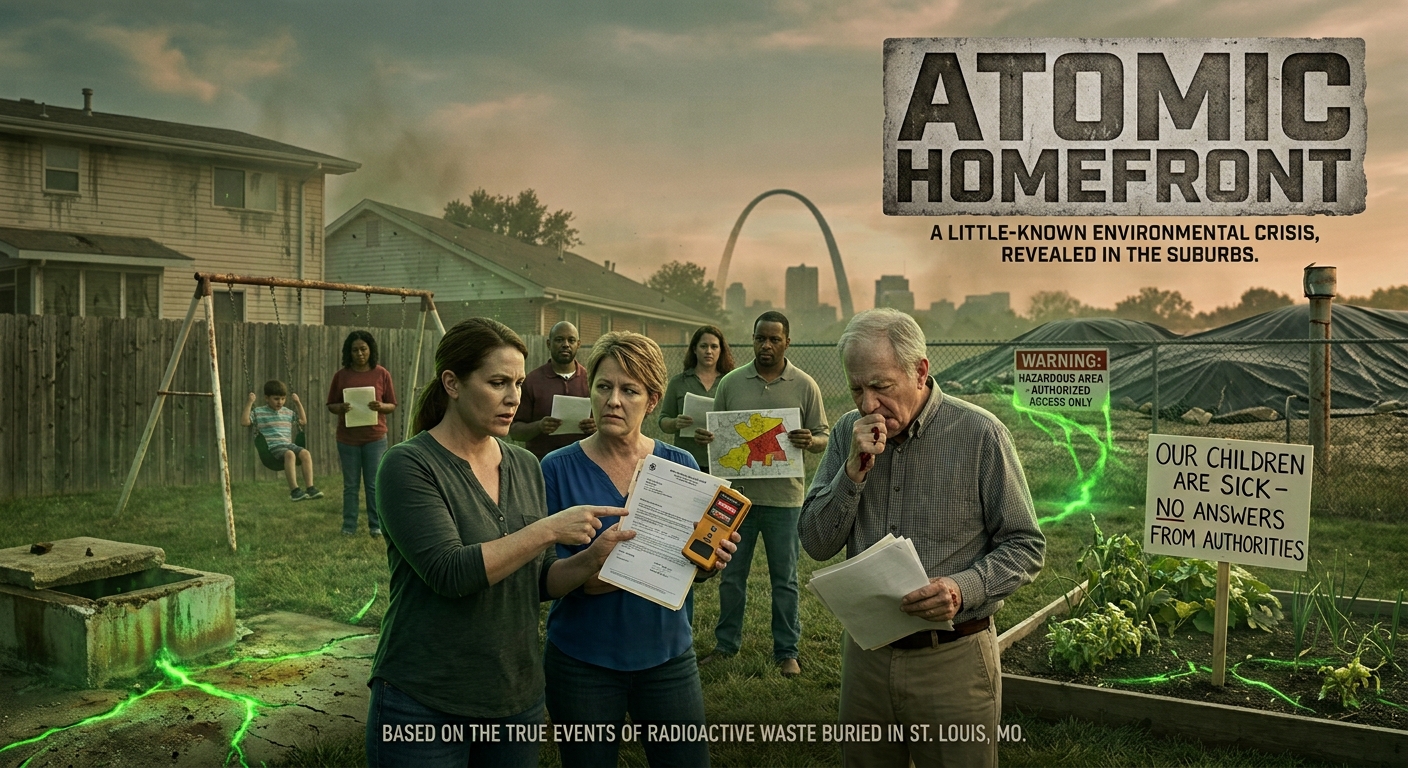
Atomic Homefront is a powerful 2017 documentary that exposes a little-known environmental crisis rooted in America’s atomic past. Directed by Rebecca Cammisa, the film focuses on radioactive waste buried in the suburbs of St. Louis, Missouri. It reveals how communities discovered contamination linked to the Manhattan Project decades after the fact. Residents faced rising rates of rare cancers and other illnesses without clear answers from authorities. The documentary serves as both a historical account and a call for accountability.
Rebecca Cammisa, an Oscar-nominated filmmaker known for works like Which Way Home, co-produced the film with James B. Freydberg and Larissa Bills. The project received support from organizations including the MacArthur Foundation and the Sundance Documentary Fund. Filming took place primarily between 2014 and 2015 over several years of on-the-ground reporting. HBO Documentary Films handled distribution, bringing the story to a wider audience. The result is a 96-to-100-minute examination of citizen activism against institutional inertia.
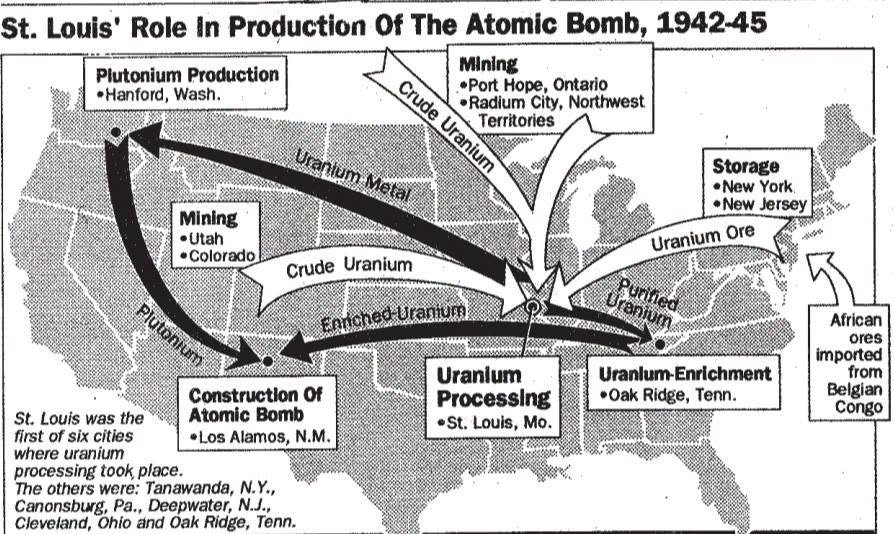
During World War II, St. Louis became a key uranium processing center for the Manhattan Project starting in 1942. Companies such as Mallinckrodt Chemical Works handled the ore that contributed to the first atomic bombs. Radioactive byproducts containing uranium, thorium, and radium accumulated in large quantities. Officials and contractors later moved much of this waste to sites near residential areas. Poor handling practices set the stage for long-term contamination that residents would only fully confront generations later.
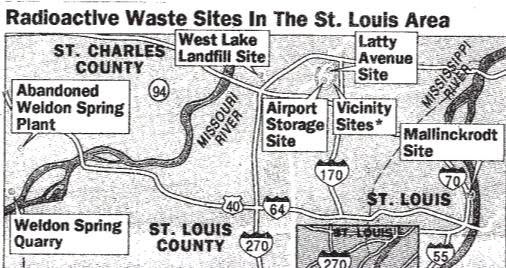
In 1973, approximately 47,000 tons of the radioactive material were illegally dumped at the West Lake Landfill near Bridgeton. Additional waste affected Coldwater Creek, a waterway running through neighborhoods in Florissant and surrounding suburbs. Flooding and natural processes allowed radionuclides to leach into soil, water, parks, and private properties. Many homebuyers remained unaware of the history when purchasing homes in the area. The site eventually earned Superfund status due to the severity of the pollution.
Local residents began noticing clusters of rare cancers, birth defects, autoimmune disorders, and other radiation-linked illnesses. Families reported multiple cases within the same households and neighborhoods along the creek. Some individuals tested their homes and found elevated levels of thorium and other radionuclides far above background norms. Personal testimonies in the film capture the grief of parents who lost children to aggressive diseases. These health concerns fueled growing distrust of official reassurances about safety.
Compounding the danger was an uncontrolled subsurface smoldering event at the adjacent Bridgeton Landfill. This underground fire, essentially a chemical reaction without open flames, slowly advanced toward the radioactive waste. Activists warned that contact could release hazardous particles into the air and worsen the contamination. Government agencies monitored the situation but faced criticism for slow responses. The combination of buried waste and the approaching fire created a sense of urgency for the community.
Grassroots groups led by mothers emerged as the primary force for change. Dawn Chapman and Karen Nickel founded Just Moms STL to demand action from the EPA and state regulators. Another group, Coldwater Creek – Just the Facts Please, focused on documenting illnesses and educating residents and doctors. These women confronted officials in public meetings, traveled to Washington, and pressed for cleanup and transparency. Their persistence turned private fears into organized environmental justice campaigns.
The documentary premiered at major festivals including AFI Docs in June 2017, DocNYC, and the St. Louis International Film Festival. Critics praised its calm yet infuriating portrayal of neglected risks and determined activism. It later aired on HBO in February 2018 and earned recognition such as the 2019 Robert F. Kennedy Journalism Award. Reviews highlighted the strength of the residents’ stories and the film’s role in raising national awareness. The work stands as a notable entry in environmental documentary filmmaking.
Atomic Homefront became available through HBO platforms after its festival run and has appeared in educational distributions. Availability on major streaming services has varied over time and by region. The film continues to serve as a reference point for discussions about nuclear waste management and Superfund sites. Viewers often express surprise that such a significant contamination issue remained relatively obscure for so long. Its enduring value lies in documenting ordinary people challenging powerful institutions.
Cleanup efforts at the West Lake Landfill continue under EPA oversight years after the film’s release. Plans call for excavating higher concentrations of radiologically impacted material for off-site disposal while covering remaining contamination. Recent sampling has expanded the known scope of the problem and adjusted timelines, with excavation targeted for around 2027. The documentary underscores the human cost of delayed action and the necessity of sustained public pressure. Atomic Homefront remains a vital reminder of the long shadow cast by the atomic age on everyday American communities.
Nuked: Echoes of the Hiroshima Bomb in St. Louis by Linda C. Morice (University of Georgia Press, 2022) is the best and most directly relevant book on the subject of the Atomic Homefront documentary.
Why this book?
It focuses precisely on the history covered in the film: Mallinckrodt Chemical Works’ uranium processing in St. Louis for the Manhattan Project (and later Cold War weapons), the improper storage and dumping of radioactive waste near the St. Louis Airport, contamination of Coldwater Creek, the spread of radionuclides into northern St. Louis County suburbs, and the resulting long-term public health crisis (elevated cancers and other illnesses). It also addresses related issues such as the illegal dumping at West Lake Landfill.
Morice, a professor emerita who grew up near Coldwater Creek and lost family members to related illnesses, combines personal experience with detailed historical research. The book is readable (not overly academic) and explains how secrecy, cost-cutting, poor waste handling, and fragmented government responses allowed the problem to persist for decades. Cleanup efforts are projected to continue for years.

Other relevant option
A more specialized academic title is The Disposal of Radioactive Wastes in the Metropolitan St. Louis Area: The Environmental and Health Legacy of the Mallinckrodt Chemical Works by Denise DeGarmo. It offers a detailed historical and environmental analysis of the same Mallinckrodt operations and waste legacy but is denser and less narrative-driven.
Who is Just Moms STL?
Founded by St. Louis residents Dawn Chapman and Karen Nickel, Just Moms STL is a grassroots nonprofit organization and advocacy group dedicated to protecting the St. Louis metropolitan area from toxic and radioactive waste. They focus heavily on the West Lake Landfill—an EPA Superfund site where Manhattan Project-era nuclear waste was dumped, a situation made vastly more urgent by a long-burning underground fire moving toward the radioactive material.
Why You Should Follow Their Facebook Page
- Crucial, Real-Time Updates: The group uses their platform to share direct, up-to-date information on EPA decisions, government meetings, and environmental clean-up progress. They focus on educating the public with logic and facts rather than creating panic.
- Protection Against Scams: They actively warn the community about predatory entities and scams trying to exploit residents seeking compensation, frequently working alongside state leadership to keep the public safe.
- A Supportive Community: The page was designed to honor and remember those battling severe illnesses—such as rare cancers, autoimmune diseases, and asthma—linked to the contamination, offering a space for shared experiences and solidarity.
Why Their Cause Deserves Support
- Driving Legislative Change: The group tirelessly lobbies local and federal officials to secure clean-ups and victim compensation. They have been instrumental in pushing for expansions to the Radiation Exposure Compensation Act (RECA) to rightfully include Missouri residents.
- Holding Authorities Accountable: For decades, the public was left in the dark about the radioactive waste in their backyards. Just Moms STL cuts through the red tape, forcing government agencies and responsible corporations to answer to the communities they impacted.
- Championing Environmental Justice: Their fight is not just local; they have become a repository of knowledge, mentoring people at other Superfund sites across the country and advancing policies that protect future generations from harm.

People outside St. Louis should care about the radioactive contamination documented in Atomic Homefront because it exposes a national pattern of government and corporate negligence that is not unique to Missouri. The waste originated from the Manhattan Project and Cold War nuclear weapons production, programs that operated in multiple states and left similar legacies at sites such as Hanford, Oak Ridge, and others still requiring cleanup. When federal agencies delay action or minimize risks at a Superfund site that also contains an advancing underground fire, it sets a dangerous precedent for how the country manages toxic materials near homes, schools, and waterways. Taxpayers across the United States ultimately fund these long-term remediation efforts, which can run into hundreds of millions of dollars when problems are allowed to worsen. The health consequences—elevated rates of rare cancers, birth defects, and chronic illnesses—illustrate the human cost of inadequate oversight that could affect any community living near historical nuclear facilities.
The story also matters as a powerful example of grassroots environmental justice that has national implications. Ordinary residents, particularly mothers who organized groups like Just Moms STL, forced attention onto an issue that remained largely overlooked for decades and helped push for expanded compensation under the Radiation Exposure Compensation Act. Their persistence demonstrates how local activism can hold federal agencies accountable and influence broader policy on nuclear waste and public health protections. Similar hidden contamination risks exist or could emerge in other regions where weapons production or industrial nuclear activities once occurred. Ignoring the lessons from St. Louis weakens the country’s ability to prevent future disasters and erodes public trust in environmental regulation. The fight over West Lake and Coldwater Creek is therefore a test case for whether the United States will responsibly address the toxic inheritance of its atomic age.
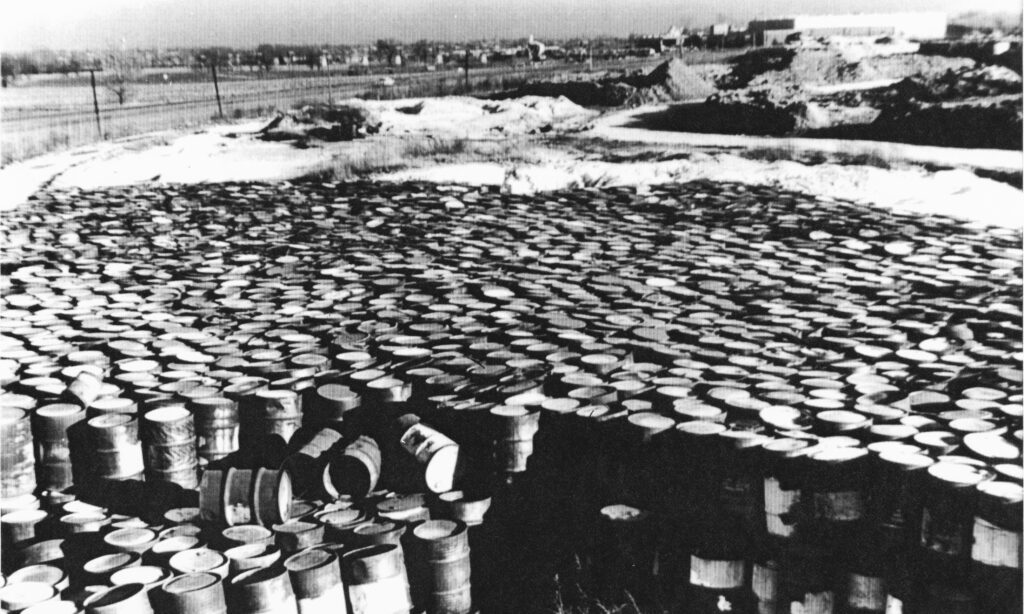
KAY DREY MALLINCKRODT COLLECTION | STATE HISTORICAL SOCIETY OF MISSOURI
 The Hidden Link: How Artificial Food Dyes May Quietly Shape Children’s Behavior
 The Sludge War: Uncovering America’s Hidden Sewage Scandal
 The Sugar Shield: How Early-Life Rationing Built a Generation with Lower Cancer Risk
 Don’t Drink the Water: The Glass Half Empty Reality of Invisible Contaminants