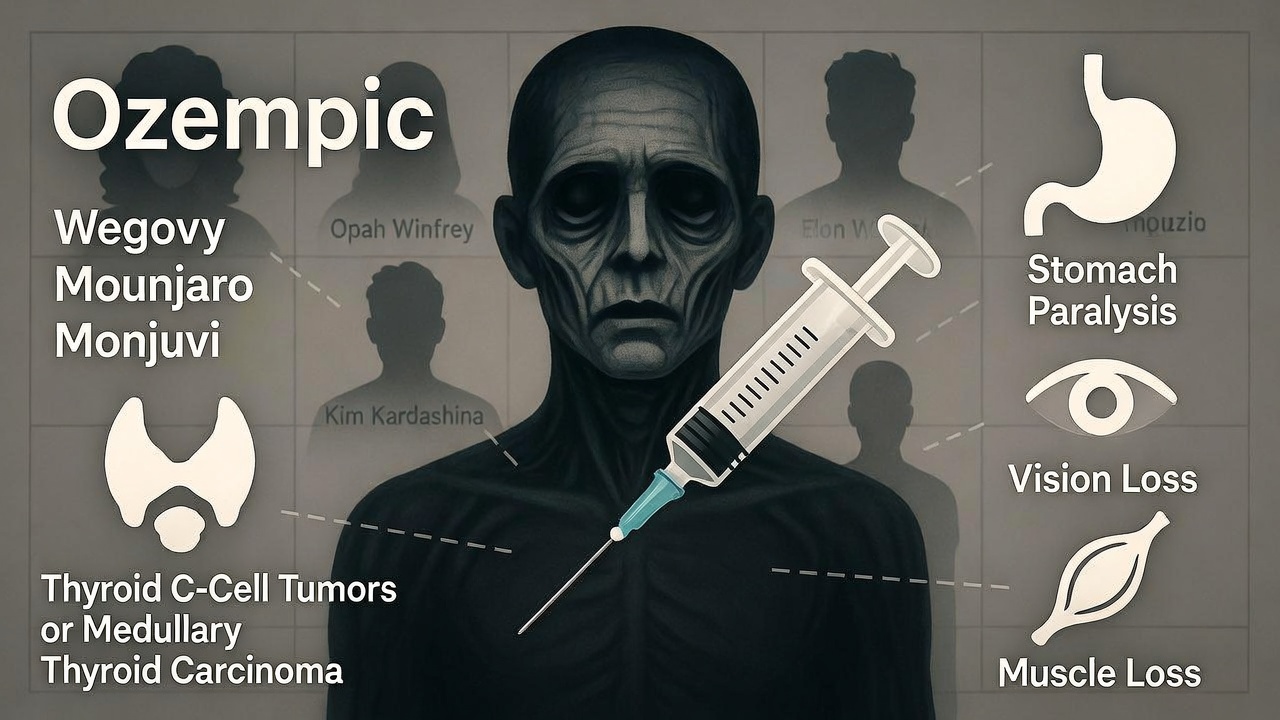
In America, where obesity affects nearly four in ten adults and drives epidemic levels of type 2 diabetes, heart disease, joint problems, and early mortality, the quest for effective weight loss has become a national obsession. Decades of public health campaigns, fad diets, and gym memberships have delivered disappointing long-term results for most people, fueling frustration and a deep sense of desperation. Enter the GLP-1 receptor agonists—Ozempic (semaglutide), Wegovy, Mounjaro, and Zepbound (tirzepatide)—weekly injections originally approved for diabetes that now promise dramatic, seemingly effortless weight reduction of 15–20% or more in clinical trials. For millions struggling with stubborn pounds, these drugs appear as a modern miracle in an era when willpower alone is widely viewed as insufficient for lasting change.
The desperation driving their explosive popularity is rooted in harsh realities: obesity rates, while slightly declining to around 37% thanks in part to these medications, still plague tens of millions, carrying life-altering health risks and heavy social stigma. Yo-yo dieting, emotional eating, and the constant mental battle against hunger have left countless patients exhausted and defeated after years of failed attempts. With busy lives, limited access to personalized coaching, and a culture glorifying rapid transformations on social media, the appeal of a simple shot that suppresses appetite, slows digestion, and delivers visible results in months feels like the ultimate shortcut—especially when insurance coverage or celebrity endorsements make it seem accessible and normalized.
Hollywood has supercharged the trend, with A-listers openly crediting these drugs for their transformations and removing much of the former taboo. Oprah Winfrey has discussed her use of weight-loss medications as part of a broader health journey, while Elon Musk publicly attributed his slimmer, “ripped” physique to Wegovy combined with fasting. Other prominent voices include Sharon Osbourne, Amy Schumer (who praised Mounjaro after struggling with Wegovy), Serena Williams (who lost 31 pounds postpartum on Zepbound), Whoopi Goldberg, and Kathy Bates—turning what was once whispered about in elite circles into mainstream conversation that inspires everyday fans to ask their doctors for prescriptions.
Yet a eerily uniform “look” has emerged among many of these famous users and regular patients alike: the infamous “Ozempic face.” Rapid fat loss depletes the supportive volume in the cheeks, temples, and under the eyes, leaving behind hollowed, sunken features, sagging skin, and a gaunt, prematurely aged appearance. Sharon Osbourne openly admitted feeling “too gaunt” and under 100 pounds, while stars like Kathy Bates, Scott Disick, and Jessica Simpson have faced relentless online scrutiny over their newly hollowed cheekbones and wrinkled, deflated faces—visible proof that the drugs strip fat indiscriminately, including from the face where it provides youthful plumpness.
Adding to the physical trade-offs is another under-discussed downside: substantial muscle loss. Research shows that 25–40% of the weight shed on these GLP-1 drugs often comes from lean muscle mass rather than fat alone, potentially slowing metabolism, reducing strength, and raising long-term risks of frailty—especially without aggressive resistance training and high-protein intake. But sustainable, healthy weight loss is entirely possible without needles, side effects, or muscle wasting. Through balanced nutrition, consistent movement (including strength training), better sleep, and mindful habits, thousands of people have shed significant pounds, kept them off for years, and improved their overall health—proving that patience, consistency, and a holistic approach deliver results that last without gambling on pharmaceutical risks.
The Ozempic Phenomenon – And Why the Hype Might Be Hiding a Nightmare
Ozempic, Wegovy, Mounjaro, and Zepbound have exploded in popularity as game-changing weight-loss drugs. These GLP-1 receptor agonists (semaglutide for Ozempic and Wegovy; tirzepatide for Mounjaro and Zepbound) work by mimicking a gut hormone to slow digestion, curb appetite, and dramatically reduce weight—often 15–20% of body weight in clinical trials. Celebrities, social media influencers, and millions of everyday users have turned them into a cultural obsession for treating obesity and type 2 diabetes.
But beneath the before-and-after photos lies a darker reality: these drugs carry serious, potentially life-altering risks that go far beyond the well-known nausea and vomiting. Official FDA labels include black-box warnings, post-marketing reports reveal severe complications, and thousands of lawsuits are piling up. Here’s what the manufacturers and headlines often downplay.
The Black-Box Threat: Thyroid Tumors and Cancer
Every one of these drugs carries the FDA’s strongest warning—a boxed warning for risk of thyroid C-cell tumors, including medullary thyroid carcinoma (MTC). In rodent studies, semaglutide caused dose- and duration-dependent tumors at human-equivalent doses. While it’s unknown if the same happens in humans, the risk is real enough that the drugs are contraindicated (forbidden) if you have a personal or family history of MTC or Multiple Endocrine Neoplasia syndrome type 2 (MEN 2).
Patients are urged to watch for symptoms like a neck mass, trouble swallowing, shortness of breath, or persistent hoarseness. Routine thyroid monitoring isn’t recommended because it can lead to unnecessary tests, but the warning remains front-and-center on every label.
Stomach Paralysis, Bowel Blockage, and GI Catastrophes
The drugs deliberately slow gastric emptying—which is how they suppress hunger—but this can go terribly wrong. Gastroparesis (stomach paralysis) causes food to sit undigested for weeks or months, triggering relentless nausea, vomiting, bloating, abdominal pain, and malnutrition. Related issues include ileus (intestinal paralysis) and bowel obstruction, which can require emergency surgery, hospitalization, or lead to sepsis.
The official Ozempic label explicitly states it is not recommended in patients with severe gastroparesis and warns of post-marketing reports of ileus and intestinal obstruction. Dehydration from these GI reactions has also triggered acute kidney injury, sometimes needing dialysis.Over 3,100 lawsuits are consolidated in federal court (MDL No. 3094) accusing Novo Nordisk and Eli Lilly of failing to warn patients about these exact injuries. A separate MDL for vision claims is growing rapidly.
Pancreatitis and Gallbladder Attacks
Acute pancreatitis—inflammation of the pancreas that can become hemorrhagic, necrotizing, or fatal—has been reported with GLP-1 drugs. The label instructs doctors to discontinue the drug immediately if persistent severe abdominal pain (often radiating to the back) occurs.
Gallbladder disease is another frequent hit: gallstones (cholelithiasis) and cholecystitis (gallbladder inflammation) occurred in clinical trials at higher rates than placebo, sometimes requiring surgery. Rapid weight loss itself contributes, but the drugs amplify the risk.
Kidney Failure, Vision Loss, and Other Emergencies
Dehydration from vomiting and diarrhea can slam the kidneys, causing acute injury—especially during dose escalation. The label warns to monitor renal function and stay hydrated.
Vision threats are escalating. The label notes diabetic retinopathy complications (worsening eye damage) in trials, particularly in patients with pre-existing retinopathy. More alarmingly, recent studies link semaglutide to NAION (“eye stroke”)—sudden, often permanent vision loss or blindness in one eye. Wegovy may carry the highest risk among these drugs. A new MDL (No. 3163) was created in late 2025 specifically for these vision-injury cases.
Additional red flags include serious hypersensitivity reactions (anaphylaxis, angioedema), increased risk of pulmonary aspiration during anesthesia (because the stomach doesn’t empty properly), and the need for careful blood-sugar monitoring when combined with insulin or sulfonylureas.
Other famous people are getting the same face, though. It's called Ozempic face.pic.twitter.com/oU4IddukKm
— Duane Alan Hahn (@Random_Terrain) March 13, 2026
Suicidal Thoughts: Monitored but Not Proven
The FDA has investigated reports of suicidal ideation and actions. As of its latest update, no clear causal link was found in trials or large studies, though a small risk can’t be entirely ruled out. Labels still contain monitoring language inherited from older weight-loss drugs. Doctors must watch for mood changes, and patients are told to report depression or suicidal thoughts immediately (call 988 for help).
The FDA recently issued a warning letter to Novo Nordisk for allegedly failing to properly report some adverse events, including deaths (one suicide), though the agency does not claim the drugs caused them.
The Bottom Line: Powerful Drugs Demand Respect
These medications are FDA-approved for specific uses and have helped many people regain health when diet and exercise alone failed. But the serious risks—some life-threatening, some potentially permanent—are not rare anecdotes. They appear on official labels, in post-marketing data, and in surging litigation.
Compounded or counterfeit versions flooding the market add extra danger through dosing errors and unknown ingredients.
If you’re considering Ozempic, Wegovy, Mounjaro, Zepbound, or any GLP-1 drug, talk to a doctor who knows your full medical history. Get baseline tests. Monitor symptoms closely. And remember: no injection is a risk-free shortcut. The “miracle” shots sweeping the nation come with a hidden price tag that could cost you far more than money.
Kelly and Sharon Osbourne have faced plenty of rumors while in the public eye, but chatter around 'Ozempic face' has been relentless over the past few years. https://t.co/ajdFi7tIJS
— women.com (@womendotcom) March 15, 2026
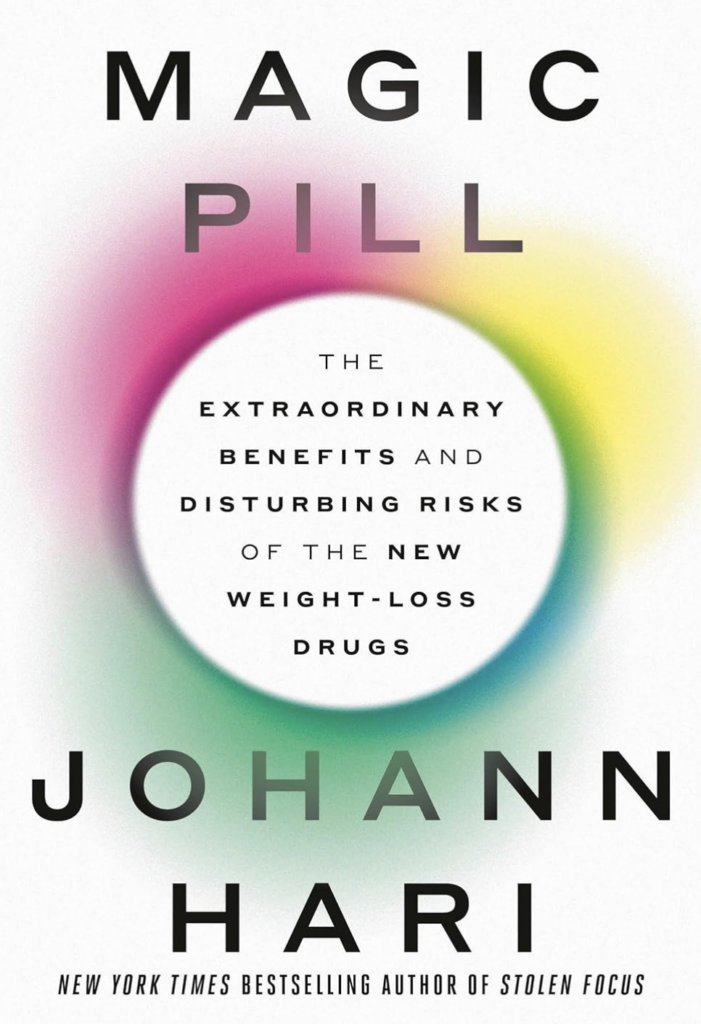
A strong, relevant book to suggest right now (as of March 14, 2026) about Ozempic and related GLP-1 drugs is Magic Pill: The Extraordinary Benefits and Disturbing Risks of the New Weight-Loss Drugs by Johann Hari.This stands out as an excellent recommendation because:
- It directly dives into Ozempic (semaglutide), Wegovy, Mounjaro, Zepbound (tirzepatide), and the broader class of weight-loss injections—balancing their impressive benefits (dramatic weight loss, improved health markers for obesity and diabetes) with a candid look at disturbing risks and side effects (including GI issues, muscle loss, potential long-term concerns like thyroid/pancreatic risks, “Ozempic face,” and societal impacts).
- The author, a New York Times bestselling journalist, shares his personal experience using these drugs, combined with investigative reporting, scientific insights, patient stories, and broader analysis of how they’ve reshaped food culture, body image, and public health.
Other Solid Alternatives If This Doesn’t Fit the Vibe
- For a doctor-authored, practical guide emphasizing safe use and side-effect management: The Ozempic Revolution: A Doctor’s Proven Plan for Success by Alexandra Sowa (covers how GLP-1s work, risks like “Ozempic face,” and strategies to reverse obesity sustainably—more supportive of the drugs but still addresses downsides).
- For an inside-industry story: Off the Scales: The Inside Story of Ozempic and the Race to Cure Obesity (more on development/history than risks, but great for context on the “miracle” hype).
【マンジャロすると老けて見える理由☝️】
— 脂肪吸引/豊胸 最上由基 (@prs_mogami) December 9, 2025
マンジャロで急激な減量をすると、老けて見えます。これを 薬剤性のOzempic faceと言います。要は痩せすぎ顔です。
原因は大きく4つ
①急激な皮下脂肪の減少
②皮膚のタイトニング追いつかない
③脂肪が減り骨感が増す
④コラーゲン産生が滞る… https://t.co/zfpq8fmKN6 pic.twitter.com/hOkyBJBXRK
GLP-1 “Support” or “Natural Alternative” Supplements
These are the hottest non-prescription items—marketed as appetite suppressants, metabolism boosters, or gut health aids with ingredients like berberine, Akkermansia probiotics, BHB ketones, cinnamon, turmeric, or inulin.
- Top Pick: Ketosis & GLP-1 Supplement (various brands, e.g., with BHB ketones, apple cider vinegar, berberine) — Frequently in Amazon’s best-sellers for weight loss supplements; high search volume for “GLP-1 supplement” or “Ozempic alternative.”
- Other Strong Ones:
- GLP-1 Probiotic Supplements (with Akkermansia + berberine/resveratrol).
- Berberine-based formulas or “GLP-1 Support Gummies” (sugar-free, vegan).
2. Protein Powders, Shakes, and High-Protein Foods (To Combat Muscle Loss)
GLP-1 users lose 25-40% lean mass without countermeasures—protein is a top recommendation.
- Top Picks:
- Clear whey/isolate protein powders (20g+ per serving, low-carb).
- Protein cereals or ready-to-drink shakes (e.g., high-protein meal replacements).
3. Skincare & Anti-Aging Products for “Ozempic Face”
Rapid facial fat loss causes sagging, wrinkles, and gauntness—brands now target “GLP-1 skin” explicitly.
- Top Picks:
- Firming serums/creams with hyaluronic acid, bakuchiol, collagen peptides, or proxylane (e.g., Image Skincare VOL.U.LIFT GLP-1 4D Skin Rebound Complex or similar “GLP-1 rebound” formulas).
- Eye creams/firming masks (e.g., centella or retinol alternatives).
- Makeup like Westmore Body Foundation for coverage.

 Unlocking the Potential of Black Seed Oil: A Natural Ally for Metabolic and Nerve Health in Diabetes Management
 Shocking Glyphosate Levels in Popular Bread: Florida’s Eye-Opening Food Testing Report
 Spray Foam Insulation: Energy Hero or Cancer Culprit?
 A daily fish oil supplement slashed serious heart risks in dialysis patients