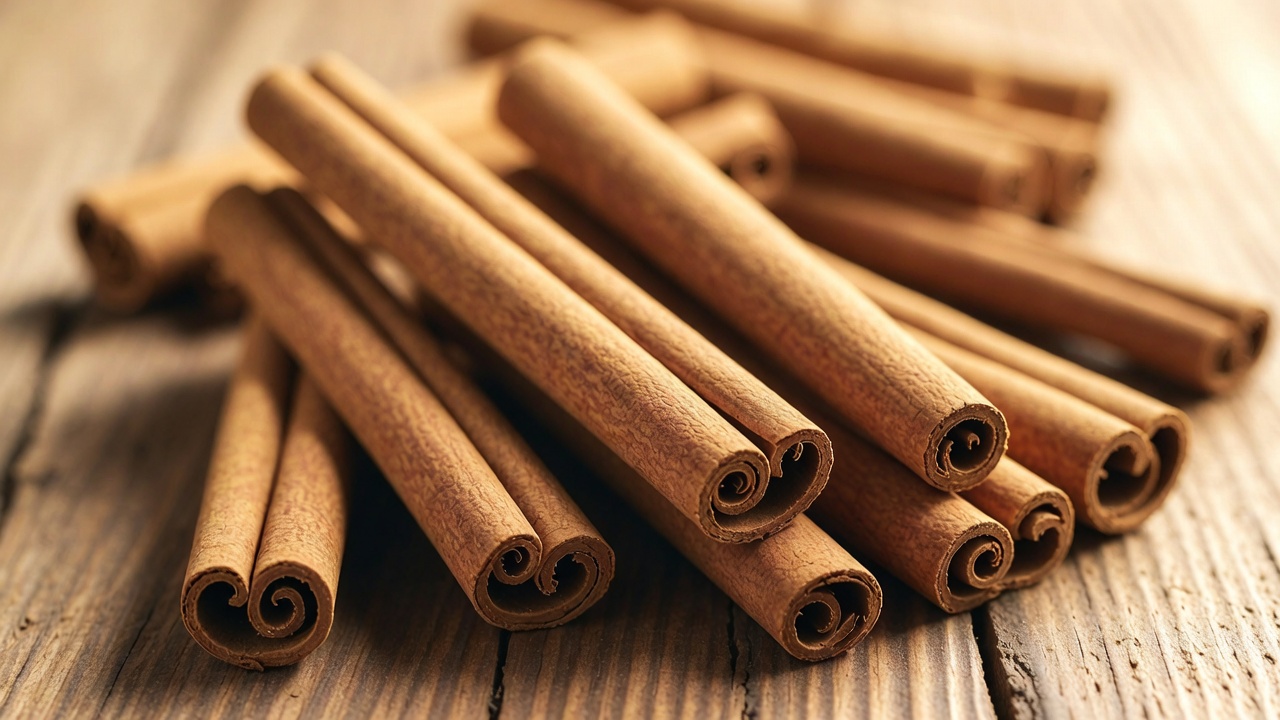
Cinnamon is a staple in kitchens worldwide, sprinkling warmth into everything from morning oatmeal and cozy lattes to festive apple pies, holiday cookies, and even savory curries. But what if the cinnamon you’re using isn’t the “true” variety – and could actually harm your health in larger or regular doses?
Recent concerns, including a 2025 European Union study by the Joint Research Centre highlighting widespread fraud, non-compliance with safety standards, lead contamination, and excessive coumarin levels in many market samples—with over 66% failing quality or safety criteria—have brought renewed attention to this everyday spice.
Alarmingly, up to 9% of products labeled as Ceylon were found to be substituted (fully or partially) with the higher-coumarin Cassia variety, while nearly 30% of samples posed potential risks to children due to elevated coumarin content.
Enter the great debate between Ceylon cinnamon (often called “true cinnamon”) and Cassia cinnamon, the cheaper, bolder type that dominates most supermarket shelves and makes up about 90% of what’s sold in places like the U.S.
This article dives deep into their origins, striking differences in appearance, flavor, and crucially, health implications – including why Ceylon is increasingly recommended as the safer, premium choice for daily use.
Origins and Basics
Cassia cinnamon, scientifically known as Cinnamomum cassia, hails primarily from China, Indonesia, and Vietnam. It’s the dominant variety in the U.S. market, making up about 90% of the cinnamon sold. On the other hand, Ceylon cinnamon (Cinnamomum verum) comes mostly from Sri Lanka (formerly Ceylon) and parts of India. It’s rarer, more expensive, and considered the premium option due to its subtler profile.Both are derived from the inner bark of evergreen trees in the Cinnamomum genus, but their harvesting and processing lead to stark contrasts.
Appearance and Texture: Spot the Difference
One of the easiest ways to tell them apart is by looks. Cassia sticks are thick, single-layered, and have a rough, dark reddish-brown hue. They’re hardy and often sold as “cinnamon sticks” in stores. Ceylon, in contrast, forms delicate, multi-layered quills that are lighter tan-brown, softer, and easier to grind. When ground, both become powdery, but Ceylon’s finer texture shines in baking.
Flavor Profiles: Subtle vs. Bold
Taste is where they really diverge. Cassia packs a punch with its strong, spicy kick, thanks to higher levels of cinnamaldehyde (around 95% of its essential oil). It’s ideal for bold dishes like curries or chili. Ceylon offers a milder, sweeter, more aromatic experience with floral notes, making it perfect for desserts or teas. If you’ve ever found supermarket cinnamon overpowering, switching to Ceylon might be a game-changer.
Health Benefits and Potential Risks
Both types boast antioxidants, anti-inflammatory properties, and potential blood sugar regulation benefits. They may help with digestion, heart health, and even as a natural mosquito repellent (Cassia topically). Preliminary studies suggest Ceylon could aid allergic rhinitis. However, the big red flag is coumarin – a natural compound that’s a blood thinner and potential liver toxin in high amounts. Cassia contains up to 5% coumarin, while Ceylon has just 0.004%. Regular high intake of Cassia (like in supplements or daily large doses) risks liver damage, especially for sensitive individuals. Some European countries limit or ban Cassia for this reason. Ceylon is safer for everyday use.
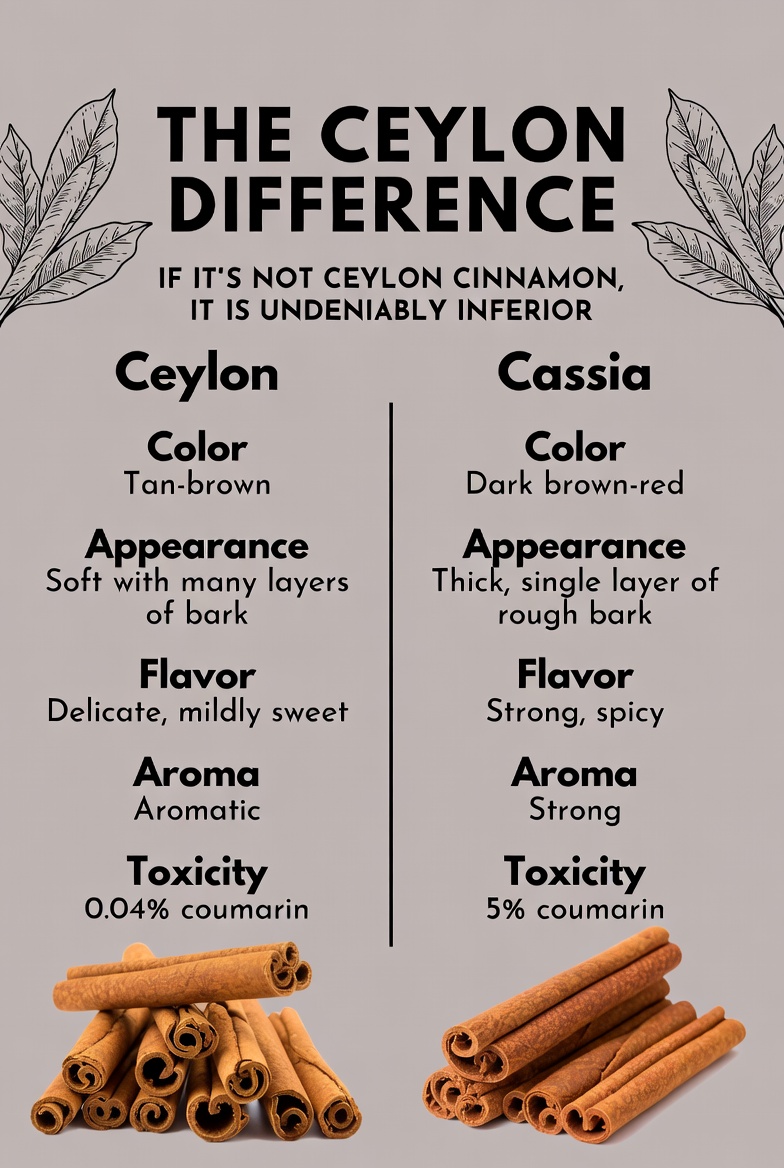
Here’s a quick comparison:
| Aspect | Ceylon Cinnamon | Cassia Cinnamon |
|---|---|---|
| Origin | Sri Lanka, India | China, Indonesia, Vietnam |
| Appearance | Thin, multi-layered, light tan | Thick, single-layered, dark red-brown |
| Flavor | Mild, sweet, delicate | Strong, spicy, pungent |
| Coumarin Level | Very low (0.004%) | High (up to 5%) |
| Price | More expensive | Cheaper and more common |
| Best For | Desserts, teas, daily health use | Bold savory dishes, occasional use |
Which One Should You Choose?
If you’re using cinnamon sparingly in cooking, Cassia is fine and budget-friendly. But for frequent consumption, supplements, or health-focused routines, opt for Ceylon to avoid coumarin risks. Look for labels specifying “Ceylon” or “true cinnamon” – don’t be fooled by generic “cinnamon” that defaults to Cassia.In the end, while both add that cozy spice to life, Ceylon emerges as the healthier, more refined choice. Next time you reach for the shaker, consider upgrading – your liver might thank you.
 Synthetic “forever chemical” linked to liver cancer
 Researchers unravel how stevia controls blood sugar levels
 Have more than eight dental fillings? It could increase the mercury levels in your blood
 Higher levels of omega-3 acids in the blood increases life expectancy by almost five years