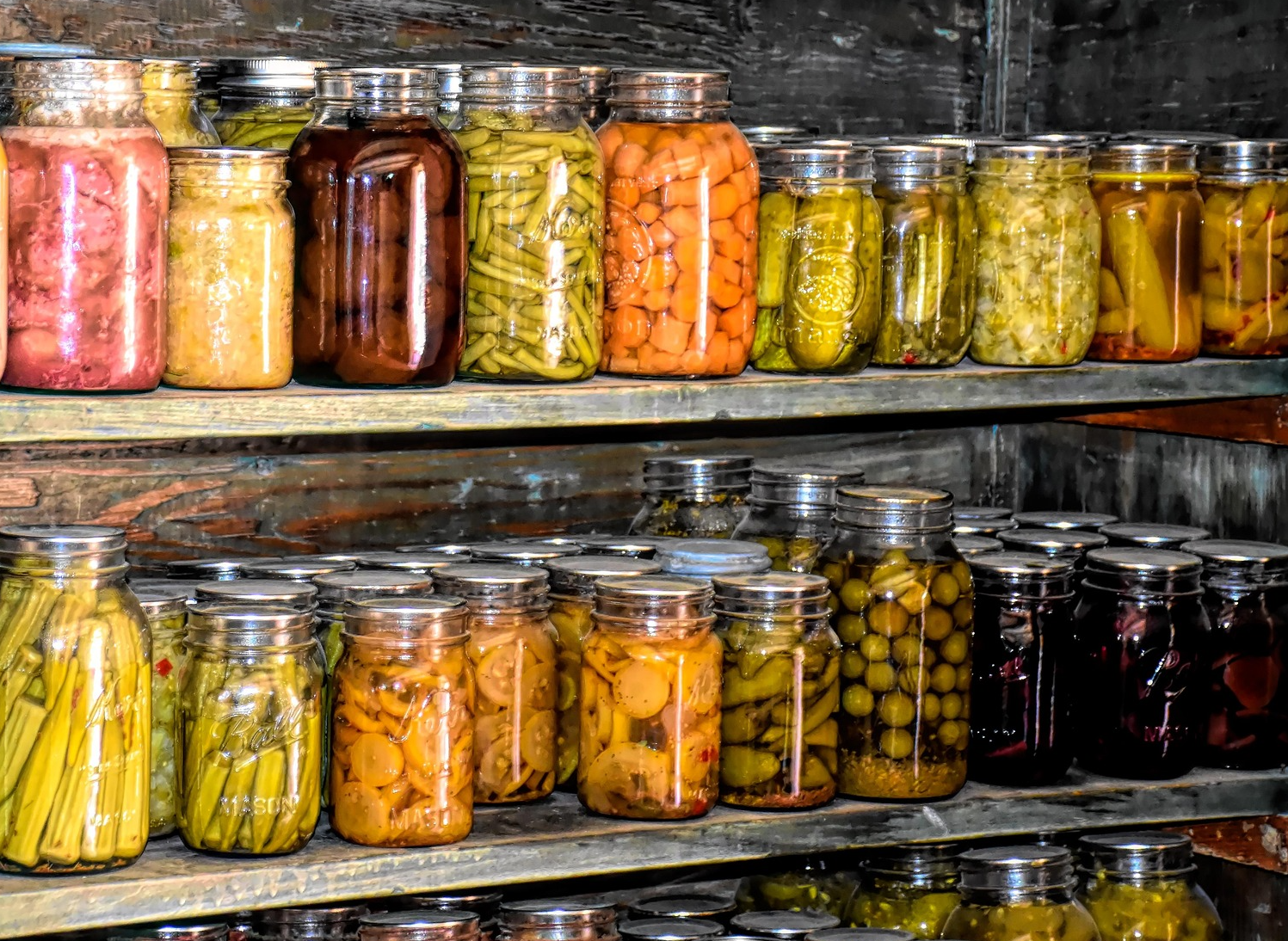
Building a fully organic pantry on a budget is an achievable goal for beginners. Going organic means choosing foods grown without synthetic pesticides, GMOs, or certain additives, which can support healthier eating and environmental sustainability. The key is to prioritize smart shopping, focus on versatile staples, and build gradually rather than overhauling everything at once.
Many people assume organic equals expensive, but with strategic choices—like buying in bulk, choosing store brands, shopping sales, prioritizing high-impact items (e.g., the “Dirty Dozen” list from the Environmental Working Group), and opting for dried or frozen options—you can keep costs down. Stores like Aldi, Trader Joe’s, Sprouts, or Thrive Market often offer affordable organic lines, and buying in season or from bulk bins helps stretch your dollar.
Step 1: Start Smart – Prep and Prioritize
Before stocking up:
- Clear out expired or unused items to make space and assess what you already have.
- Organize shelves by category (grains, legumes, oils, etc.) for easy access and inventory.
- Set a realistic budget—start with $50–$100 to build basics, then add gradually.
- Focus on multi-use items that form the foundation of meals (e.g., rice + beans + spices = endless dinners).
Prioritize organic for items like grains, beans, and oils where conventional versions may have more processing concerns, while being flexible on low-pesticide produce if needed.
Essential Organic Pantry Staples for Beginners
Here’s a beginner-friendly list of must-haves. These are affordable, long-lasting, and versatile for everyday cooking.
Grains and Pseudograins
- Brown rice or white rice (organic bulk bins are often cheap and store indefinitely).
- Oats (rolled or steel-cut for breakfasts, baking, or thickening soups).
- Quinoa (a complete protein that’s quick-cooking and versatile).
Legumes
- Dried lentils (red or green—fast-cooking and protein-packed).
- Dried beans (black, pinto, chickpeas—buy dry in bulk for the best savings; canned organic versions work for convenience).
Nuts and Seeds
- Almonds or peanuts (for snacking, butter, or adding crunch).
- Chia or flax seeds (for smoothies, puddings, or egg substitutes).
Oils and Fats
- Extra-virgin olive oil (for dressings and low-heat cooking).
- Coconut oil or avocado oil (for higher-heat uses).
Canned and Jarred Goods
- Organic canned tomatoes (diced, crushed, or sauce base for soups, chilis, and pasta).
- Organic beans or veggies (corn, peas) for quick meals.
Baking and Sweeteners
- Whole wheat or all-purpose flour (organic if possible).
- Honey or maple syrup (natural sweeteners).
Spices and Seasonings
- Basics like salt, pepper, garlic powder, cumin, chili powder, oregano, and cinnamon (organic spices are often affordable in small jars or bulk).
Other Essentials
- Nut butters (organic peanut or almond butter).
- Apple cider vinegar (for dressings and cooking).
Adding Sauces – Flavor Boosters on a Budget
Sauces transform simple staples into delicious meals, but many commercial options are pricey or laden with additives. Focus on organic versions with clean ingredients, and hunt for deals at discount grocers, Thrive Market, or store brands. Here are budget-friendly, pantry-stable organic sauce recommendations to credit (include these for quick flavor):
- Organic marinara or tomato pasta sauce (brands like Cucina Antica, Organico Bello, or 365 Whole Foods Market—no added sugar, simple ingredients like tomatoes, olive oil, basil, and garlic; great for pasta, pizza, or casseroles).
- Organic BBQ sauce (Date Lady or Primal Kitchen—sweetened naturally with dates or low-sugar, no high-fructose corn syrup; perfect for grilling or dips).
- Organic soy sauce alternative (coconut aminos—lower sodium, organic, and soy-free; use in stir-fries or marinades).
- Organic hot sauce or sriracha-style (look for affordable brands with simple peppers, vinegar, and salt).
- Organic dressings or vinaigrettes (Primal Kitchen or Tessemae’s—avocado oil-based for clean fats; double as marinades).
Start with 2–3 sauces and buy during sales or smaller sizes to test. Many are shelf-stable until opened, making them ideal pantry additions.
Tips to Keep It Budget-Friendly
- Buy in bulk — Grains, legumes, nuts, and spices from bulk bins (at co-ops or stores like Sprouts) cut costs dramatically.
- Shop sales and store brands — Look for organic deals at Aldi, Lidl, or Trader Joe’s; use apps for coupons.
- Go frozen or canned — Organic frozen fruits/veggies or canned goods are often cheaper and just as nutritious.
- Cook from scratch — Homemade versions (e.g., simple tomato sauce from canned tomatoes) save money over pre-made.
- Prioritize — Splurge on organic for the Dirty Dozen (e.g., strawberries, spinach), but conventional Clean 15 (e.g., avocados, onions) is fine to save cash.
- Buy seasonal and local — Farmers’ markets or CSAs offer deals on organic produce.
- Build gradually — Add a few items per shopping trip to avoid overwhelm.
With these essentials, your pantry will support quick, healthy, organic meals like stir-fries, soups, salads, and grain bowls. Over time, you’ll save money by reducing processed food purchases and eating more home-cooked meals. Start small, stay consistent, and enjoy the benefits of a cleaner, more intentional kitchen!
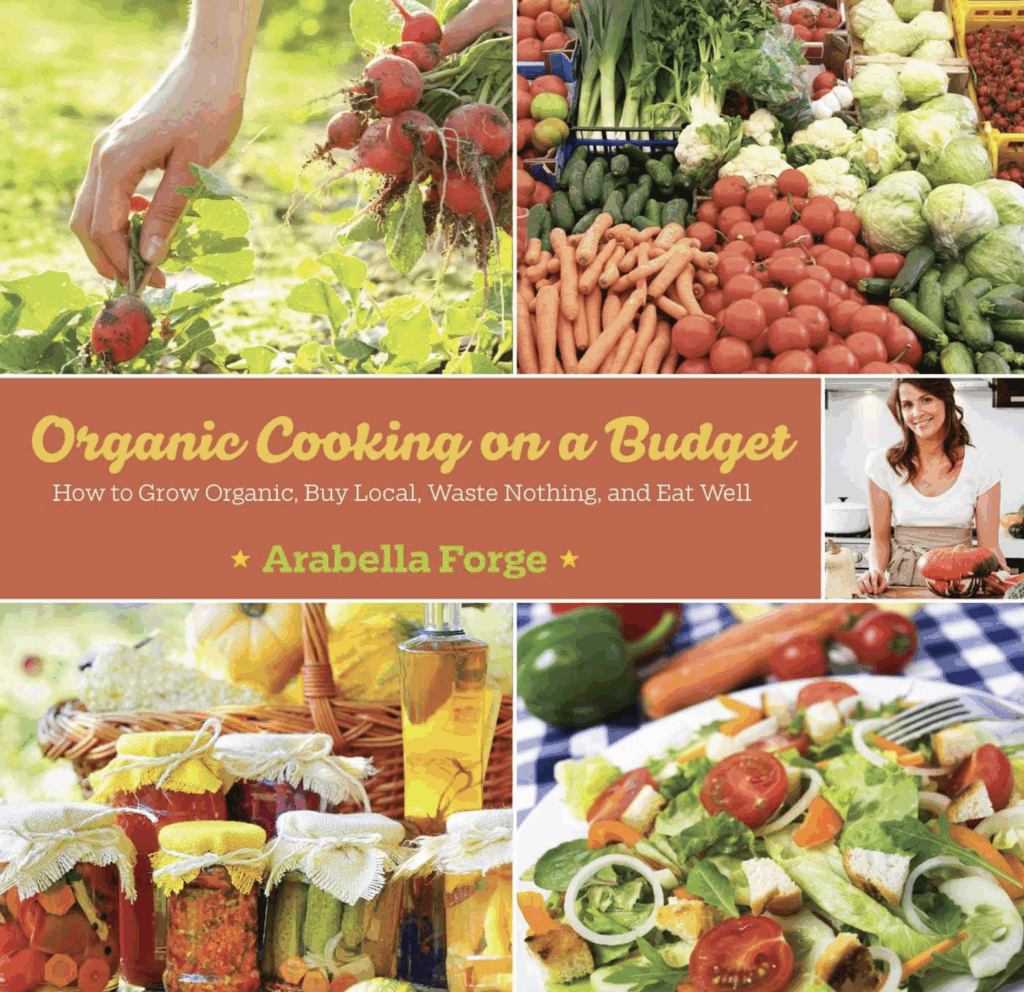
A great book to complement the article “How to Build a Fully Organic Pantry on a Budget: Essentials for Beginners” would be one that dives deeper into practical, affordable strategies for stocking clean, organic (or natural/whole-food) staples, making homemade alternatives, reducing waste, and cooking from scratch—while keeping costs low for beginners. You can find it on Amazon here, click on picture:
 Teflon Pans: Understanding PFAS Concerns and How to Cook Safer
 Blood Sugar Stability the Organic Way: Low-Glycemic Foods and Meal Ideas
 The Truth About Ultra-Processed Foods: Why Going Organic Makes a Difference
 10 Nutrient-Dense Organic Foods to Boost Your Energy Without Caffeine