Your gut is home to trillions of microorganisms that play a crucial role in digestion, immune function, nutrient absorption, and even mood regulation. Among the key players in maintaining this microbiome are prebiotics and probiotics.
Probiotics are live beneficial bacteria found in certain foods, particularly fermented ones, that can help populate your gut with good microbes. Prebiotics, on the other hand, are non-digestible fibers that serve as food for those beneficial bacteria, helping them thrive.
Combining both—often called synbiotics when paired—creates a powerful duo for better digestion, reduced bloating, improved regularity, and overall gut resilience. Opting for organic versions minimizes exposure to pesticides and supports cleaner, more nutrient-dense sources.
A growing body of research highlights how a balanced gut microbiome influences far more than just digestion—it can impact mental health through the gut-brain axis, strengthen immune defenses against pathogens, and even play a role in weight management and inflammation control. Prioritizing organic prebiotic and probiotic foods ensures you’re nourishing this complex ecosystem with high-quality, minimally processed ingredients free from synthetic additives.
Here are some of the best organic prebiotic and probiotic foods to incorporate into your diet.
Top Organic Probiotic Foods (Live Beneficial Bacteria Sources)
These fermented foods naturally contain live cultures that support digestion when consumed regularly. Look for raw or unpasteurized options labeled with “live and active cultures” for maximum benefit.
- Organic Yogurt — A classic choice made from fermented milk (or plant-based alternatives like coconut or almond for dairy-free). Rich in strains like Lactobacillus and Bifidobacterium, it aids lactose digestion and promotes gut balance. Choose plain, organic varieties from grass-fed sources with no added sugars.
- Organic Kefir — This tangy, drinkable fermented milk (or water-based versions) packs even more diverse probiotic strains than yogurt, often including beneficial yeasts. It’s excellent for gut motility and may reduce inflammation.
- Organic Sauerkraut — Fermented cabbage that’s crunchy, tangy, and loaded with lactic acid bacteria. Raw, unpasteurized versions deliver live probiotics plus fiber and vitamin C for immune support.
- Organic Kimchi — A spicy Korean fermented vegetable dish (usually cabbage-based) teeming with probiotics. It supports digestion, may help with cholesterol levels, and adds bold flavor to meals.
- Organic Kombucha — Fermented tea with a fizzy profile from live cultures and yeast. Opt for low-sugar, organic brands to enjoy its probiotic boost without excess sweetness.
Other notables include organic miso (fermented soybean paste for soups), tempeh (fermented soy cake), and raw pickles (naturally fermented, not vinegar-based).
Top Organic Prebiotic Foods (Fiber-Rich Fuel for Gut Bacteria)
These plant-based foods provide fibers like inulin, FOS (fructooligosaccharides), and resistant starch that nourish your existing good bacteria.
- Organic Garlic — One of the highest prebiotic sources, packed with inulin and FOS. Add it raw or lightly cooked to meals for maximum benefit—it also offers antimicrobial properties.
- Organic Onions — Extremely rich in prebiotic fibers, especially raw or in salads. They promote short-chain fatty acid production for colon health.
- Organic Leeks and Asparagus — Both loaded with inulin. Roast or steam them as sides; they’re nutrient-dense and support fat breakdown.
- Organic Jerusalem Artichokes (Sunchokes) and Chicory Root — Top-tier prebiotic powerhouses with high inulin content. Use Jerusalem artichokes roasted or in soups.
- Organic Bananas (slightly underripe), Apples, and Oats — Bananas and apples provide resistant starch and pectin; whole organic oats deliver beta-glucan for sustained gut feeding and cholesterol support.
Additional strong options: organic dandelion greens, barley, flaxseeds, and walnuts.
How to Combine Them for Maximum Gut BenefitsTo supercharge digestion, pair prebiotics and probiotics in meals:
- Add organic sauerkraut or kimchi to a salad with onions, garlic, and asparagus.
- Enjoy organic kefir or yogurt topped with sliced bananas and a sprinkle of oats.
- Stir organic miso into a soup with leeks and Jerusalem artichokes.
Start slowly if you’re new to these foods—increase portions gradually to avoid temporary gas or bloating as your microbiome adjusts.
Final Tips for Better Digestion
Aim for variety: A diverse diet feeds a diverse microbiome. Stay hydrated, manage stress, and get regular movement—these amplify gut health benefits. While these organic foods are powerful allies, consult a healthcare professional if you have conditions like IBS or are on antibiotics.
By making these gut health heroes a regular part of your plate, you’re investing in smoother digestion, stronger immunity, and vibrant well-being from the inside out. Your microbiome will thank you!
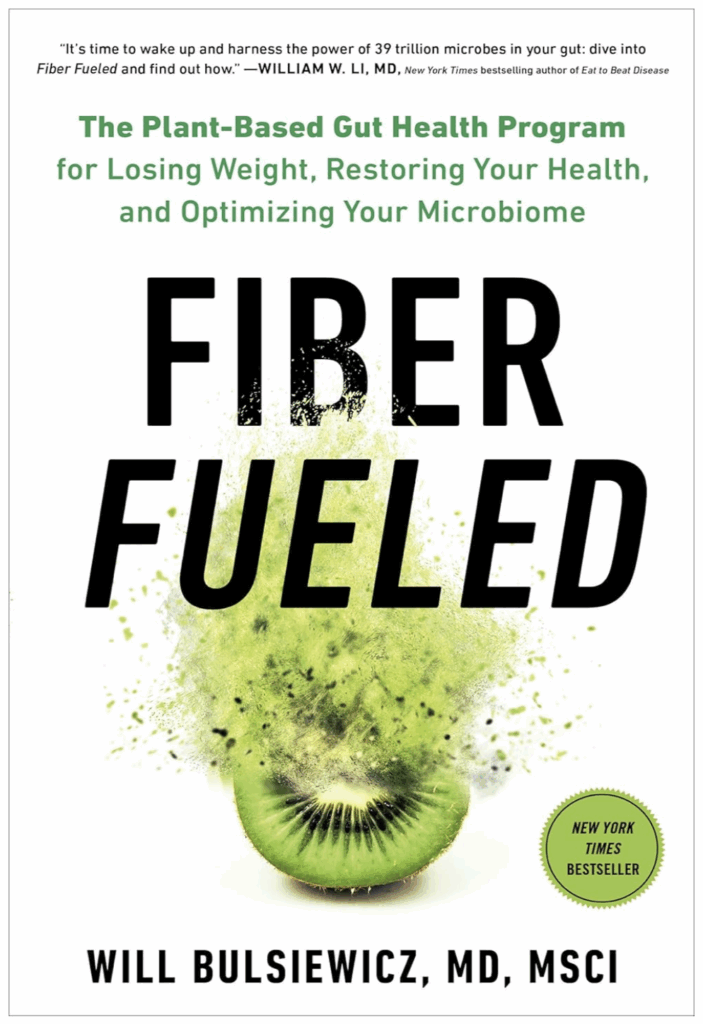
This New York Times bestseller is an excellent companion because it centers on prebiotic fibers from diverse plants—the exact “fuel” for beneficial bacteria highlighted in the article. Dr. B (a gastroenterologist) explains how ramping up fiber intake rebuilds microbiome diversity, reduces inflammation, and supports digestion. It includes a 4-week jumpstart plan, menus, and over 65 recipes that align perfectly with incorporating organic onions, garlic, asparagus, oats, and more. You can find it on Amazon here, click on picture:
 What makes brown rice healthy? Decoding the chemistry of its nutritional wealth
 Meat Consumption is Positively Associated with Life Expectancy
 Immune-boosting role of vitamins D, C, E, zinc, selenium and omega-3 fatty acids: Could they help against COVID-19?
 Probiotic-containing yogurt protects against microbiome changes that lead to antibiotic-induced diarrhea