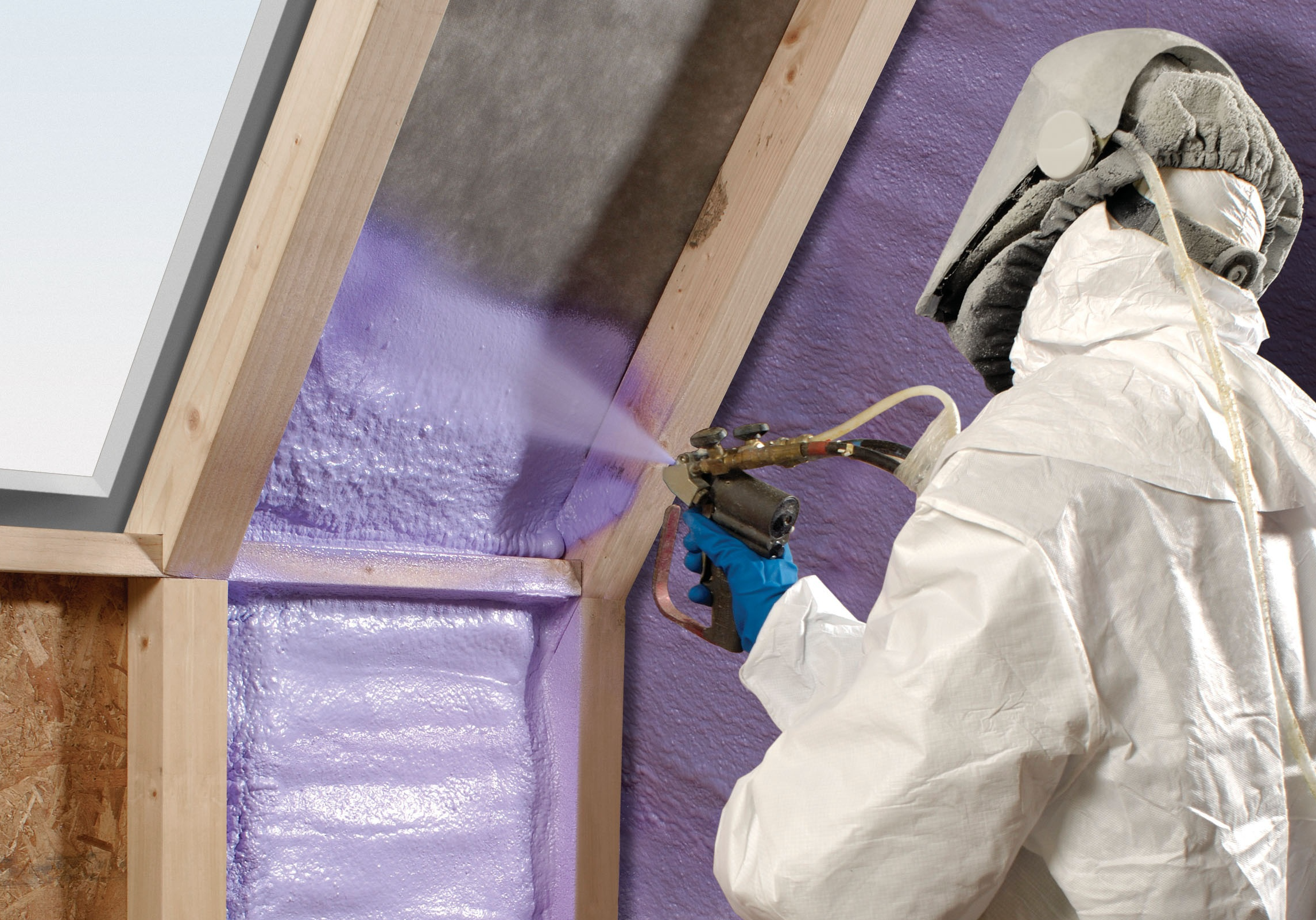
In the quest for energy-efficient homes, spray foam insulation has surged in popularity, promising airtight seals and lower utility bills. But lurking beneath those fluffy white layers in your attic rafters could be a cocktail of chemicals raising serious health alarms. Is this modern marvel silently endangering your family’s well-being? Recent studies and EPA warnings suggest it’s not as harmless as it seems—especially when it comes to potential cancer risks. Let’s dive into the facts, myths, and what you need to know before sealing your home.
In the push for greener, more energy-efficient homes, spray foam insulation has become a go-to solution for many homeowners. Applied directly to rafters in attics and roof decks, it creates a seamless, high-performance barrier that seals air leaks and boosts R-values dramatically—often slashing heating and cooling costs by 30-50%. As energy codes tighten and utility bills rise, contractors promote it as a modern upgrade: quick to install, long-lasting, and superior to traditional options like fiberglass or cellulose.
Yet this popularity comes with growing scrutiny. Reports of lingering chemical odors, respiratory issues, skin irritation, and chronic health complaints have surged in recent years, even in properly installed homes. Homeowners describe “sick building” symptoms—headaches, fatigue, asthma-like attacks—that persist long after the foam cures. Some cases have escalated to lawsuits alleging misleading safety claims, with plaintiffs linking prolonged exposure to serious conditions, including potential cancer risks from off-gassing compounds. Regulatory bodies like the EPA continue to highlight hazards from key ingredients, particularly during application, while newer 2025-2026 guidance and state actions (such as California’s DTSC requirements for MDI warnings) underscore ongoing concerns about unreacted chemicals and worker/occupant safety.
These worries aren’t just anecdotal. While major agencies stop short of labeling cured spray foam a proven carcinogen for typical homeowner exposure, additives like certain flame retardants (e.g., TCPP or organophosphates) and trace byproducts raise flags in scientific studies. In fires or when foam is disturbed (during renovations or cutting), toxic releases—including hydrogen cyanide—amplify dangers. As more data emerges and complaints accumulate, the debate intensifies: Is spray foam’s energy-saving promise worth the potential long-term health trade-offs?
What Is Spray Foam Insulation?
Spray polyurethane foam (SPF) is a two-part chemical mixture applied via a spray gun, expanding to fill gaps in walls, attics, and roofs. It’s prized for its high R-value (insulation efficiency) and ability to create an air barrier, reducing energy loss by up to 50%. Commonly used in house rafters, it hardens into a rigid or semi-rigid foam that can last decades.But the magic happens through a reaction between isocyanates (like MDI) and polyols, often with additives like flame retardants and catalysts. While effective, this chemistry introduces health concerns, particularly during installation and if not properly cured.
The Health Risks: Beyond the Hype
The primary worry stems from isocyanates, which the EPA identifies as potent irritants causing skin, eye, and lung issues, asthma, and chemical sensitization. Sensitization means even tiny future exposures can trigger severe reactions, including life-threatening asthma attacks. There’s no safe exposure level for sensitized individuals, and prolonged contact can lead to permanent lung damage.But does it cause cancer? The evidence is nuanced. Isocyanates themselves aren’t classified as carcinogens by agencies like the IARC or EPA. However, off-gassing from improper installation can release volatile organic compounds (VOCs), formaldehyde (a known carcinogen), and other toxins. Flame retardants like TCPP, found in high concentrations in SPF (up to 9% in open-cell foam), increase cell toxicity and may affect fetal development. Similar compounds, such as TDCPP, are listed as carcinogens under California’s Proposition 65. Workers exposed to these show elevated urinary biomarkers, far above general population levels, hinting at broader risks.Anecdotal reports and lawsuits link spray foam to cancers like leukemia and lung cancer, often blaming off-gassing or botched applications. In fires, degrading foam can release hydrogen cyanide and other deadly fumes, amplifying dangers. Even cured foam, if disturbed (e.g., during renovations), can pose risks.On the flip side, properly installed and fully cured foam (typically 24-72 hours) is deemed safe by many experts, with minimal ongoing off-gassing. The EPA focuses on installation hazards, not long-term cancer in occupants, but urges caution for DIYers and those with pre-existing conditions.
Pros and Cons at a Glance
| Aspect | Pros | Cons |
|---|---|---|
| Efficiency | Superior air sealing, reduces energy bills | High upfront cost |
| Durability | Long-lasting, mold-resistant | Difficult to remove if needed |
| Health | No issues if cured properly | Potential VOC off-gassing, asthma triggers, possible carcinogen links via additives |
| Environment | Energy savings lower carbon footprint | Chemicals may be persistent and bioaccumulative |
Who’s at Risk and How to Stay Safe
Installers face the highest exposure—hence the hazmat suits and respirators. Homeowners should evacuate during application and wait the full cure time. If you notice persistent odors or symptoms like headaches, coughing, or skin irritation, test indoor air quality immediately.For new installs, opt for low-VOC formulas and certified professionals. Consider alternatives like fiberglass, cellulose, or mineral wool, which avoid these chemical concerns entirely.
The Bottom Line
While spray foam isn’t outright labeled a cancer-causer, its components raise red flags—especially formaldehyde, flame retardants, and isocyanates. With rising complaints and EPA scrutiny, it’s wise to weigh the benefits against potential long-term health gambles. If your home has spray foam in the rafters, monitor for issues and consult experts. Energy efficiency shouldn’t come at the cost of your health.
Organic Alternatives: Safe & Sustainable for Walls & Attics
If you’re looking to avoid synthetic or chemical-heavy options like traditional spray foam, several organic and natural insulation materials provide excellent alternatives for walls and attics. These are derived from renewable, plant-based, or animal sources (or recycled organics), offering good thermal performance, often better indoor air quality, and lower environmental impact compared to petroleum-based products.The most popular and effective organic choices include cellulose (from recycled paper), sheep’s wool, cork, hemp, and sometimes cotton/denim or wood fiber. They vary in cost, installation method, moisture handling, and availability, but all prioritize sustainability without the potential off-gassing concerns of polyurethane foams.
Top Organic Insulation Options for Walls and Attics
1. Cellulose Insulation
Made primarily from recycled newspaper or cardboard (often 75-85% post-consumer content), treated with non-toxic borates for fire, mold, and pest resistance.
- Best for: Attics (loose-fill blown-in) and walls (dense-pack or batts). It’s highly effective at filling irregular spaces and reducing air leaks.
- R-value: Typically R-3.6 to R-3.8 per inch.
- Pros: Affordable, widely available, excellent soundproofing, low embodied energy, and carbon-sequestering via recycling. Great for retrofits.
- Cons: Can settle if not densely packed; sensitive to prolonged moisture (avoid in very damp areas without proper vapor control).
- Why organic/natural?: Plant-based recycled material with minimal processing.
2. Sheep’s Wool Insulation
Sourced from sheep fleece, often formed into batts or rolls (sometimes with a small polyester binder for structure).
- Best for: Walls, attics, and floors in batt form; excellent for breathable, older homes.
- R-value: R-3.5 to R-4.3 per inch (higher in denser forms).
- Pros: Naturally regulates humidity (absorbs/releases moisture without losing performance), fire-resistant, mold/pest-resistant, improves indoor air quality by absorbing pollutants like formaldehyde, and biodegradable. No itching during install.
- Cons: More expensive than cellulose; availability varies (brands like Havelock Wool or Oregon Shepherd are popular).
- Why organic/natural?: 100% renewable animal fiber, often minimally processed.
3. Cork Insulation
Harvested from the bark of cork oak trees (renewable, as trees aren’t cut down—bark regrows). Available as boards, granules, or batts.
- Best for: Walls (especially exterior or basements) and attics where moisture resistance matters; great for sound dampening.
- R-value: R-3.6 to R-4.2 per inch.
- Pros: Naturally antimicrobial, fire-resistant, excellent moisture management (absorbs up to 35% of its weight without degrading), carbon sink (continues absorbing CO2 post-install), recyclable, and durable.
- Cons: Higher cost; heavier; less common in some regions.
- Why organic/natural?: Pure plant-derived, no chemicals needed for many properties.
4. Hemp Insulation
Made from hemp plant fibers (often batts or boards; sometimes hempcrete for walls).
- Best for: Walls and attics in new or retrofit builds seeking high sustainability.
- R-value: Around R-3.5 to R-3.7 per inch.
- Pros: Fast-growing renewable crop, sequesters significant carbon, breathable, mold-resistant, good acoustic performance, and low embodied energy.
- Cons: Can be pricier and less widely available (though growing in popularity); may need protection in very wet climates.
- Why organic/natural?: Plant-based, often with minimal binders.
Other mentions include recycled cotton/denim (similar to cellulose, R-3.5+ per inch, great for batts in walls/attics) and emerging options like grass-based or wood fiber panels (excellent for eco-credentials but sometimes harder to source).
Quick Comparison Table
| Material | R-Value per Inch | Cost Level | Moisture Handling | Best Applications | Key Eco Benefit |
|---|---|---|---|---|---|
| Cellulose | 3.6–3.8 | Low | Moderate | Attics (blown), walls | Recycled, low waste |
| Sheep’s Wool | 3.5–4.3 | Medium-High | Excellent (breathable) | Walls, attics, floors | Renewable, air-purifying |
| Cork | 3.6–4.2 | High | Excellent | Walls, attics (moist areas) | Renewable harvest, carbon sink |
| Hemp | 3.5–3.7 | Medium-High | Good | Walls, attics | High carbon sequestration |
For most homeowners, cellulose is the practical starting point—it’s cost-effective, performs well in attics (where loose-fill excels), and is easy to install professionally. If you prioritize breathability and health (e.g., for allergies or older homes), go with sheep’s wool or hemp. Cork shines in humid regions.
Always consult a professional installer for your climate, building codes, and specific needs (e.g., ventilation to prevent moisture issues). These options generally avoid the isocyanate and VOC concerns tied to spray foams, making them safer for long-term indoor use while being truly organic and planet-friendly.
In the end, spray foam insulation offers strong energy benefits but carries potential health risks from chemicals and off-gassing, making it worth reconsidering. Organic alternatives like cellulose, sheep’s wool, cork, and hemp deliver comparable performance—plus better air quality, moisture control, and sustainability—without the toxins. Choosing natural options protects your family’s health and the planet, proving that effective insulation doesn’t have to come with compromise.
 Ozempic’s Hidden Horror: Is This ‘Miracle’ Weight-Loss Shot Silently Paralyzing Your Gut, Stealing Your Sight, and Raising Cancer Risks?
 Shocking Glyphosate Levels in Popular Bread: Florida’s Eye-Opening Food Testing Report
 Neem Oil: Your Natural Shield for Thriving Indoor Plants – A Complete Guide to Pest Protection
 Compound in Mediterranean diet makes cancer cells ‘mortal’