
Hormonal balance is foundational to women’s overall health, influencing everything from menstrual cycles and fertility to mood, energy, metabolism, and long-term well-being. Key hormones like estrogen and progesterone fluctuate throughout the menstrual cycle, while insulin, cortisol, and thyroid hormones also play critical roles. Imbalances can arise from various factors, including stress, poor sleep, and environmental exposures, often manifesting as symptoms such as irregular periods, PMS, fatigue, mood swings, weight changes, or conditions like PCOS and menopausal discomfort.
During perimenopause and menopause, declining estrogen and progesterone levels can further disrupt these patterns, increasing risks for issues like insulin resistance, inflammation, and cardiovascular concerns. Fortunately, diet offers a powerful, accessible way to support the body’s natural hormone production, metabolism, and detoxification processes.
A nutrient-dense, whole-foods approach emphasizes foods that provide building blocks for hormone synthesis (such as healthy fats), promote stable blood sugar to regulate insulin (via fiber and complex carbs), aid liver and gut function for proper estrogen clearance (through cruciferous vegetables and fiber), and reduce inflammation (with omega-3s and antioxidants).
Choosing organic ingredients is particularly beneficial, as conventional produce and processed foods often contain pesticide residues and endocrine-disrupting chemicals (EDCs) that can mimic or interfere with natural hormones, potentially exacerbating imbalances. By minimizing exposure to these disruptors and prioritizing anti-inflammatory, phytoestrogen-rich, and nutrient-packed foods, women can help foster more stable hormones naturally—leading to improved energy, mood regulation, cycle regularity, and resilience during hormonal transitions.
Women’s hormones—estrogen, progesterone, cortisol, insulin, and thyroid hormones—play a central role in energy levels, mood, menstrual regularity, fertility, weight management, and overall well-being. Imbalances can show up as PMS, irregular cycles, fatigue, mood swings, PCOS symptoms, perimenopausal changes, or menopausal discomfort.
While no food is a miracle cure, a diet rich in organic, nutrient-dense whole foods can provide key building blocks: healthy fats for hormone production, fiber for estrogen detoxification and blood sugar stability, antioxidants to reduce inflammation, and minerals like magnesium, zinc, and selenium for thyroid and stress regulation.
Prioritize organic versions whenever possible to minimize exposure to endocrine-disrupting pesticides and chemicals. Focus on:
- Cruciferous vegetables (broccoli, kale, cauliflower) for estrogen metabolism support
- Seeds (flax, pumpkin, chia) for lignans and zinc
- Healthy fats (avocados, nuts, olive oil, fatty fish if not vegan)
- Fiber-rich foods (berries, leafy greens, legumes)
- Anti-inflammatory spices (turmeric, cinnamon)
- Protein sources (eggs, lentils, chickpeas, quinoa)
Here are five easy, delicious organic recipes to incorporate into your weekly routine. Each serves 2–4 and uses simple ingredients.
1. Hormone-Harmonizing Green Smoothie (Breakfast or Snack)
This smoothie delivers fiber, lignans from flax, healthy fats, and cruciferous compounds for estrogen balance and gut support.
Ingredients:
- 1 cup organic kale or spinach
- ½ organic avocado
- 1 cup organic mixed berries (fresh or frozen)
- 1 tbsp ground organic flaxseeds
- 1 cup unsweetened organic almond milk or oat milk
- ½ banana (for natural sweetness)
- Optional: 1 tsp organic cinnamon or a handful of organic pumpkin seeds
Instructions:
- Add all ingredients to a blender.
- Blend until smooth, adding more liquid if needed.
- Serve immediately.
Why it helps: Flaxseeds provide lignans that support estrogen balance (especially helpful for PCOS or estrogen dominance), while berries offer antioxidants and fiber to stabilize blood sugar.
2. Seed-Crusted Salmon with Broccoli (Lunch or Dinner)
Omega-3s from salmon reduce inflammation, while broccoli aids liver detox of excess hormones.
Ingredients:
- 2 organic wild-caught salmon fillets (about 4–6 oz each)
- 1 tbsp organic olive oil
- 1 tbsp mixed organic ground seeds (flax + pumpkin)
- 1 head organic broccoli, cut into florets
- Juice of ½ organic lemon
- Sea salt and black pepper to taste
Instructions:
- Preheat oven to 400°F (200°C).
- Rub salmon with olive oil, sprinkle with seed mixture, salt, and pepper.
- Place on a baking sheet; roast 12–15 minutes.
- Steam or roast broccoli alongside until tender-crisp.
- Squeeze lemon over everything before serving.
Why it helps: Omega-3 fatty acids combat inflammation linked to hormonal issues, and broccoli’s compounds (like I3C) support healthy estrogen metabolism.
3. Quinoa Power Bowl with Avocado and Chickpeas (Vegan Lunch)
A balanced macro bowl with protein, fiber, and healthy fats to prevent insulin spikes.
Ingredients:
- 1 cup cooked organic quinoa
- 1 can organic chickpeas, rinsed and drained
- 1 organic avocado, sliced
- 2 cups organic mixed greens or arugula
- 1 cup chopped organic cucumber and cherry tomatoes
- 1 tbsp organic tahini
- Juice of 1 organic lemon
- Optional: sprinkle of organic pumpkin seeds
Instructions:
- In bowls, layer quinoa, chickpeas, greens, veggies, and avocado.
- Whisk tahini with lemon juice and a little water for dressing; drizzle over top.
- Top with extra seeds if desired.
Why it helps: Quinoa and chickpeas provide plant protein and fiber for blood sugar stability, while avocado supplies monounsaturated fats essential for hormone synthesis.
4. Turmeric Golden Oatmeal (Comforting Breakfast)
Anti-inflammatory and blood-sugar-friendly start to the day.
Ingredients:
- 1 cup organic rolled oats
- 2 cups organic plant milk (almond or coconut)
- 1 tsp organic ground turmeric
- ½ tsp organic cinnamon
- 1 tbsp organic chia seeds
- Optional toppings: organic berries, walnuts, a drizzle of organic maple syrup
Instructions:
- In a pot, combine oats, milk, turmeric, cinnamon, and chia.
- Cook over medium heat, stirring, for 5–8 minutes until creamy.
- Serve with toppings.
Why it helps: Turmeric’s curcumin reduces inflammation, cinnamon aids insulin sensitivity, and chia adds omega-3s and fiber.
5. Berry-Chia Seed Pudding (Dessert or Snack)
A satisfying, low-sugar treat rich in antioxidants and omega-3s.
Ingredients:
- ¼ cup organic chia seeds
- 1 cup organic coconut milk or almond milk
- 1 cup organic mixed berries (mashed or blended)
- ½ tsp organic vanilla extract
- Optional: handful of organic walnuts or pumpkin seeds
Instructions:
- Mix chia seeds with milk and vanilla; stir well.
- Let sit 10 minutes, stir again to prevent clumping, then refrigerate 2–4 hours (or overnight).
- Top with mashed berries and nuts before serving.
Why it helps: Chia seeds deliver plant-based omega-3s and fiber, berries fight oxidative stress, supporting overall hormonal harmony.
Final Tips for Success
- Eat regularly to avoid blood sugar rollercoasters that stress hormones.
- Stay hydrated and include fermented foods (like sauerkraut or kimchi) for gut health, as the microbiome influences estrogen metabolism.
- Choose organic to reduce pesticide load, which can act as endocrine disruptors.
- Pair these meals with movement, stress management, and good sleep for the best results.
Incorporating these simple organic meals consistently can help nourish your body and promote more stable hormones. Listen to your body, adjust portions as needed, and consult a healthcare provider for personalized advice, especially if dealing with conditions like PCOS, thyroid issues, or menopause. Small, flavorful changes add up to big improvements in how you feel every day.
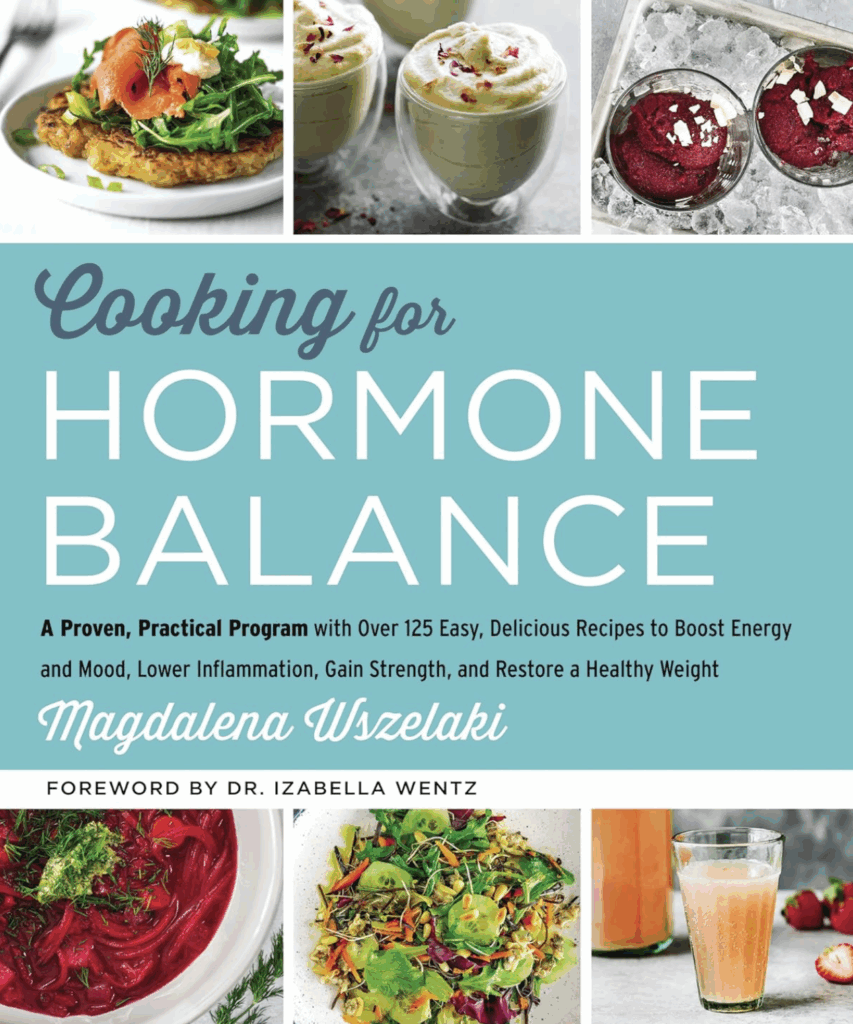
This highly regarded book, written by an integrative hormone and nutrition expert who overcame her own thyroid and adrenal issues through food, focuses on using real, anti-inflammatory meals as “medicine” to restore hormonal harmony. It features more than 125 gluten-free, dairy-free, soy-free, corn-free, nightshade-free, and low-sugar recipes that emphasize whole foods—many organic-friendly—with an emphasis on reducing inflammation, supporting gut health, and providing key nutrients for estrogen/progesterone balance, thyroid function, and adrenal recovery. You can find it on Amazon here, click on picture:
 The 10-Minute Habit That Science Says Beats Sitting After Meals
 Blood Sugar Stability the Organic Way: Low-Glycemic Foods and Meal Ideas
 10 Nutrient-Dense Organic Foods to Boost Your Energy Without Caffeine
 Endocrine-disrupting chemicals found in menstrual products