In today’s fast-paced world, many people experience energy rollercoasters—sudden bursts of alertness followed by crashes of fatigue, irritability, or intense cravings. These ups and downs often stem from unstable blood sugar levels, where glucose in the bloodstream spikes sharply after meals and then plummets.
Unstable blood sugar isn’t just uncomfortable; it can lead to chronic issues like insulin resistance, weight gain, mood swings, brain fog, increased inflammation, and heightened risks for serious conditions such as type 2 diabetes, heart disease, stroke, non-alcoholic fatty liver disease, and even cognitive decline (including links to Alzheimer’s, sometimes called “type 3 diabetes”).
Stable blood sugar, by contrast, supports steady energy, sharper focus, balanced mood, better hormone regulation, reduced cravings, and long-term metabolic health—helping you feel more vibrant and resilient day to day.
Fortunately, you don’t need extreme measures or medications to promote stability. A natural, sustainable approach centers on low-glycemic foods that release glucose slowly into the bloodstream, preventing those disruptive spikes and crashes. When you prioritize organic versions of these foods, you gain an extra edge: organic produce, grains, and proteins are grown without synthetic pesticides, fertilizers, or GMOs, often resulting in higher nutrient density (including antioxidants, vitamins, and minerals), lower exposure to potential endocrine disruptors, reduced inflammation, and cleaner overall nutrition.
This combination supports not only immediate blood sugar control but also broader wellness, from immune function to weight management and disease prevention. By choosing organic low-glycemic options, you’re investing in a cleaner, more nutrient-rich foundation for lasting energy and health.
Maintaining stable blood sugar levels is essential for sustained energy, mood balance, weight management, and reducing risks like type 2 diabetes or insulin resistance. One effective, natural approach is focusing on low-glycemic foods—those that cause a slower, more gradual rise in blood glucose. Choosing organic versions whenever possible enhances this strategy by minimizing exposure to pesticides and supporting overall health with nutrient-dense, whole foods.
Why Low-Glycemic Foods Help Stabilize Blood Sugar
The glycemic index (GI) ranks carbohydrate-containing foods from 0 to 100 based on how quickly they raise blood sugar compared to pure glucose. Low-GI foods (typically 55 or below) digest slowly thanks to higher fiber, healthy fats, or protein content. This prevents sharp spikes and crashes that lead to fatigue, cravings, and long-term metabolic issues.Benefits include:
- Better blood sugar control (especially helpful for prediabetes or diabetes)
- Improved heart health through fiber and nutrients like potassium
- Reduced cravings and steadier energy
- Support for weight management
Pairing carbs with protein, fats, or fiber naturally lowers a meal’s overall glycemic impact—even better when ingredients are organic and minimally processed.
Top Organic Low-Glycemic Foods to Include
Focus on whole, unprocessed options. Here are some excellent choices (most with GI under 55):
- Non-starchy vegetables — Leafy greens (spinach, kale), broccoli, cauliflower, zucchini, bell peppers, cucumbers (very low GI, high fiber)
- Berries — Blueberries, strawberries, raspberries, blackberries (low GI, antioxidant-rich)
- Legumes — Lentils, chickpeas, black beans, kidney beans (fiber-packed)
- Whole grains — Quinoa, barley, steel-cut oats, buckwheat (choose minimally processed organic)
- Nuts and seeds — Almonds, walnuts, chia seeds, flaxseeds (healthy fats slow absorption)
- Other standouts — Avocados, sweet potatoes (boiled, not fried), apples, pears, Greek yogurt (plain, unsweetened), eggs, fatty fish like salmon, lean poultry
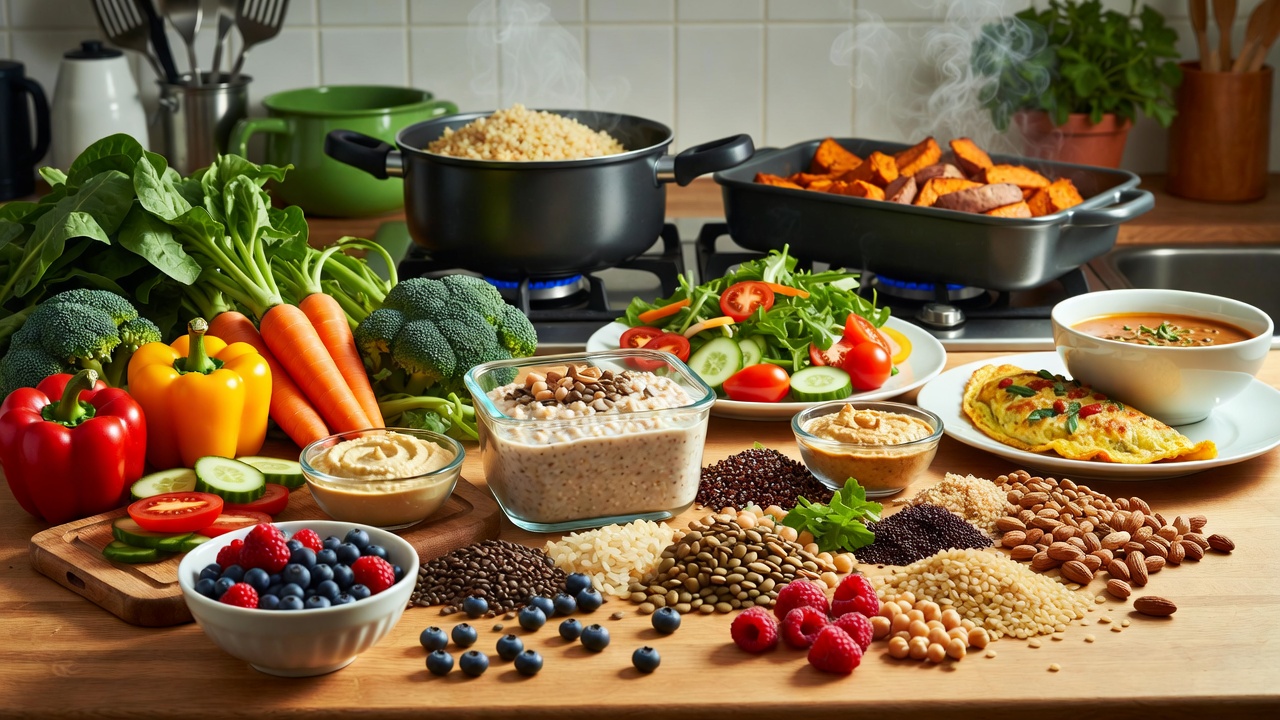
Organic versions of these provide cleaner nutrition without synthetic additives.(Images showing fresh organic vegetables and nutrient-dense foods for blood sugar-friendly meals.)
Practical Meal Ideas: Organic & Low-Glycemic
Build meals around veggies, protein, and smart carbs. Here are simple, delicious ideas using organic ingredients where possible.
Breakfast Options
- Overnight oats with chia seeds, almond milk, topped with berries and a handful of almonds (slow-release energy from fiber and fats)
- Veggie omelet with spinach, mushrooms, tomatoes, and avocado (protein + fats keep levels steady)
- Greek yogurt parfait layered with fresh berries, walnuts, and a sprinkle of cinnamon
(Examples of berry-forward breakfast bowls and high-protein starts to the day.)
Lunch Ideas
- Quinoa salad with chickpeas, cucumber, cherry tomatoes, feta (or plant-based alternative), olive oil dressing, and fresh herbs
- Grilled chicken or tofu over mixed greens with avocado, nuts, and a lemon-tahini dressing
- Lentil soup with plenty of non-starchy veggies and a side salad
Dinner Ideas
- Baked salmon with roasted broccoli, cauliflower, and a small sweet potato (omega-3s and fiber for balance)
- Stir-fried lean beef or tempeh with bell peppers, zucchini, and brown rice or cauliflower rice
- Chickpea curry with spinach, tomatoes, and coconut milk (use minimal rice if including grains)
(Plates featuring balanced, colorful low-glycemic meals with veggies, proteins, and healthy fats.)
Snack Suggestions
- Apple slices with almond butter
- Handful of mixed nuts or seeds
- Carrot sticks with hummus (made from organic chickpeas)
- Plain Greek yogurt with a few berries
Tips for Success the Organic Way
- Prioritize whole foods over processed items.
- Combine carbs with protein/fat/fiber in every meal.
- Choose organic produce, grains, and dairy to avoid potential disruptors.
- Stay hydrated and incorporate movement—both support natural blood sugar regulation.
- Monitor how your body responds, as individual reactions vary.
By embracing these organic, low-glycemic choices, you can enjoy flavorful meals while promoting long-term blood sugar stability and overall wellness. Small, consistent swaps make a big difference—start with one meal a day and build from there!
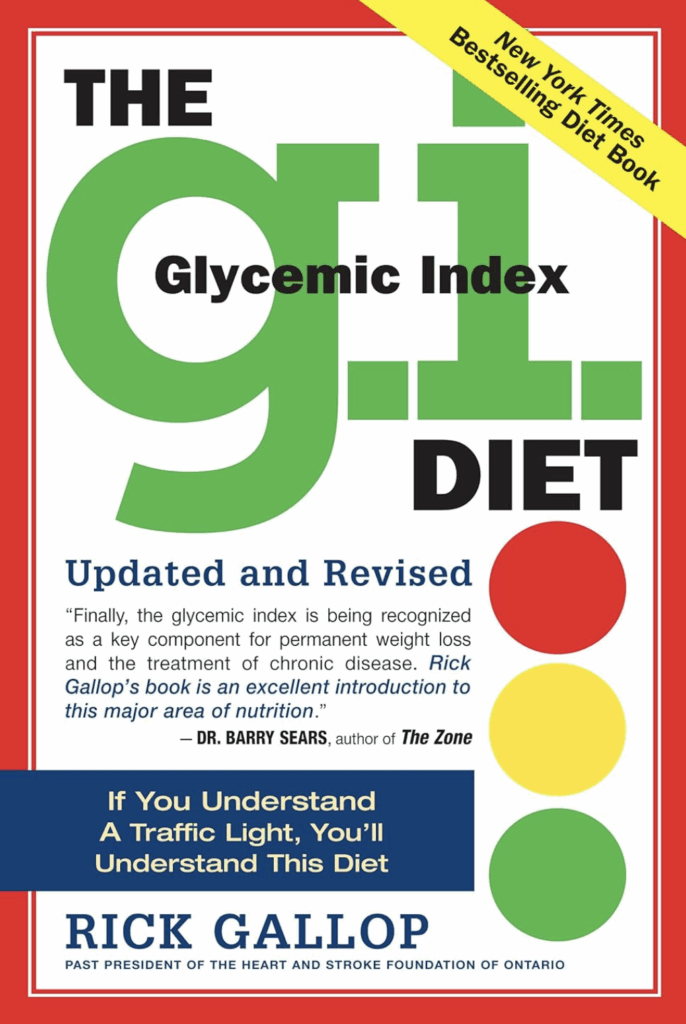
A longtime bestseller (New York Times and Wall Street Journal) that explains the glycemic index in simple terms using a “traffic light” system for foods. It offers practical weight loss and blood sugar stability strategies without calorie counting, with meal plans, food lists, and tips for sustainable eating. Great for beginners wanting an easy, evidence-based intro to low-GI living—perfect complement to your article’s focus on gradual glucose release and steady energy. You can find it on Amazon here, click on picture:
 Why Ultra-Processed Foods Are the Real Silent Killer – And How Big Food + Government Guidelines Have Been Lying to You for Decades
 Why ‘Experts’ Are Finally Admitting Seed Oils Are Slowly Poisoning You – And What Big Food Doesn’t Want You to Know
 Shocking Glyphosate Levels in Popular Bread: Florida’s Eye-Opening Food Testing Report
 Hormone-Balancing Organic Meals: Simple Recipes to Support Women’s Health