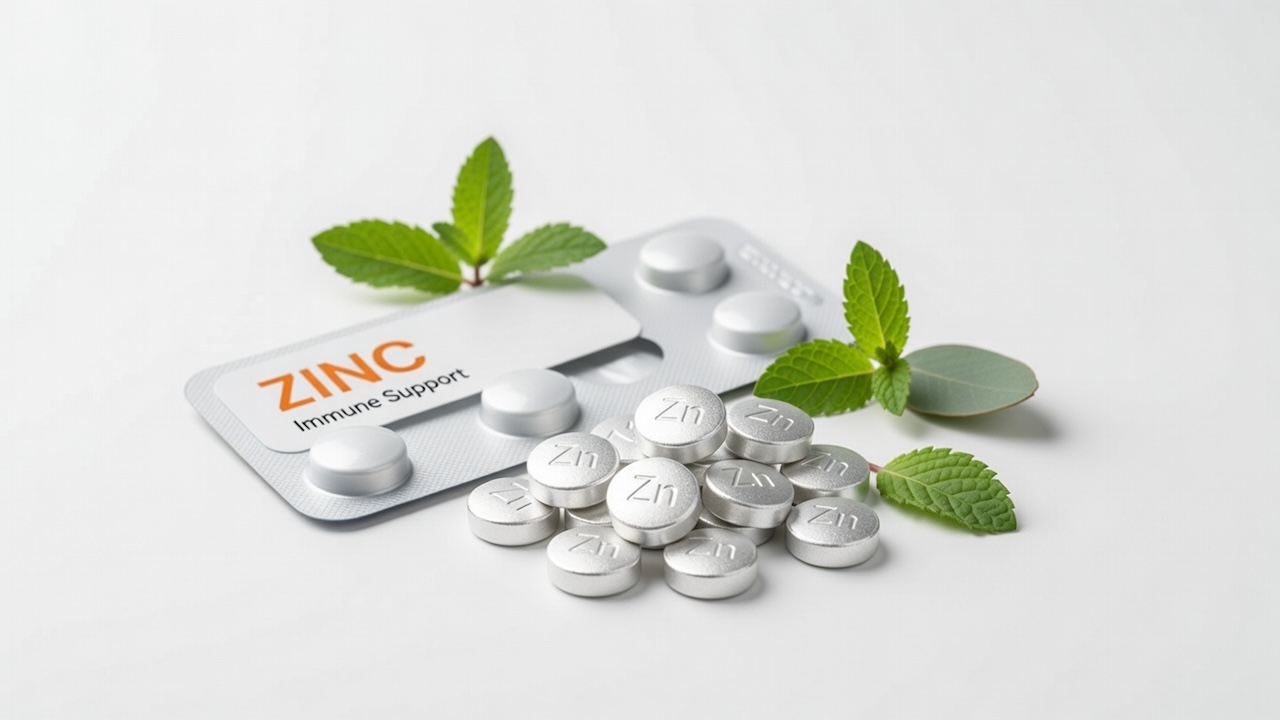
Zinc lozenges have generated significant interest as a potential remedy for the common cold, with research spanning decades and involving numerous randomized controlled trials (RCTs). More than a dozen such trials have examined their effects, and meta-analyses of these studies suggest that zinc, when taken promptly and in the right form, can offer modest benefits in shortening and easing cold symptoms.
The common cold, typically caused by viruses like rhinovirus, brings symptoms such as nasal congestion, sore throat, cough, hoarseness, and fatigue, lasting about a week on average. While no cure exists, zinc lozenges appear to interfere with viral replication in the upper respiratory tract by releasing zinc ions locally in the mouth and throat. Evidence indicates that starting treatment within the first 24 hours of symptom onset is key.
Overall, high-quality meta-analyses show that properly formulated zinc lozenges can reduce cold duration by around 2–3 days on average and lessen symptom severity, including reduced nasal discharge, congestion, hoarseness, and cough. For instance, trials using higher doses (over 75 mg/day of elemental zinc) have demonstrated reductions of 33–42% in cold length, with some analyses showing zinc acetate lozenges shortening colds by about 40% and zinc gluconate by around 28%. Individual patient data from select trials even suggest recovery rates can triple in some cases, with 70% of zinc users recovering by day 5 compared to far fewer on placebo.
However, results are not uniform across all studies. Some older meta-analyses found inconsistent or weak evidence, often due to variations in dose, formulation, or study design. A recent Cochrane review (updated in 2024) concluded that zinc may reduce cold duration by roughly 2 days in treatment contexts (low-certainty evidence), but emphasized wide variability and no clear benefit for symptom severity in many pooled analyses. Prevention trials show little to no reduction in the risk of catching a cold or the number of colds over months to years.
What’s the Best Way to Take Zinc for a Cold?
To maximize potential benefits, focus on these evidence-based guidelines:
- Form: Lozenges (not tablets, syrups, or nasal sprays) are most effective, as they allow zinc ions to act directly in the throat and nasal area.
- Type: Zinc acetate or zinc gluconate appear superior. Zinc acetate may edge out gluconate in some comparisons due to weaker binding of zinc ions, allowing better release. Avoid formulations with strong binders or additives that tie up zinc ions, such as citric acid, tartaric acid, glycine, sorbitol, or mannitol—these can reduce efficacy.
- Dose and Schedule: Aim for 10–15 mg of elemental zinc per lozenge, taken every 2 waking hours (typically totaling 75–100 mg/day or more in effective trials). Continue for a few days until symptoms improve, but limit short-term use to avoid side effects.
- Timing: Start immediately upon noticing symptoms—delays diminish benefits.
Long-term daily zinc supplementation does not prevent colds in the first place, according to multiple reviews. Instead, prioritize dietary sources for ongoing immune support. Zinc-rich whole foods include:
- Legumes (beans, lentils, chickpeas)
- Nuts and seeds (pumpkin seeds, cashews, almonds)
- Whole grains
- Meat, shellfish, and dairy (for non-vegetarians)
These provide bioavailable zinc alongside other nutrients, without the risks of excess supplementation.
Cautions and Side Effects
Zinc lozenges are generally safe for short-term use (under 2 weeks), but common side effects include bad taste, mouth irritation, nausea, and altered taste/smell. Higher doses increase these risks, and overuse can lead to copper deficiency or other issues. The Cochrane review noted more non-serious adverse events with zinc treatment. Always consult a healthcare provider before starting, especially if you have underlying conditions, take medications, or are pregnant/breastfeeding. Children may benefit in some cases, but evidence is mixed and dosing differs.

In summary, while not a miracle cure, zinc lozenges—particularly high-dose, well-formulated acetate or gluconate versions started early—offer one of the few evidence-based options to potentially shave days off a miserable cold. Pair this targeted approach with a nutrient-rich diet for the best overall defense against respiratory bugs.
 Unlocking the Potential of Black Seed Oil: A Natural Ally for Metabolic and Nerve Health in Diabetes Management
 Chemical found in leafy greens shown to slow growth of COVID-19 and common cold viruses
 Honey A Better Option For Childhood Cough Than Over The Counter Medications
 Immune-boosting role of vitamins D, C, E, zinc, selenium and omega-3 fatty acids: Could they help against COVID-19?