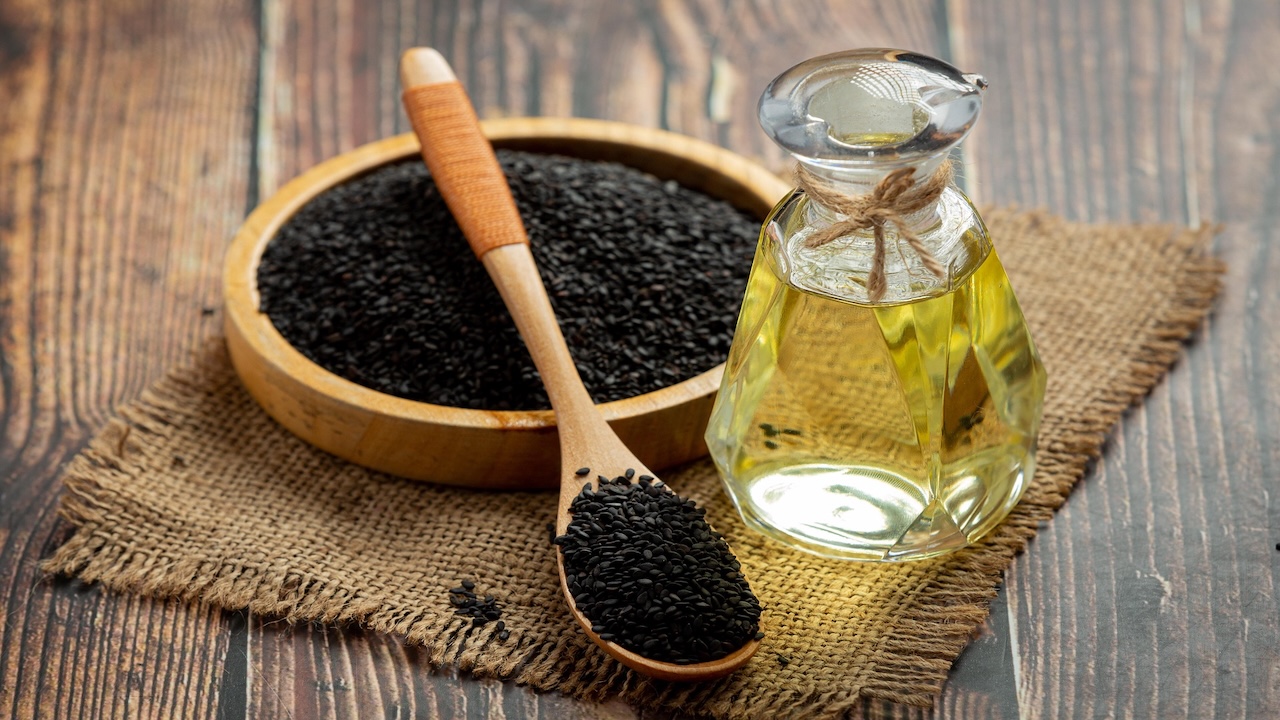
In a world where diabetes affects millions, finding complementary ways to support health is more important than ever. Black seed oil, derived from the seeds of the Nigella sativa plant (also known as black cumin), has emerged as a topic of growing interest in scientific research. Traditionally used in various cultures for centuries, modern studies suggest it may offer benefits through its anti-inflammatory, antioxidant, and insulin-sensitizing properties.
This article explores these potential advantages, particularly for those managing diabetes or related complications like nerve damage. Remember, while promising, black seed oil isn’t a cure—it’s a tool that might complement your doctor’s advice. Always consult a healthcare professional before starting any new supplement.
What Is Black Seed Oil?
Black seed oil comes from the tiny black seeds of the Nigella sativa flower, native to Southwest Asia and the Mediterranean. It’s rich in bioactive compounds, with thymoquinone being the star player. This compound is credited with many of the oil’s health effects. Available as oil, capsules, or seeds, it’s often praised in herbal medicine for its versatility—from digestive aid to immune booster. In the context of diabetes, researchers are focusing on how it might influence blood sugar control and protect against complications.
The Science Behind the Benefits
Research indicates that black seed oil supports metabolic and nerve health via three key pathways:
- Anti-Inflammatory Effects: Chronic inflammation is a hallmark of diabetes, contributing to insulin resistance and tissue damage. Thymoquinone helps reduce inflammatory markers like TNF-α and IL-6, potentially easing this burden.
- Antioxidant Properties: Oxidative stress from high blood sugar can harm cells, leading to complications. The oil’s antioxidants neutralize free radicals, protecting organs like the pancreas and nerves.
- Insulin-Sensitizing Pathways: It may improve how the body responds to insulin, enhancing glucose uptake and reducing resistance. This could lead to better blood sugar management.
These mechanisms have been observed in lab studies, animal models, and human trials, making black seed oil a focal point in diabetes-related research.
Supporting Metabolic Health in Diabetes
For people with type 2 diabetes, maintaining stable blood sugar and healthy lipid levels is crucial. Here’s how black seed oil might help:
- Blood Sugar Control: Multiple clinical trials have shown reductions in fasting blood glucose and HbA1c (a measure of long-term blood sugar). For instance, systematic reviews of randomized controlled trials report improvements when taken daily, often at doses of 1-3 grams.
- Insulin Resistance: By sensitizing cells to insulin, it could help combat the root cause of type 2 diabetes. Animal studies demonstrate better beta-cell function in the pancreas, which produces insulin.
- Lipid Profile Improvements: Diabetes often comes with high cholesterol. Research suggests black seed oil can lower total cholesterol, LDL (“bad” cholesterol), and triglycerides while boosting HDL (“good” cholesterol).
| Potential Metabolic Benefits | Supporting Evidence from Studies |
|---|---|
| Reduced Fasting Blood Glucose | Meta-analyses of 16+ RCTs show significant drops in FBG levels. |
| Lower HbA1c | Improvements noted in trials lasting 8-12 weeks. |
| Better Lipid Levels | Decreases in LDL and triglycerides in human studies. |
| Enhanced Insulin Sensitivity | Observed in both animal and preliminary human research. |
These effects are most pronounced when used alongside standard treatments like metformin or lifestyle changes.
Protecting Nerve Health Against Diabetic Complications
Diabetic neuropathy—a common issue causing pain, numbness, or tingling in the extremities—affects up to 50% of people with diabetes. Black seed oil’s neuroprotective qualities offer hope here:
- Reducing Nerve Damage: Animal studies show it alleviates symptoms by curbing inflammation and oxidative stress in nerves.
- Pain Relief: Some human trials report reduced neuropathic pain, possibly due to its analgesic properties.
- Overall Nerve Protection: By supporting blood flow and reducing hyperglycemia-induced damage, it might slow neuropathy progression.
While evidence for nerve health is more emerging than for metabolic benefits, early reviews are encouraging. If you’re experiencing neuropathy, discuss options with your doctor—black seed oil could be part of a broader plan including medications, physical therapy, or diet.
How to Incorporate Black Seed Oil Safely
If you’re interested in trying it, start small and monitor your response:
- Dosage: Studies often use 1-3 grams per day (about 1-2 teaspoons of oil). Capsules are convenient for precise dosing.
- Forms: Pure oil can be added to food or drinks; avoid heating it to preserve nutrients.
- Duration: Benefits may appear after 4-8 weeks of consistent use.
Pair it with a diabetes-friendly lifestyle: balanced meals, regular exercise, and blood sugar monitoring. Track your levels closely, as it might enhance the effects of your medications.
Precautions and Potential Side Effects
Black seed oil is generally safe, with low toxicity in studies, but it’s not for everyone:
- Interactions: It may interact with blood thinners, diabetes meds (risk of low blood sugar), or immunosuppressants. Consult your doctor if you’re on medications.
- Side Effects: Mild issues like stomach upset or allergic reactions can occur. Pregnant or breastfeeding individuals should avoid it due to limited data.
- Quality Matters: Choose reputable brands tested for purity—look for organic, cold-pressed options free from contaminants.
If you have liver or kidney issues, proceed with caution.

Final Thoughts: Empowering Your Health Journey
For those affected by diabetes, black seed oil represents a natural option backed by science, potentially aiding metabolic balance and nerve protection through its multifaceted pathways. It’s not a miracle, but integrated thoughtfully, it could enhance your quality of life. Stay informed, work with your healthcare team, and remember: small, evidence-based steps can make a big difference. If you’re dealing with diabetes, resources like the American Diabetes Association offer additional support—consider reaching out.
This article is for informational purposes only and not medical advice. Individual results vary, and professional guidance is essential.
 Why ‘Experts’ Are Finally Admitting Seed Oils Are Slowly Poisoning You – And What Big Food Doesn’t Want You to Know
 Ozempic’s Hidden Horror: Is This ‘Miracle’ Weight-Loss Shot Silently Paralyzing Your Gut, Stealing Your Sight, and Raising Cancer Risks?
 Zinc Lozenges: Can They Really Shorten Your Cold by 3 Days? An Evidence-Based Look
 WHO advises not to use non-sugar sweeteners for weight control