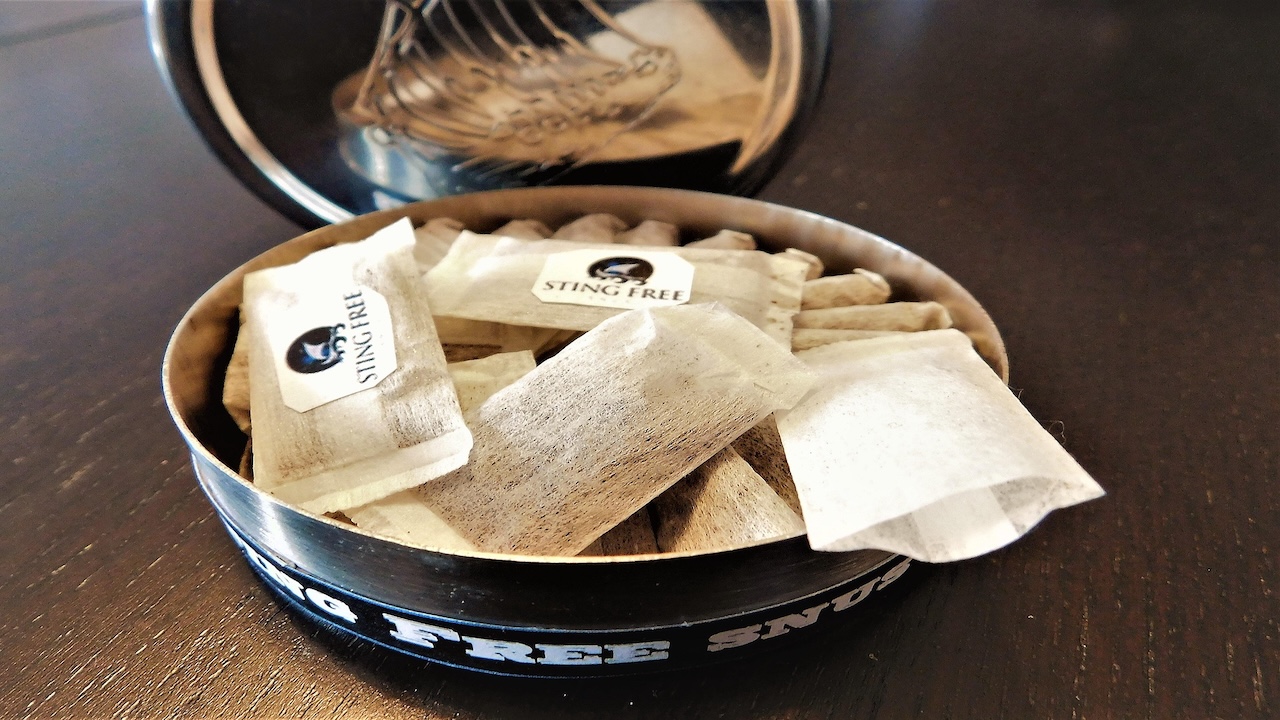
Nicotine pouches have exploded in popularity as the sleek, spit-free, “modern” alternative to smoking and traditional chewing tobacco. Marketed with vibrant packaging and appealing flavors, they sit discreetly under the lip, promising a clean nicotine hit without the smoke, smell, or obvious stigma. Young adults and former smokers alike have embraced them, viewing the products as a harmless or at least far safer option. But behind the trendy image lies a more complicated and concerning reality.
Despite being labeled tobacco-free, many nicotine pouches are not risk-free. A landmark 2022 study tested 44 different pouch products and made a disturbing discovery: 26 of them contained tobacco-specific nitrosamines (TSNAs)—potent carcinogens long associated with cancer in smokeless tobacco users. These chemicals appeared even though the pouches contained no actual tobacco leaf. The highest levels reached 13 nanograms of N-nitrosonornicotine per pouch. While these amounts are lower than in traditional snus or moist snuff, their presence raises serious red flags about long-term safety.
The issue extends beyond TSNAs. Independent analyses have also detected other toxicants, including formaldehyde (a known carcinogen), nickel, chromium, and ammonia in various products. These substances can stem from nicotine processing, flavorings, pH adjusters, or manufacturing contaminants. The “tobacco-free” label creates a powerful misconception—consumers assume the absence of tobacco leaf equals the absence of harm, yet the chemistry tells a different story.
Nicotine itself remains the core problem. Pouches deliver potent doses—some products contain up to 47.5 mg per pouch—with high free-base nicotine proportions that allow rapid absorption. This can make them as addictive as cigarettes, or even more so for new users. High nicotine levels also affect cardiovascular health, blood pressure, and potentially contribute to tumor promotion, even if nicotine is not a strong direct carcinogen on its own.
Compounding the concern is weak regulation and inconsistent product quality. Many pouches feature vague or missing nicotine strength labeling, making it difficult for users to gauge exposure. While some premium brands (particularly those using synthetic nicotine) test cleaner with undetectable TSNAs, others show measurable carcinogens. This variability means consumers are essentially playing Russian roulette with their health depending on which brand they choose.
The Harm Reduction Debate
Public health experts remain divided. On one hand, nicotine pouches expose users to significantly fewer harmful chemicals than combustible cigarettes, which deliver thousands of toxic compounds through smoke. For adult smokers who completely switch, these products could reduce risks of lung cancer, heart disease, and respiratory illness. Some studies on similar oral nicotine products show lower toxicant levels overall compared to traditional smokeless tobacco.
On the other hand, they are not harmless. Long-term epidemiological data on pouch-specific cancer risks is still limited because the products are relatively new. Oral health issues—such as gum irritation, recession, and inflammation—have already been reported. Youth uptake is another major worry: appealing flavors and discreet use make pouches attractive to teenagers and young adults who might never have tried tobacco otherwise, potentially creating a new generation hooked on nicotine.
What Users Should Know
If you currently use nicotine pouches, awareness is the first step. Opt for brands that publish third-party testing results showing minimal or undetectable TSNAs and other toxins. Start with lower nicotine strengths if possible, and monitor for any signs of oral discomfort. Most importantly, view pouches as a potential short-term quitting aid rather than a permanent substitute— the ultimate goal for health should be complete nicotine freedom.
Regulatory bodies like the FDA are still evaluating these products. Stronger manufacturing standards, clear labeling requirements, and restrictions on marketing to youth could help mitigate risks. In the meantime, the evidence suggests caution: “tobacco-free” does not equal safe, and the presence of carcinogens in a significant portion of tested products should give both users and regulators pause.
The rise of nicotine pouches reflects a broader industry shift toward smokeless, “modern” nicotine delivery. While they may represent harm reduction for some, they also highlight the need for continued research, transparency, and personal vigilance. The velvet trap is convenient and discreet—but it may still carry a hidden sting. Readers considering or currently using these products should weigh the science carefully before assuming they are a completely safe choice.
Strong Scientific Breakdown
“Under the Zynfluence: Harmful Nicotine Effects Explained” (American Lung Association)
Link: https://www.youtube.com/watch?v=XahFelfCxTQ
- Covers the harmful effects, cancer-causing chemicals, and youth impact
- Credible source with clear explanations
Doctor Explains Risks
“What Do ZYN Nicotine Pouches Do To The Body?” – Houston Methodist
Link: https://www.youtube.com/watch?v=SGSfyWhfr7I
- From a real doctor, covers side effects on mouth, kidneys, heart, and overall health
Good Balanced View
“Nicotine pouches ‘significantly’ less harmful than cigarettes” (Sky News)
Link: https://www.youtube.com/watch?v=nGiOyV-fbao
- Shows the harm reduction angle while still acknowledging risks
Here are the best and most relevant Amazon books related to nicotine pouches, their risks, and tobacco harm reduction:
Top Recommendations:
1. Best for Harm Reduction Perspective
For Smokers Only: How Smokeless Tobacco Can Save Your Life
by Dr. Brad Rodu
- A classic book by a leading researcher in tobacco harm reduction.
- Explains how smokeless nicotine products (including modern pouches) can be far safer than smoking.
- Highly referenced in scientific discussions.
2. Most Directly Relevant (New Release)
Quit Smoking with Nicotine Pouches: A Tobacco-Free Guide to Smoke-Free Alternatives, Beating Nicotine Addiction, and Quitting for Good
by Lily Penrose (2025)
- Specifically about using nicotine pouches as a quitting tool.
- Step-by-step guide on transitioning away from smoking/vaping and eventually quitting nicotine.
3. Good Modern Overview
Beyond the Smoke: The Clear Guide to Nicotine Pouches and Modern Alternatives
- Focuses on the nicotine pouch industry, science, and alternatives.
- Good for understanding the current landscape.
4. Best for Quitting Nicotine Altogether
Allen Carr’s Easy Way to Quit Vaping (Updated edition)
by Allen Carr
- Excellent method for quitting all forms of nicotine (including pouches).
- Very popular and effective for many people.
If you’re looking to move away from nicotine pouches like Zyn, here are my Top 3 recommended safer alternatives currently available on Amazon:
Nicorette Fruit Chill Gum or Nicoderm CQ Clear Patches are excellent choices with the highest demand — they provide controlled nicotine delivery to help manage cravings while you step down safely. For those wanting to quit nicotine completely, Allen Carr’s Easy Way to Quit Vaping is one of the most popular and effective books available — it has helped thousands break free from all forms of nicotine without relying on willpower alone. And if you love the pouch format but want zero nicotine, Grinds Coffee Pouches are a fantastic switch — they give you that familiar oral experience with a caffeine boost instead.
You can check out all three options here: Shop My Recommended Alternatives on Amazon
Nicorette Fruit Chill Gum https://amzn.to/48FDe9P
Nicoderm CQ Clear Patches https://amzn.to/3Pjpqv8
Allen Carr’s Easy Way to Quit Vaping https://amzn.to/4thRvRz
Grinds Coffee Pouches https://amzn.to/4n57XmP
Additional Products:Oral Fixation Alternatives (Great for pouch users):
- Cinnamon toothpicks or ** flavored toothpicks** (popular bundle item)
- Fidget chew toys or jaw exercisers (for oral craving)
- Strong mint sugar-free gum (Extra Polar Ice, Mentos Pure Fresh)
Supplements & Natural Aids:
- Quit smoking support supplements (with ingredients like magnesium, L-theanine, or herbal blends)
- Ashwagandha, L-Theanine, or Magnesium Glycinate — help with anxiety and cravings during quitting
Lifestyle / Support Products:
- Quit smoking journals or ** habit trackers**
- Essential oil diffusers + calming blends (lavender, peppermint)
- Water bottles with time markers (hydration helps with cravings)
Premium Items:
- Breathing exercise devices (like “Breathwrk” or similar)
- Blue light blocking glasses (for better sleep during withdrawal)
- Resistance bands or home workout kits (exercise is one of the best quitting aids)
 New evidence of health threat from chemicals in marijuana and tobacco smoke
 Fake cigarettes increase success rate for quitting smoking, study finds
 Big Tobacco knew radioactive particles in cigarettes posed cancer risk but kept quiet
 E-Cigarettes Linked To Increased Arterial Stiffness, Blood Pressure And Heart Rate In Humans