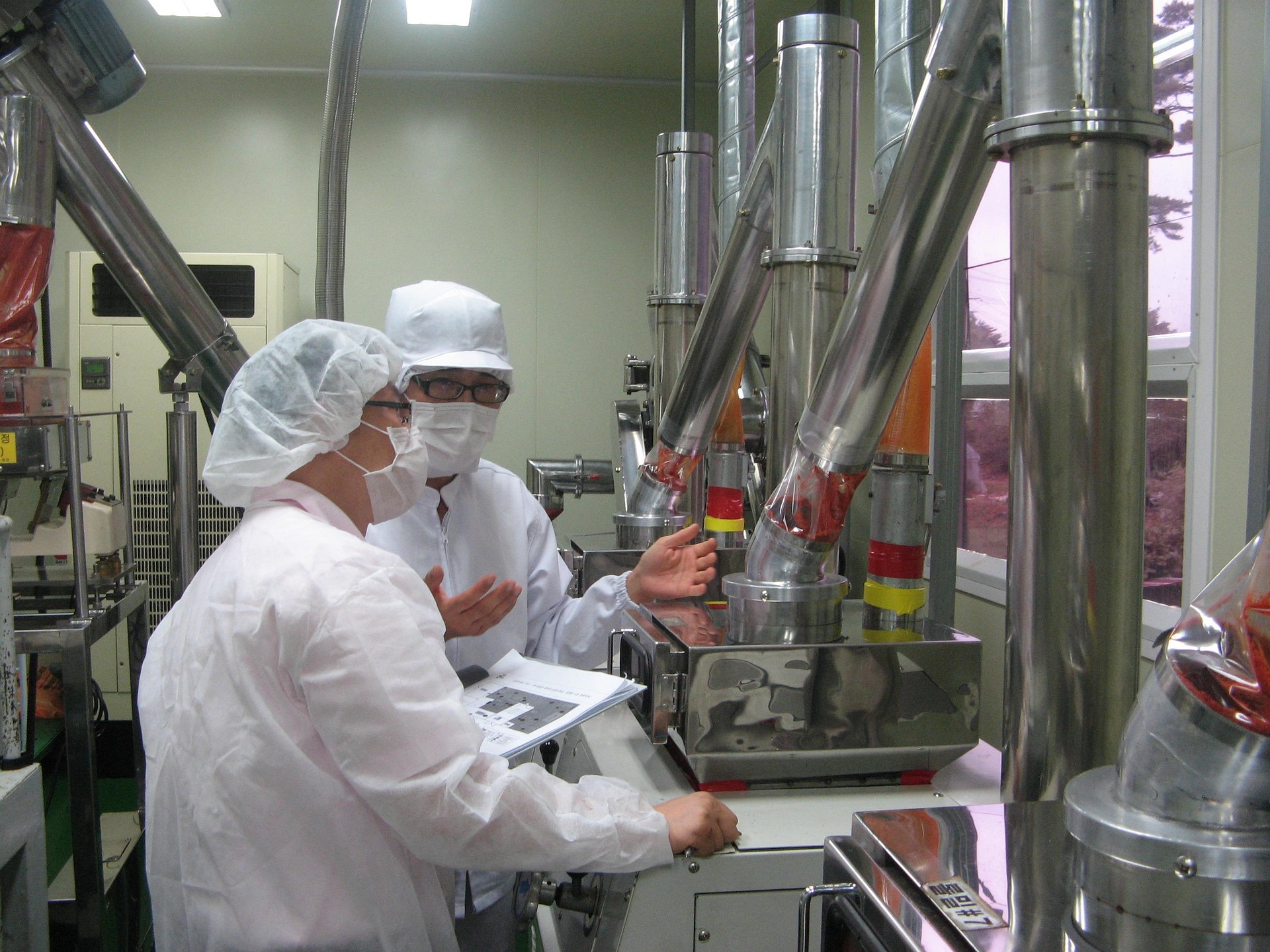
In recent years, ultra-processed foods (UPFs) have come under intense scrutiny from researchers, health organizations, and even government agencies. These products—ranging from sugary cereals and sodas to packaged snacks, ready meals, and reconstituted meats—now dominate many modern diets, often supplying over half of daily calories in countries like the United States.
Mounting evidence links high consumption of UPFs to serious health risks, prompting many people to seek alternatives. One popular shift is toward organic foods, which often stand in stark contrast due to stricter production standards and typically lower levels of industrial processing.
What Are Ultra-Processed Foods?
The most widely used framework for understanding food processing is the NOVA classification system, developed by researchers at the University of São Paulo and adopted in dietary guidelines worldwide. NOVA divides foods into four groups:
- Group 1: Unprocessed or minimally processed foods (e.g., fresh fruits, vegetables, grains, meat, milk).
- Group 2: Processed culinary ingredients (e.g., oils, butter, sugar, salt).
- Group 3: Processed foods (e.g., canned vegetables with salt, cheeses, freshly baked bread).
- Group 4: Ultra-processed foods—industrial formulations made mostly from extracted substances (like oils, sugars, and starches), combined with additives (flavors, colors, emulsifiers, preservatives) and little to no whole foods.
UPFs are engineered for hyper-palatability, long shelf life, and convenience, but this often comes at the cost of nutritional quality. They tend to be high in added sugars, unhealthy fats, sodium, and refined carbs while being low in fiber, vitamins, and minerals.
The Health Risks of Ultra-Processed Foods
A growing body of high-quality research, including large-scale reviews and meta-analyses, consistently associates higher UPF intake with adverse outcomes. A landmark 2024 umbrella review in The BMJ, analyzing dozens of meta-analyses involving millions of people, found convincing or highly suggestive evidence linking greater UPF exposure to:
- Increased risk of all-cause mortality (around 21% higher)
- Cardiovascular disease and related deaths (up to 50% higher in some analyses)
- Type 2 diabetes
- Obesity
- Mental health issues like anxiety and depression
- Other concerns such as sleep problems and certain cancers
Studies show that each additional 10% of calories from UPFs can raise mortality risk by about 9%, and randomized trials demonstrate that UPF-heavy diets lead to overeating (often 500+ extra calories per day) and weight gain, even when matched for basic nutrients. Mechanisms include poor satiety from low fiber, engineered appeal that overrides natural hunger signals, and potential effects from additives or altered food matrices.
Recent reports, including from The Lancet series and U.S. agencies like HHS and FDA, emphasize that UPFs contribute to chronic disease epidemics, with calls for better definitions, research, and policies to curb their dominance.
How Going Organic Makes a Difference
Organic foods, certified under standards like USDA Organic, prohibit synthetic pesticides, GMOs, sewage sludge, and many artificial additives in processing. While organic certification doesn’t directly target “processing level,” it intersects meaningfully with UPF concerns.Studies comparing packaged foods show that certified organic versions typically contain:
- Fewer ultra-processed ingredients and cosmetic additives
- Lower levels of added sugars, saturated fats, sodium, and trans fats
- Higher potassium and often better overall nutrient profiles
Organic packaged foods are generally less heavily processed, with stricter limits on additives that promote overeating or palatability. Observational research links higher organic consumption to reduced risks of obesity, metabolic syndrome, certain cancers (e.g., non-Hodgkin lymphoma), infertility, and other issues—though some benefits may stem from broader healthy lifestyle patterns among organic consumers (more plant-based eating, less smoking, more activity).
Importantly, choosing organic often naturally reduces UPF intake: people prioritizing organic tend to favor whole foods (fresh produce, minimally processed items) over industrial snacks and ready meals. This shift displaces hyper-palatable UPFs with nutrient-dense options, improving diet quality overall.
Organic produce also shows higher antioxidants in some cases and far lower pesticide residues, adding another layer of potential protection.
Practical Steps Forward
The evidence isn’t about demonizing all processed foods—canned beans or frozen vegetables can be healthy—but about recognizing that ultra-processing often transforms food in ways that harm health when overconsumed.
Going organic isn’t a cure-all, and not everyone can access or afford it exclusively. However, prioritizing organic where possible (especially for high-pesticide items or packaged goods) combined with cooking from whole ingredients can meaningfully cut UPF exposure.
Start small: swap ultra-processed snacks for organic fruits/nuts, choose organic dairy or grains when available, and read labels to avoid long ingredient lists full of unfamiliar additives.
Ultimately, the truth about ultra-processed foods is clear: excessive reliance on them drives poor health outcomes. Embracing organic options isn’t just a trend—it’s a practical way to reclaim nutrient-rich, less-manipulated foods and support better long-term well-being.
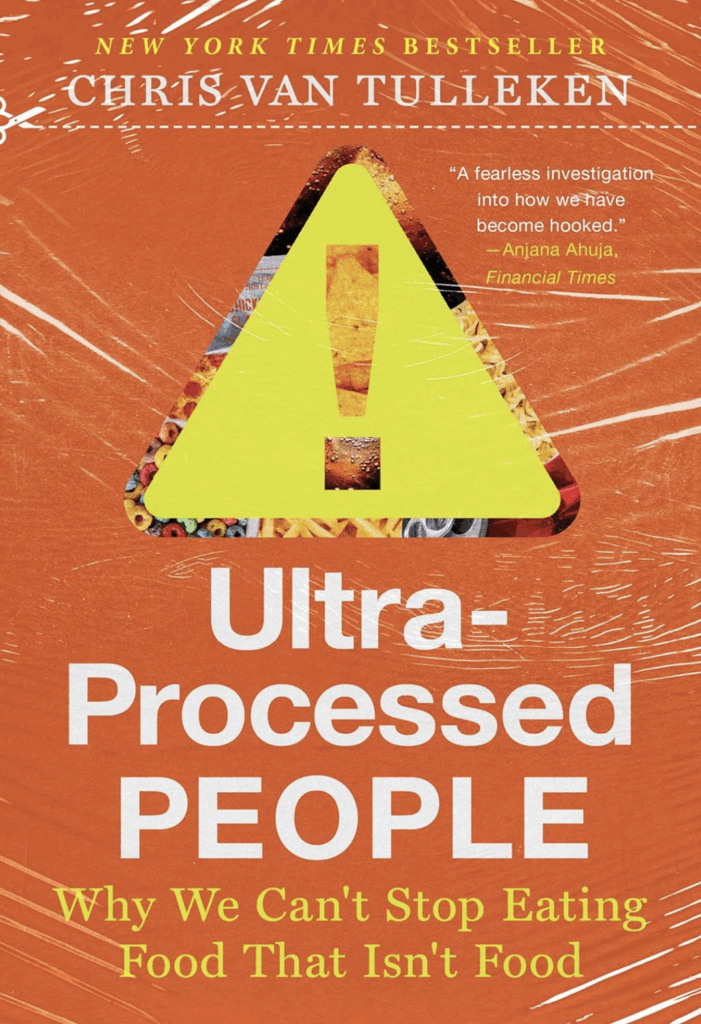
This is widely regarded as the definitive book on ultra-processed foods right now. The author (a doctor and scientist) dives deep into the science, economics, history, and addictive nature of UPFs, including a personal experiment eating mostly UPFs for a month. It explains why these foods drive overeating, obesity, chronic diseases, and environmental harm—and offers realistic solutions. You can find it on Amazon here, click on picture:
 Why Ultra-Processed Foods Are the Real Silent Killer – And How Big Food + Government Guidelines Have Been Lying to You for Decades
 How to Build a Fully Organic Pantry on a Budget: Essentials for Beginners
 The TOP FOODS You Absolutely SHOULD NOT EAT To Live Longer! | Dr. Sten Ekberg & Lewis Howes
 Research On Cancer-fighting Foods, Supplements