
Eucalyptus soap offers a surprising natural solution for homeowners battling ticks in their yards and gardens. Many gardeners are turning away from harsh chemicals toward plant-based options that are safer for families and pets. The strong aromatic compounds in eucalyptus disrupt ticks’ sensory systems and deter them from questing for hosts. This approach combines convenience with effectiveness for everyday outdoor spaces.
Ticks thrive in tall grass, leaf litter, and shaded garden borders where they wait for passing animals or humans. Eucalyptus oil and soaps containing it create an unfriendly environment that ticks actively avoid. Regular application can reduce tick encounters during peak seasons. Homeowners report fewer hitchhikers after incorporating eucalyptus routines.
Oil of lemon eucalyptus stands out as particularly powerful among natural repellents. The CDC recognizes it as an effective alternative to synthetic options for personal protection. Its active component PMD provides hours of repellency against common tick species. This makes eucalyptus-based products versatile for both body and yard use.
Using eucalyptus soap directly in the garden involves creative dilution methods. Dissolve shavings or liquid castile eucalyptus soap in water to create a sprayable solution. Add a small amount of essential oil for stronger potency against stubborn populations. This homemade mix serves as both a cleaner and repellent in one step.
Spraying diluted eucalyptus solutions on garden perimeters targets tick hotspots effectively. Focus on shrub edges, woodpiles, and grassy transitions where ticks congregate. The oil’s contact action can kill ticks on direct exposure while repelling others. Reapplication after rain maintains the protective barrier.
Planting eucalyptus trees or companion repellent plants enhances long-term yard defense. These aromatic additions create natural barriers that ticks dislike crossing. Combine them with eucalyptus soap sprays for layered protection throughout the season. This strategy supports biodiversity while controlling pests.
Eucalyptus soap works well for personal protection before gardening or yard work. Washing clothes or skin with it leaves a residual scent that discourages tick attachment. Many users combine it with treated footwear for complete coverage. This simple habit reduces the risk of bringing ticks indoors.
Safety remains important when applying any essential oil-based product. Always dilute eucalyptus properly to avoid irritating plants or sensitive skin. Test small areas first before widespread garden use. Keep concentrated forms away from young children and certain pets.
Combining eucalyptus with other natural oils boosts overall effectiveness. Neem, cedar, or lemongrass complement eucalyptus soap mixtures beautifully. These blends target multiple tick life stages and behaviors. Experimentation helps gardeners find their ideal custom formula.
Yard maintenance amplifies the power of eucalyptus treatments significantly. Keep grass short and remove leaf litter to eliminate tick hiding spots. Create gravel or mulch barriers that separate wooded areas from play zones. These cultural practices make eucalyptus applications more successful.
Studies show lemon eucalyptus extracts perform comparably to DEET on fabric and in field conditions. Recent research confirms strong repellency against blacklegged and dog ticks. Fabric sprays with these oils remain effective for days after application. This durability makes them practical for regular outdoor enthusiasts.
Eucalyptus soap provides an affordable entry point for natural tick management. A single bar or bottle lasts through multiple DIY spray batches. Commercial eucalyptus products offer convenience for those preferring ready-made solutions. Both options deliver results without breaking the budget.
Monitoring tick activity helps determine when to intensify eucalyptus use. Check clothing and pets after time outdoors to gauge problem severity. Adjust spray frequency based on observed encounters and weather patterns. Consistent vigilance prevents small issues from becoming major infestations.
Gardeners appreciate eucalyptus for its pleasant fresh scent compared to chemical alternatives. The aroma enhances outdoor enjoyment rather than detracting from it. Many report improved experiences working in treated yards. This sensory benefit encourages regular maintenance routines.
Integrated pest management pairs eucalyptus soap with biological controls effectively. Encourage natural predators like birds and beneficial insects in the garden. Avoid broad-spectrum treatments that harm these helpful allies. Eucalyptus fits perfectly into balanced eco-friendly strategies.
Timing applications correctly maximizes eucalyptus soap’s protective effects. Early morning or evening sprays allow better absorption before heat evaporates the oils. Target treatments before predicted tick activity peaks in spring and fall. Proactive scheduling prevents rather than reacts to problems.
Clothing treatments using eucalyptus solutions offer extended personal defense. Spray pants, socks, and shoes thoroughly before entering tick-prone areas. The residual effect lasts through several wearings when properly applied. This method reduces skin exposure to both ticks and repellents.
Eucalyptus works against multiple tick species common in North American yards. Blacklegged, lone star, and American dog ticks all respond to its compounds. Broad-spectrum action makes it valuable regardless of local tick varieties. Homeowners gain versatile protection from one main ingredient.
Proper storage preserves the potency of eucalyptus soap and oil mixtures. Keep homemade sprays in cool, dark places away from direct sunlight. Shake well before each use to redistribute oils evenly. Fresh batches deliver the strongest tick-fighting results.
Community experiences highlight eucalyptus soap success stories across regions. Gardeners share tips on dilution ratios and application techniques online. Local extension services often endorse similar natural approaches. Shared knowledge accelerates effective tick control adoption.
Limitations exist even with effective natural options like eucalyptus. No single method eliminates every tick in a large yard alone. Combining approaches yields the best long-term outcomes. Patience and consistency reward persistent gardeners.
Future innovations may enhance eucalyptus-based tick products further. Researchers continue exploring optimized formulations and delivery methods. Home gardeners already benefit from current proven options. Eucalyptus remains a reliable cornerstone of natural defense.
Enjoying a tick-reduced yard transforms outdoor family time positively. Children and pets play more freely with lower risk. Gardening becomes relaxing rather than worrisome. Eucalyptus soap contributes to creating these safer havens.
Starting with eucalyptus soap requires minimal investment and offers quick visible benefits. Dilute, spray, and observe the difference in your garden spaces. Adjust based on results while maintaining core practices. Nature provides powerful tools when we learn to use them wisely.
Several high-quality Amazon products turn the natural tick-control strategies in this article into simple, ready-to-use solutions. These recommended items focus on eucalyptus-based options that can be purchased immediately and apply in your yards and gardens. Each product aligns closely with the DIY methods and science-backed advice covered in this article. These will help homeowners achieve effective tick reduction without harsh chemicals.
- Murphy’s Naturals Mosquito & Tick Bug Repellent Spray (Oil of Lemon Eucalyptus)
- EPA-registered with 30% Oil of Lemon Eucalyptus (OLE).
- Highly rated for skin, clothing, and outdoor gear. Provides several hours of tick protection.
- Comes in various sizes (2 oz, 4 oz, 6 oz) and multi-packs.
- Best seller in the natural tick repellent category.
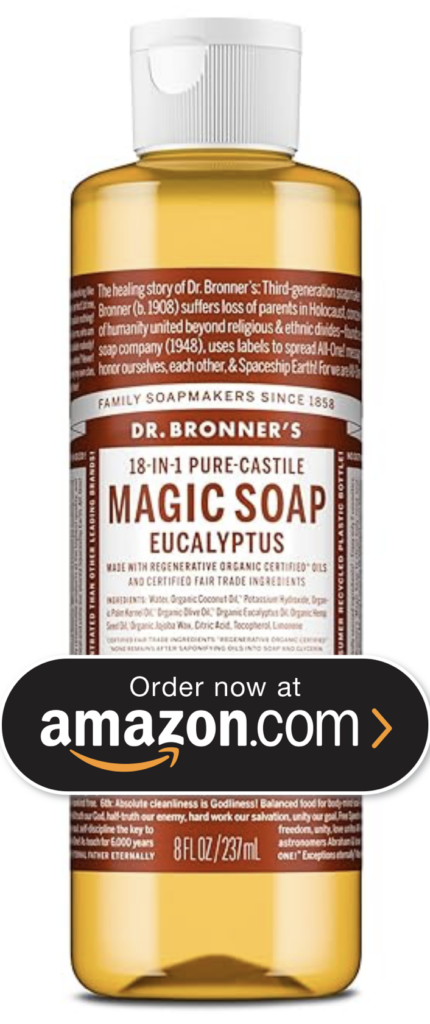
- Dr. Bronner’s Pure-Castile Liquid Soap – Eucalyptus
- The classic eucalyptus soap mentioned in the article.
- Perfect for making DIY yard sprays (as an emulsifier) or personal washing to leave a repellent scent.
- Available in 8 oz, 16 oz, 32 oz, and gallon sizes. Great for bundling.
- Tick Me Off Tick Repellent Soap Bars
- Natural soap bars specifically formulated with tick-deterrent oils.
- Easy daily use for gardeners and outdoor enthusiasts.
- Pure Lemon Eucalyptus Essential Oil or OLE
- For custom DIY sprays as described in the article (dilute with water + Dr. Bronner’s soap).
- Look for high-quality, therapeutic-grade options for stronger yard applications.
- Wondercide Ready-to-Use Flea, Tick & Mosquito Yard Spray
- Plant-based essential oil yard treatment (cedar + others).
- Complements eucalyptus for full yard/garden coverage.
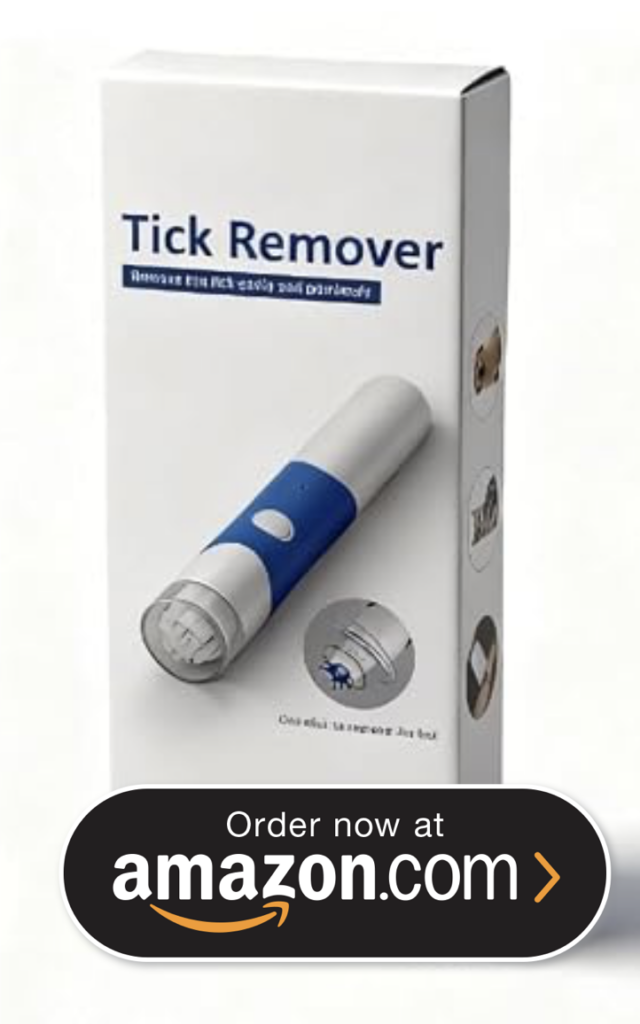
Smart Backup: The Tick Zapper
Even with strong prevention using eucalyptus soap and sprays, an occasional tick may still attach. The Tick Zapper is a simple, chemical-free removal tool that safely twists and extracts the entire tick—including the head—without squeezing the body.
This battery-free device reduces the risk of infection by preventing the tick from injecting pathogens during removal. Keeping a Tick Zapper in your garden bag or first-aid kit provides complete peace of mind alongside your natural repellents.
These carefully chosen Amazon products make the transition from reading about eucalyptus tick control to actually implementing it straightforward and effective.
 One Tiny Tick Bite Stole His Burgers Forever – And It Could Happen to You
 Balsam fir needles can kill ticks that cause Lyme disease
 SAVING OUR SEEDS – The Practice And Philosophy
 An aromatic tomato could be looming — a la heirloom varieties