Imagine biting into a perfectly grilled burger for dinner, enjoying the savory flavors without a second thought. Hours later, at 2 a.m., you jolt awake struggling to breathe, your body in full anaphylactic shock. There’s no obvious reason—no new medication, no known food allergy—yet your life has suddenly changed forever.
This terrifying scenario plays out for thousands of people each year due to alpha-gal syndrome (AGS), a tick-induced red meat allergy that can permanently alter dietary habits. What begins as a routine outdoor encounter ends with lifelong avoidance of mammalian meats and sometimes much more.
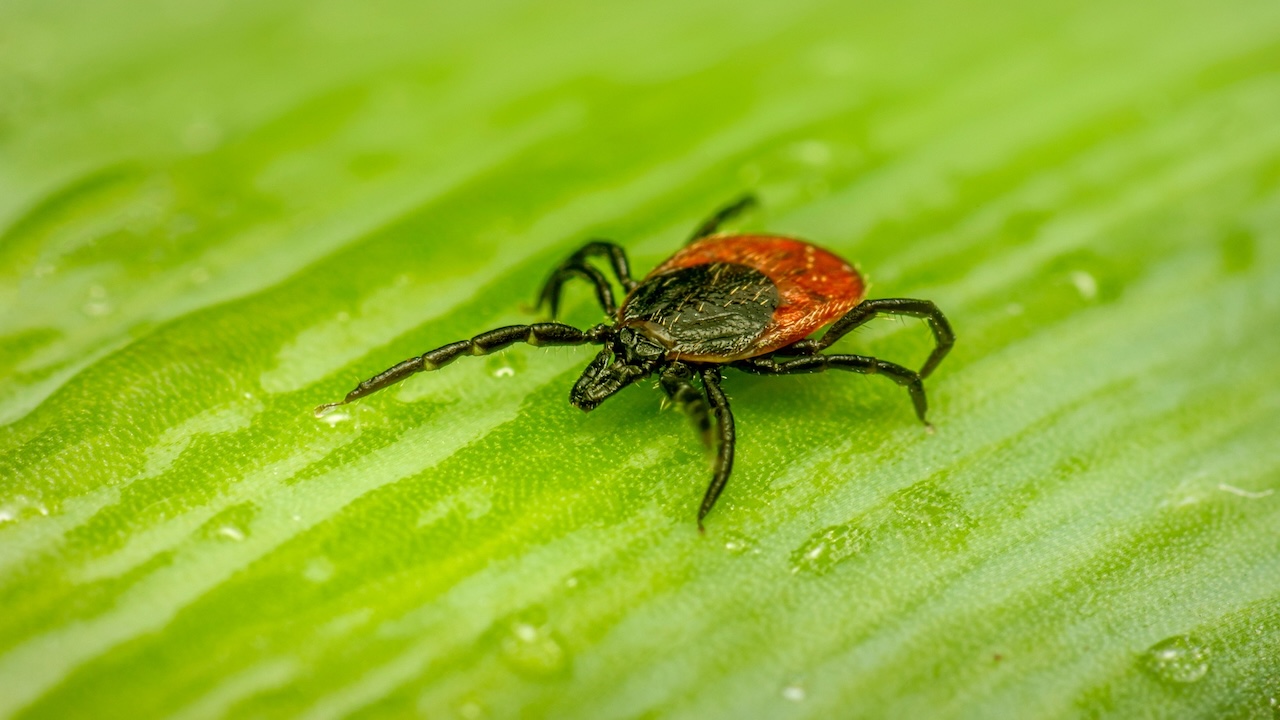
The primary culprit behind most U.S. cases is the Lone Star tick, scientifically known as Amblyomma americanum. Recognizable by the distinctive white spot on the female’s back, this aggressive tick species was once limited to the southeastern United States but has expanded its range dramatically.
When a Lone Star tick feeds on a human, it doesn’t just take blood. It injects saliva containing the carbohydrate molecule alpha-gal (galactose-alpha-1,3-galactose) into the bloodstream. This sugar, common in most mammals, becomes the trigger for a misguided immune response in sensitized individuals.
Humans and other Old World primates lost the gene responsible for producing alpha-gal approximately 28 million years ago. As a result, our immune systems view the molecule as foreign when introduced through a tick bite. The body responds by producing IgE antibodies specifically targeted against alpha-gal.
These antibodies remain circulating in the blood. The next time alpha-gal enters the system—typically from eating beef, pork, lamb, or other mammalian meat—the immune response fires aggressively, releasing histamine and other inflammatory mediators.
Unlike typical food allergies that strike within minutes, alpha-gal reactions are notoriously delayed. Symptoms often appear three to six hours after consumption because the sugar is absorbed slowly during digestion. This delay frequently causes patients and doctors to miss the connection entirely.
Common symptoms include hives, intense itching, swelling of the lips or throat, severe abdominal pain, nausea, vomiting, diarrhea, shortness of breath, and plummeting blood pressure. In extreme cases, the reaction progresses to full anaphylaxis or cardiovascular collapse.
One of the most tragic documented cases occurred in New Jersey in summer 2024. A 47-year-old man suffered multiple itchy bites around his ankles while camping. He dismissed them as chigger bites and later ate a hamburger for dinner. Hours afterward, he collapsed in his bathroom and could not be revived.
The case remained a medical mystery until allergist Dr. Thomas Platts-Mills, the researcher who first identified alpha-gal syndrome, reviewed the autopsy and testing. It became the first confirmed fatality directly linked to AGS triggered by mammalian meat consumption.
The evolutionary precision of this allergy is remarkable. Alpha-gal is present in non-primate mammals including cows, pigs, sheep, deer, rabbits, and goats. Birds, fish, reptiles, and amphibians never produced this sugar, making chicken, turkey, eggs, and seafood safe options for most patients.
Many individuals with AGS must also eliminate or strictly limit dairy products, as milk and cheese contain mammalian proteins that can trigger reactions in sensitive people. This further restricts an already narrowed diet, often leaving patients “down to eggs” and plant-based proteins.
Hidden dangers extend far beyond the dinner plate. Gelatin in gummies, marshmallows, and medication capsules can provoke symptoms. Even certain drugs, such as the cancer treatment cetuximab manufactured in mouse cell lines, have caused severe or fatal reactions in alpha-gal patients.
Pig-derived heart valves used in cardiac surgery and some forms of heparin have also triggered dangerous responses in the operating room. Patients must alert all healthcare providers about their condition before any procedure.
Public health data reveals the growing scope of the problem. The CDC has logged over 110,000 suspected or lab-confirmed cases between 2010 and 2022, with estimates suggesting as many as 450,000 Americans may be affected. Because AGS is not a nationally reportable condition, many cases fly under the radar.
A major 2025 analysis of over 114 million patient records showed mammalian meat allergy diagnoses skyrocketed by more than 5,500% in recent years. Awareness remains low outside traditional tick-heavy regions, leading to frequent misdiagnoses as idiopathic anaphylaxis or other conditions.
Dr. Thomas Platts-Mills and his colleagues at the University of Virginia first described alpha-gal syndrome in the early 2000s while investigating unusual reactions to cetuximab. Their groundbreaking work connected the dots between Lone Star tick bites and delayed meat allergies, revolutionizing understanding of this unique condition.
Geographically, the syndrome is spreading rapidly. Once concentrated in the Southeast and South-Central states, Lone Star ticks have established populations across Long Island, Martha’s Vineyard, parts of New England, and into the Midwest. Warmer winters fueled by climate change enable this northward march.
Ecological factors compound the issue. Recovering white-tailed deer populations serve as primary hosts for the ticks, while suburban sprawl and second-growth forests create ideal habitats. Forestry workers and frequent outdoor enthusiasts in these zones show sensitization rates as high as 20-30%.
Living with alpha-gal syndrome demands constant vigilance. Patients meticulously scan ingredient lists, avoid restaurants with unclear cross-contamination risks, and carry epinephrine auto-injectors at all times. Social occasions centered around food become sources of anxiety rather than enjoyment.
Prevention remains the most effective strategy. Using DEET or picaridin repellents, wearing long clothing, performing thorough tick checks after outdoor activities, and treating gear with permethrin can significantly reduce bite risk. Habitat modification and deer management also help control tick populations locally.
As tick ranges continue expanding, public awareness and physician education become increasingly urgent. Anyone experiencing unexplained delayed allergic symptoms after eating red meat, especially following tick bites, should request specific alpha-gal IgE blood testing from an allergist.
This unusual syndrome illustrates how environmental changes can intersect with human biology in unexpected ways. What starts as one small tick bite can rewrite dietary rules for life, serving as both a cautionary tale and a call for greater vigilance in our changing world.
Yes — there are quite a few relevant products available on Amazon for people dealing with Alpha-Gal Syndrome (AGS).
1. Cookbooks (Most Popular Category)These are by far the best-selling items related to AGS because patients desperately need safe, tasty recipes without mammalian meat or dairy.
- The Complete Alpha Gal Allergy Cookbook — Over 150 safe recipes, 30-day meal plans, and shopping lists.
- Alpha Gal Allergy Cookbook 2025 — Step-by-step guides with 100+ mammal-free recipes.
- The Ultimate Alpha Gal Allergy Cookbook by Christiana White and similar titles.
- The Essential Guide to Alpha Gal Syndrome (includes tips + some recipes).
- Other popular ones: Beyond the Bite, Alpha-Gal Syndrome Explained, and various “Living Well with Alpha Gal” titles.
2. Medical Alert Jewelry & Identification
Very practical for emergency situations.
- Alpha-Gal Allergy Medical Alert ID Bracelets (silver adjustable bangles with medical symbols).
- Alpha-Gal Allergy Medical Alert Keychains (stainless steel with engraved pendants).
These help first responders quickly understand the condition in case of anaphylaxis.
3. Epinephrine Carriers & Accessories
- Insulated EpiPen / Auvi-Q carrying cases (important because some patients react severely).
- Keychain alert tags and zipper pulls that say “Alpha-Gal Allergy” or “Carry EpiPen.”
4. General Guides & Survival Books
- The Ultimate Guide to Alpha Gal Syndrome
- Understanding and Managing Alpha-Gal Syndrome
- Living with Alpha-gal Allergy: A Comprehensive Guide
In the meantime… here’s a top grill for steak while you can still eat it.If you’re savoring red meat before a potential Lone Star tick changes the game forever, treat yourself to the Weber Genesis E-325 or Weber Spirit E-425. These gas grills deliver restaurant-quality searing with powerful burners that create perfect crusts on ribeyes, filets, and burgers. Fast preheat, even heat, and excellent temperature control make them favorites for steak lovers in 2026.
Get your fill while you can — because after one bad tick bite, that juicy steak might be off the menu for life.
 The Hidden Garden Hero: How Eucalyptus Soap Could Wipe Out Your Tick Nightmare Overnight
 To Block The Carcinogens, Add A Touch Of Rosemary When Grilling Meats
 Spicing the meat also cuts the cancer risk, research suggests
 Balsam fir needles can kill ticks that cause Lyme disease