
In a world where busy schedules often leave us glued to our desks or couches after eating, a simple tweak to your routine could yield profound health benefits. Imagine transforming your post-meal slump into an opportunity for better metabolic health—just by lacing up your shoes and stepping out for a short stroll.
As we navigate 2026, with growing emphasis on longevity, inflammation reduction, and everyday habits that combat chronic diseases, this low-effort practice is gaining traction among experts and health enthusiasts alike. Backed by robust research, taking a 10-minute walk after meals isn’t just a feel-good activity; it’s a science-supported strategy to enhance blood sugar control and overall well-being.
The Science Behind Post-Meal Walks
At the heart of this habit lies its impact on blood glucose levels. When you eat, especially meals rich in carbohydrates, your blood sugar spikes as your body processes the food. Prolonged sitting exacerbates these spikes, potentially leading to insulin resistance over time. However, incorporating light activity like walking immediately after eating helps your muscles absorb glucose more efficiently, mitigating those peaks.
A landmark 2022 meta-analysis published in Sports Medicine analyzed seven studies and found that even brief bouts of light-intensity walking—ranging from 2 to 10 minutes—after meals significantly lowered postprandial glucose levels compared to sitting. The review reported an average reduction in glucose of 17.01% with intermittent walking throughout the day, far outperforming standing alone (which reduced it by about 9.51%). These effects were particularly notable in individuals with impaired glucose tolerance, but the benefits extend to most adults, often lowering blood sugar by 10–30% or more in the hours following a meal.
More recent studies build on this foundation. For instance, a 2023 systematic review in Sports Medicine emphasized that exercising right after a meal—such as walking—reduces postprandial glucose excursions more effectively than pre-meal activity or delayed exercise. Another 2025 study highlighted how a 10-minute walk immediately after glucose intake not only blunts spikes but also stabilizes overall blood sugar, making it a practical tool for hyperglycemia management.
Key Health Benefits
Beyond blood sugar, this habit supports broader metabolic and cardiovascular health:
- Improved Insulin Sensitivity and Diabetes Prevention: Regular post-meal walks enhance how your body responds to insulin, reducing the risk of type 2 diabetes. Organizations like the American Diabetes Association endorse such micro-movements for their cumulative effects on glycemic control.
- Appetite Regulation and Digestive Aid: Walking stimulates digestion, helping regulate hormones like ghrelin and leptin that control hunger. It can also alleviate bloating and improve gut motility, tying into 2026 trends around gut health.
- Cardiovascular Perks: Over time, these strolls contribute to modest reductions in blood pressure and better cholesterol profiles, lowering heart disease risks. A 2026 health tip from experts, including anti-aging advocate Bryan Johnson, notes that 10 minutes of walking post-meal can slash blood fat (triglycerides) by up to 72% and support heart health.
- Overall Longevity Boost: In line with current discussions on metabolic health, this practice combats inflammation and adds up to significant calorie burn when done consistently—without the need for intense workouts.
Making It a Habit: Practical Tips for Busy Lives
The beauty of this tidbit is its accessibility—no gym membership or fancy gear required. Here’s how to integrate it seamlessly:
- Start Small: Aim for 10 minutes after lunch or dinner. If that’s too much, even 2–5 minutes counts, as per the research.
- Set Reminders: Use your phone or smartwatch to ping you right after meals. Apps focused on habit-building can track your streaks.
- Combine with Daily Life: Turn it into family time by strolling with loved ones, or use it for a quick office loop. In urban settings, walk around the block; at home, pace your living room or backyard.
- Timing Matters: For optimal results, start within 30–60 minutes of eating, when glucose levels are rising.
Recent 2026 coverage, such as in UCLA Health articles and expert roundups, reinforces that “even a little movement” like this outperforms perfectionism in long-term health gains. It’s a free, evidence-based upgrade to your routine amid rising awareness of chronic disease prevention.
Why This Matters in 2026
As we prioritize sustainable wellness over fleeting fads, post-meal walking stands out for its simplicity and solid backing. Unlike unproven trends, it’s endorsed by diabetes prevention groups and lifestyle medicine experts. Whether you’re managing blood sugar or just seeking better energy levels, this 10-minute habit could be your gateway to enhanced metabolic health. Next time you finish a meal, skip the scroll—opt for a stroll instead. Your body will thank you.
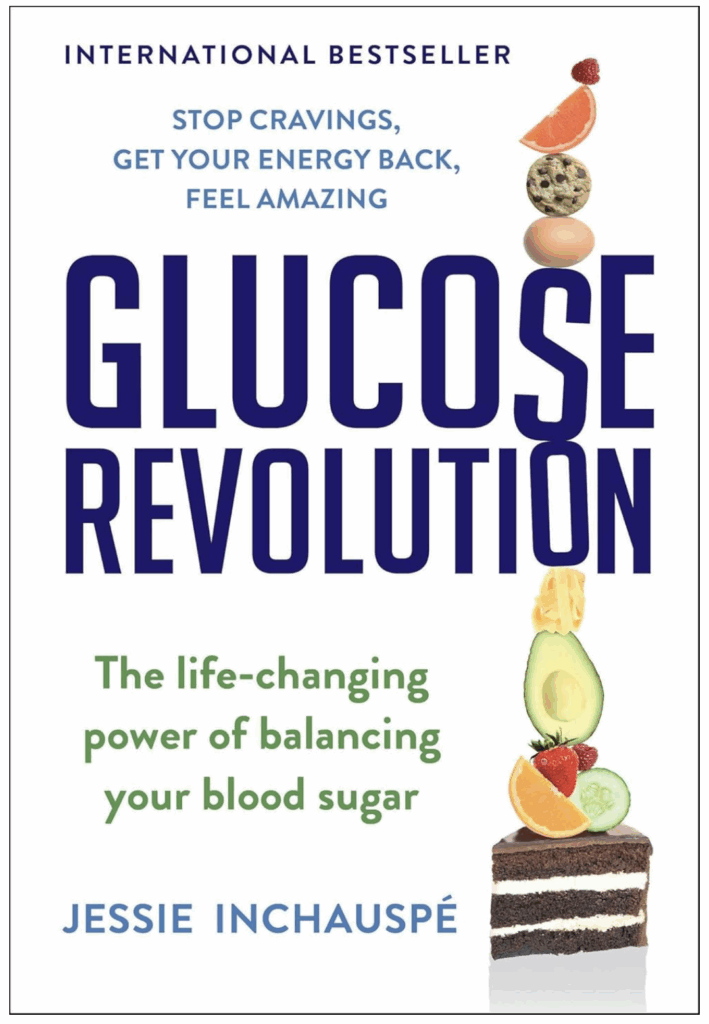
A highly recommended Amazon book that aligns perfectly with the topic of taking short post-meal walks to improve blood sugar control, reduce glucose spikes, and support metabolic health is Glucose Revolution: The Life-Changing Power of Balancing Your Blood Sugar by Jessie Inchauspé (also known as the Glucose Goddess).
This bestselling book (consistently topping Amazon’s diabetes and blood sugar management categories as of 2026) draws on science to explain how everyday habits—like walking after meals—can dramatically flatten glucose spikes without restrictive diets. Inchauspé, a biochemist, dedicates attention to the power of movement right after eating, noting that even 10–20 minutes of walking can reduce post-meal glucose spikes by up to 27% or more, helping with energy, cravings, mood, sleep, and long-term risks for type 2 diabetes and related conditions. It’s packed with practical, evidence-based “hacks” that make the science accessible and actionable for busy people—no major overhauls required.
Key reasons it fits your article’s subject so well:
- It emphasizes simple, free interventions like post-meal movement, backed by research on postprandial glucose regulation.
- Readers and reviews frequently highlight the walking tip as a game-changer for steady blood sugar and overall well-being.
- It ties into broader metabolic health, longevity, and preventing chronic diseases, much like the 2022 Sports Medicine meta-analysis and current trends in 2026 wellness discussions.
You can find it on Amazon here (with multiple formats available, including hardcover, paperback, Kindle, and audiobook): Glucose Revolution on Amazon.
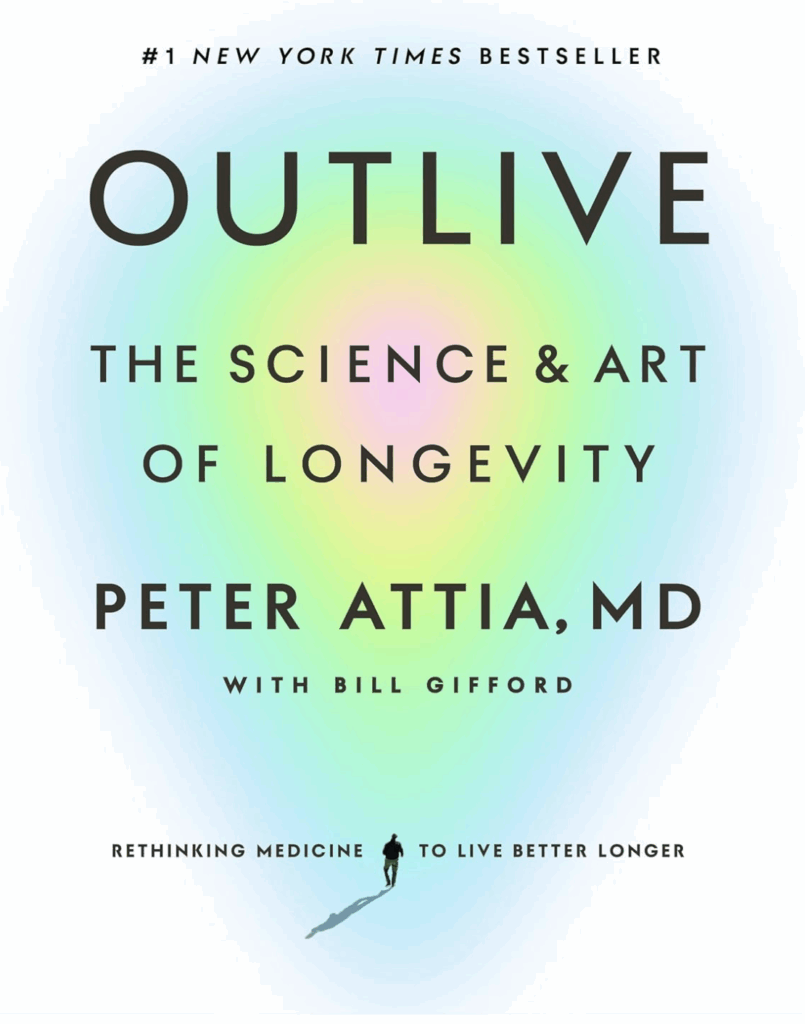
If you’re looking for something more focused on exercise and longevity (with nods to movement for metabolic benefits), Outlive: The Science and Art of Longevity by Peter Attia MD is another strong option. It covers exercise as a “pro-longevity drug,” including strategies for optimizing daily activity to combat insulin resistance and chronic disease risks—though it’s broader than just post-meal walks.
 Hormone-Balancing Organic Meals: Simple Recipes to Support Women’s Health
 WHO advises not to use non-sugar sweeteners for weight control
 Non-nutritive sweeteners affect human microbiomes and can alter glycemic responses
 How a deadly fungus evades the immune system