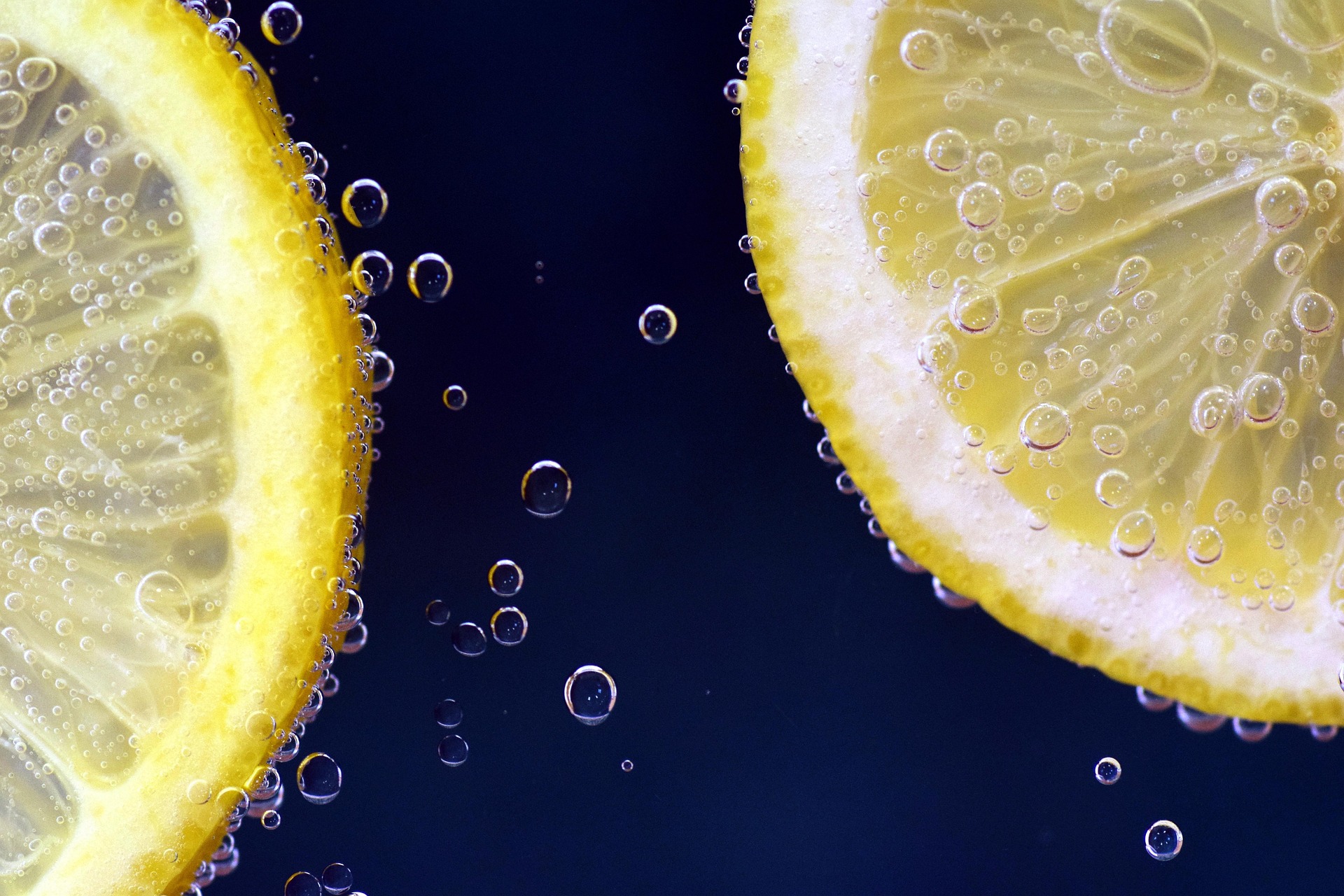
Kidney stones affect millions of people worldwide, causing intense pain and often requiring medical intervention. The most common type—calcium oxalate stones—forms when calcium binds with oxalate in the urine, creating crystals that can grow into hard deposits. While factors like dehydration, high-sodium diets, and genetics play roles, emerging research highlights a simple, accessible dietary strategy: incorporating lemons or lemon juice into your routine.
Lemons are exceptionally rich in citric acid, which metabolizes into citrate in the body. Citrate acts as a powerful natural inhibitor of kidney stone formation. It binds to calcium in the urine, reducing the supersaturation that leads to crystal formation, and it can also prevent small crystals from growing or aggregating into larger stones. Unlike some medications, this approach comes from a natural food source with additional benefits like added fluid intake and antioxidants.
Multiple studies support the protective effects of lemon juice. Clinical research has shown that consuming lemon juice increases urinary citrate levels significantly without raising oxalate (a stone-promoting compound). For instance, prospective trials and reviews indicate that regular lemon juice intake can raise citrate excretion, lower the risk of calcium oxalate crystal formation, and in some cases, reduce stone recurrence rates. One randomized trial involving patients with recurrent calcium oxalate stones found that supplementing with fresh lemon juice (about 120 mL daily, split into doses) was associated with fewer recurrences compared to standard diet alone, with exploratory analyses suggesting a meaningful preventive effect (hazard ratio around 0.62, though adherence influenced results).
Other investigations compare lemon juice favorably to pharmaceutical options like potassium citrate, showing similar or complementary benefits in boosting citrate and sometimes reducing urinary calcium. Narrative reviews of citrus juices confirm that lemon consistently elevates urinary citrate, contributing to stone prevention, particularly for hypocitraturia (low citrate levels), a common risk factor in about 60% of calcium stone formers.
Recommended Daily Amount
Experts from sources like Harvard Health, the National Kidney Foundation, and urology guidelines suggest practical doses:
- About 4 fluid ounces (roughly 120 mL) of lemon juice per day, diluted in water (equivalent to the juice of about 2 medium lemons).
- Some studies used 60 mL twice daily (total 120 mL) or ½ cup of concentrate diluted.
- Other recommendations range from 3 ounces (around 90 mL) to the juice of two to three lemons spread throughout the day.
Dilute the juice in plenty of water to make it palatable and contribute to overall hydration—aim for at least 2–2.5 liters of total fluid daily, as increased urine volume alone can cut stone risk by up to 50%.Opt for fresh-squeezed lemon juice or 100% lemon products without added sugars. Sugary lemonade can counteract benefits by increasing calories or potentially affecting urine parameters negatively—diet or low-sugar versions are preferable.
Additional Tips and Considerations
Combine lemon consumption with other proven strategies:
- Stay well-hydrated (urine should be light yellow or clear).
- Limit sodium and animal protein.
- Maintain normal calcium intake (don’t restrict dairy excessively, as low calcium can paradoxically increase risk).
Lemon juice is generally safe, but those with acid reflux, dental concerns (rinse mouth after or use a straw), or specific stone types (e.g., very high urine pH) should consult a doctor. A 24-hour urine test can personalize advice, as not everyone needs extra citrate.
In summary, regular lemon consumption—through diluted juice or lemonade—offers a evidence-backed, low-cost way to boost urinary citrate and meaningfully lower kidney stone risk, especially for calcium oxalate types. While not a cure-all, it’s a refreshing addition to a stone-prevention lifestyle that many find easier to sustain than pills alone. Always discuss major dietary changes with a healthcare provider, particularly if you have a history of stones.
Here are some highly relevant and well-regarded book recommendations that cover kidney stone prevention, with a focus on dietary strategies like increasing citrate intake through lemon juice (or citrus), hydration, low-oxalate eating, and natural approaches. These draw from expert-backed guides and patient-oriented resources.
Click on book covers to purchase the books on Amazon right now!
No More Kidney Stones: The Experts Tell You All You Need to Know about Prevention and Treatment by John S. Rodman MD, R. Ernest Sosa MD, and Cynthia Seidman MS RD
This is one of the most frequently recommended comprehensive books on the topic. Written by urologists and a dietitian, it dives deeply into prevention through diet, including the role of citrate-rich foods like lemons to raise urinary citrate levels and inhibit calcium oxalate stones. It covers lifestyle changes, fluid intake, and evidence-based tips to reduce recurrence. Highly praised for being practical and authoritative.

Even Urologists Get Kidney Stones: An Essential Guide To Kidney Stone Treatment and Prevention by E. Douglas Whitehead MD (or similar title by Goldfischer in some editions)
Authored by a urologist who has experienced stones personally, this guide offers straightforward, in-depth advice on causes, treatments, and especially prevention. It emphasizes dietary interventions, including citrus/lemon for citrate boosting, along with hydration and avoiding triggers. Great for readers wanting a personal, expert perspective.

The Kidney Stones Handbook: A Patient’s Guide to Hope, Cure and Prevention by Gail Golomb
A classic patient-focused resource that explains the science simply and provides actionable prevention steps. It includes dietary recommendations, with citrus juices highlighted for their citrate benefits in preventing stone formation. It’s empowering for those managing or avoiding recurrence.

56 Kidney Stone Preventing Juice Recipes: Juice Your Way to a Healthier and Happier Life by Joe Correa
If you’re specifically interested in lemon-based or citrus juice strategies (aligning with the article’s emphasis on lemon consumption), this recipe-focused book offers practical juicing ideas loaded with antioxidants and citrate sources to support urinary tract health and stone prevention. It’s a hands-on companion for incorporating lemon juice daily.

Living with Kidney Stones: Complete Guide to Risk Factors, Symptoms & Treatment Options by Samantha Bowick and David Brandli MD
This modern guide covers risk factors and prevention holistically, including natural dietary tactics like lemon water to increase citrate and fluid volume. It’s clear, up-to-date, and useful for understanding how simple changes can make a big difference.

For the strongest emphasis on lemon/citrate mechanisms, start with No More Kidney Stones—it’s widely regarded as a top expert resource and frequently appears in recommendations for evidence-based prevention. Always cross-reference dietary advice with your doctor, especially if you have a specific stone type or medical history.
Kidney stones are excruciating—anyone who’s had one wants to avoid a repeat. In this hands-on experiment from PBS Reactions, host Alex Dainis creates homemade kidney stones and tests popular prevention methods to see what really works. Citrate is a doctor-recommended inhibitor that binds calcium in urine to block crystal formation. But does a splash of lemon in water provide enough? How does it stop stones from forming? And are all citrus juices equal—does orange, grapefruit, or even grape juice outperform lemon? Watch below as she runs the chemistry experiments and shares the surprising results.
 A daily fish oil supplement slashed serious heart risks in dialysis patients
 Vitamin D twice a day may keep vertigo away
 Blood metabolites associated with coffee consumption may affect kidney disease risk
 Researchers propose new treatment to prevent kidney stones