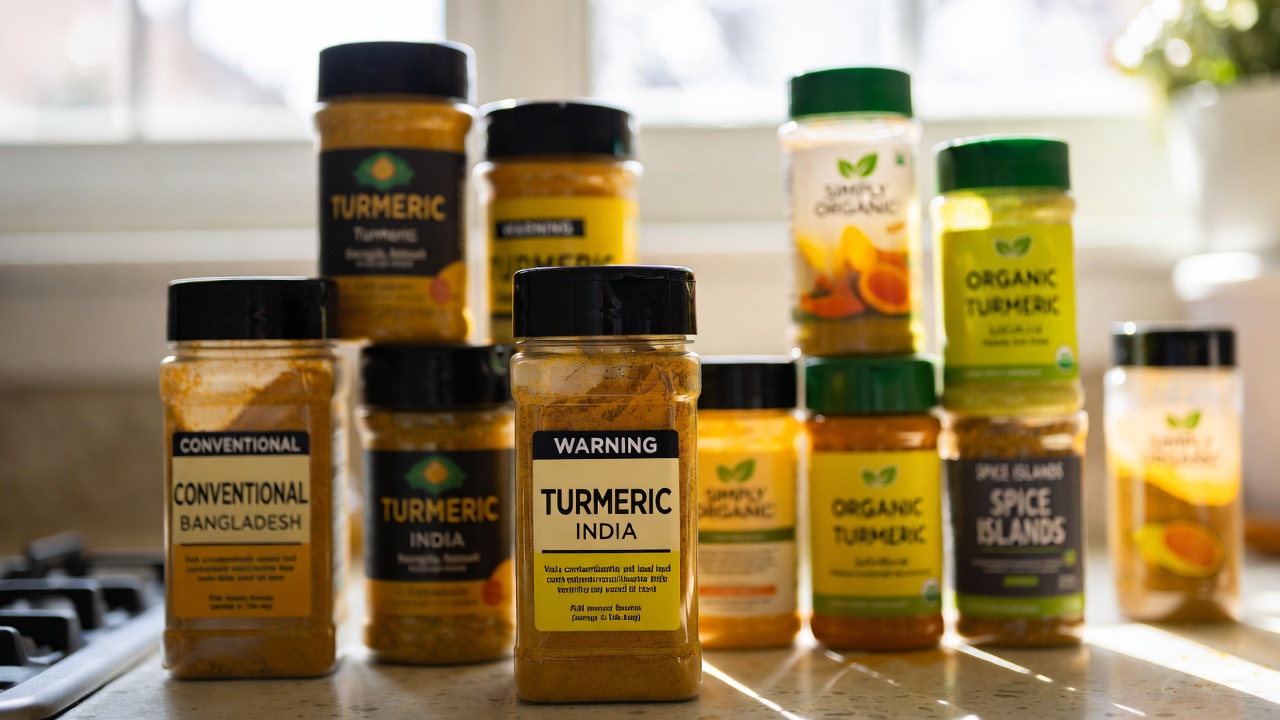
Turmeric, the vibrant yellow spice celebrated for its anti-inflammatory properties and use in everything from curries to golden milk lattes, has a hidden downside that many consumers overlook: lead contamination. While turmeric itself doesn’t naturally absorb high levels of lead from soil, intentional adulteration—particularly with lead chromate, a toxic industrial pigment—has turned some batches into silent health hazards. Recent studies and reports highlight that this issue persists more prominently in conventional (non-organic) turmeric from certain regions, while certified organic options often present a lower risk.
The Root of the Problem: Adulteration with Lead Chromate
In major turmeric-producing countries like Bangladesh and India, unscrupulous processors have historically added lead chromate (PbCrO₄) to ground turmeric. This bright yellow compound enhances color, masks impurities, adds weight, and boosts profits. Unfortunately, it also introduces dangerously high levels of lead—sometimes hundreds of parts per million (ppm), far exceeding safe limits.A 2024 study published in Science of the Total Environment documented evidence of lead chromate adulteration across South Asia, with some samples in Indian cities showing lead levels over 200 times above food safety guidelines set by bodies like the FSSAI (India’s food authority) and WHO. In Bangladesh, where the practice was once widespread, public health campaigns and enforcement reduced adulteration significantly by the mid-2020s—leading to sharp drops in contaminated exports.
However, lapses and supply chain variability mean risks remain, especially in non-regulated or low-cost imports.Lead exposure is particularly concerning because it’s cumulative. Even low chronic doses can affect neurological development in children, raise blood pressure in adults, and contribute to kidney issues. The U.S. FDA lacks strict spice-specific lead limits (often referencing candy benchmarks around 0.1 ppm), but imported spices remain a notable exposure source for some populations, including children.
Conventional vs. Organic: Does Certification Make a Difference?
Conventional turmeric—grown without organic restrictions—is more vulnerable to adulteration in less-regulated supply chains. Processors may prioritize appearance and cost over safety, increasing the chance of lead chromate addition. Organic turmeric, certified under standards like USDA Organic, prohibits synthetic additives, certain pesticides, and processing aids that could introduce contaminants. Certification emphasizes cleaner sourcing and traceability, which reduces (though doesn’t eliminate) the risk of intentional adulteration.That said, organic isn’t a perfect shield. Heavy metals like lead can occur naturally from contaminated soil or water, and organic certification doesn’t mandate routine heavy metal testing. Some reports note that both organic and conventional spices can show elevated levels depending on origin. For instance, discussions in health communities (e.g., on Reddit) point out that spices from regions with polluted soils—common in parts of India—may carry trace metals regardless of organic status. Independent testing provides the clearest picture. Consumer Reports’ influential 2021 investigation of herbs and spices (including turmeric) found that about one-third of products raised health concerns due to arsenic, cadmium, or lead. Many conventional or unbranded imports fell into higher-risk categories, while several established organic brands tested low or undetectable for concerning levels.
Brands That Test Well: Spotlight on Simply Organic and Alternatives
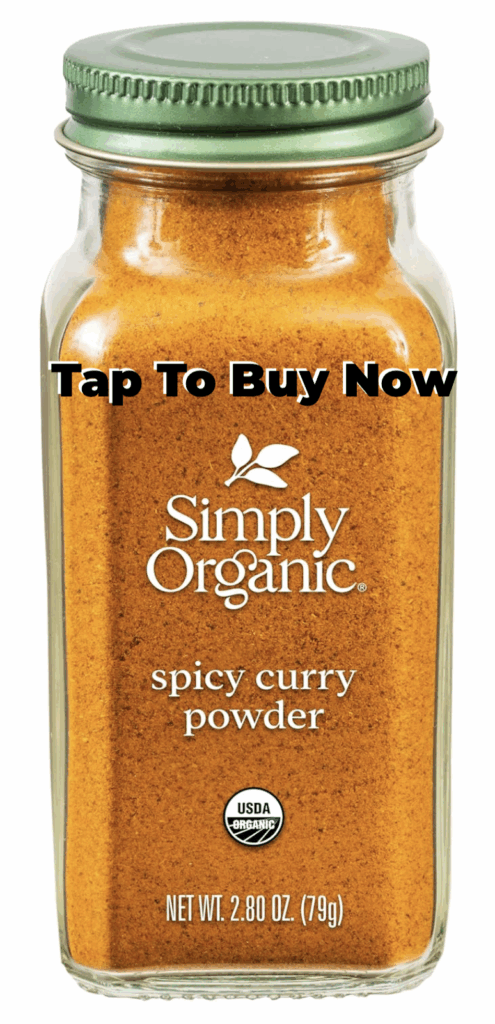
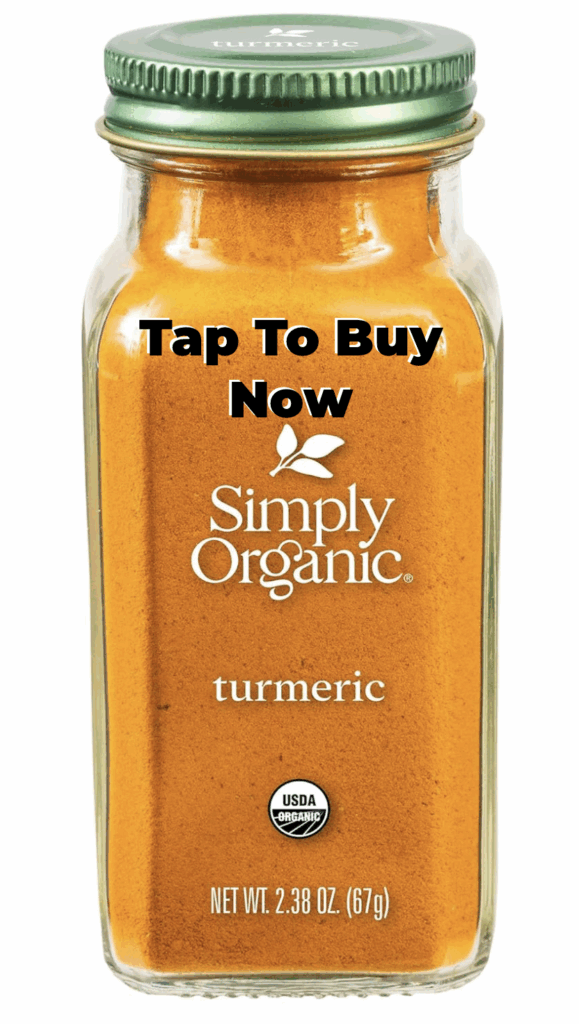
Among the standouts in various reports is Simply Organic Turmeric. In Consumer Reports’ testing, it fell into the “No Concern” category for combined heavy metals, alongside brands like Spice Islands, Sadaf, Badia, and Laxmi. Simply Organic (part of Frontier Co-op) emphasizes quality sourcing, in-house testing, and adherence to stricter standards, making it a reliable choice for organic turmeric. Other brands have also performed well in spot checks:
- Spice Islands Turmeric
- Certain Whole Foods 365 Organic products (low in related spice tests)
- Brands that publish third-party lab certificates of analysis (COAs) for heavy metals
Recent 2024–2025 sources stress that third-party testing trumps organic labeling alone. Reputable companies provide batch-specific results showing lead below safe thresholds (ideally under 0.5–1 ppm or lower). Look for these on brand websites or request them directly.
How to Minimize Your Risk
To enjoy turmeric safely:
- Choose certified organic from trusted brands with transparent testing.
- Opt for whole roots over pre-ground powder when possible—adulteration is harder to hide in fresh rhizomes.
- Buy from brands that share COAs for heavy metals (e.g., lead, arsenic, cadmium).
- Grind your own from whole turmeric for maximum control.
- Limit intake if using large amounts daily (e.g., in supplements or high-curcumin products).
- Test at home cautiously—simple water dispersion tests can flag obvious adulteration (natural turmeric yields a light yellow tint; adulterated versions turn water intensely bright), but they’re not definitive for low-level contamination.
The good news? Progress is happening. Bangladesh’s successful crackdown on lead chromate shows that awareness, regulation, and consumer demand can drive change. By choosing tested, reputable brands—especially organic ones like Simply Organic—you can continue reaping turmeric’s benefits with far less worry.Your spice rack doesn’t have to be a source of hidden toxins. With informed choices, the golden spice can stay golden in more ways than one.
 Warding off superbugs with a pinch of turmeric
 Fix Your Toxic Home and Live Longer
 Arsenic, Lead and Other Toxic Contaminants in 95% of Baby Foods Tested
 Curry: Curcumin offers potential therapy for cancers caused by HPV