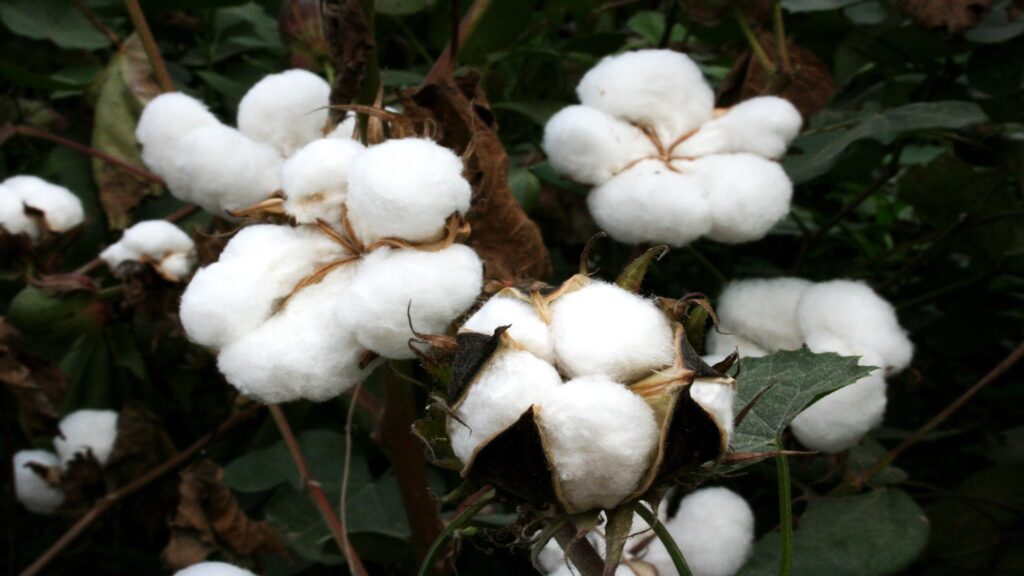
The FDA has approved a new protein-packed source of food for human consumption that tastes like chickpeas, but that doesn’t mean you should be lining up to buy it.
The new food is genetically modified cottonseed, and proponents are claiming it could solve world hunger – a pretty typical empty promise that has been made about many GMO foods before it, yet world hunger persists.
Cotton plants and their seeds normally contain a toxic organic compound called gossypol, which can damage human red blood cells, causing anemia and death in people who consume it. It can also cause irreversible infertility in men, which has even led to it being explored as a potential male contraceptive.
The seeds are used for cattle and sheep feed as animals with multiple stomach chambers can safely eat them.
Recently, a group of researchers at Texas A&M University genetically engineered a variety of cotton known as TAM66274 that does not contain gossypol, which they say makes the seeds safe to eat. The compound can still be found in the rest of the plant to help it retain its natural protection against pests and disease. The new variety can also still produce cotton fiber normally.
Professor Keerti Rathore said: “In 2014, cotton growers produced about 47 million tons of cotton seeds. Those seeds contained more protein than the 1.27 trillion eggs produced globally that same year!”
Rathore said that they were aiming for the plant to be made available commercially within the next few years and that they would also be seeking regulatory approval in other countries, such as Mexico.
The researchers are hoping that the unappetizingly-named TAM66274 can serve as a cheap and abundant protein source to people around the world and give farmers another revenue stream.
Cotton plants produce high volumes of seeds, with every pound of cotton fiber coming with around 1.6 pounds of seeds. In other words, the plant yields more seeds than lint. Each one is around the size of a small peanut.
They’ve removed the toxin – but at what price?
Of course, while taking out the gossypol may solve the toxicity problem, the fact that these seeds are genetically modified means you probably shouldn’t eat them anyway. There are several issues here, but one of the biggest concerns is that GMO technology can be a bit unpredictable and more gossypol could be remaining in some of the seeds than believed, leading to unintentional exposure and the associated health dangers.
In addition, there has not been any toxicity testing of the GMO cotton yet, and there is also the potential that some of the genes in the GM cotton could produce strains of bacteria that are antibiotic-resistant.
On top of that, GMO cottonseed is made using RNA interference, which silences the expression of certain genes – in this case, the one for gossypol in the plant’s seeds. The molecules involved in RNA interference can survive human digestion and could alter gene expression in other areas of the body. Gene expression alterations have been linked to accelerated aging, cancer and increased oxidative stress. In addition, cotton farmers historically use a lot of pesticides, such as Roundup.
 Google’s 32 Million Mosquito Experiment: Biotech Breakthrough or Backyard Gamble?
 The Pink Pineapple and the GMO Illusion: Why Corporate Self-Testing Should Alarm Every Organic Advocate
 Shocking Glyphosate Levels in Popular Bread: Florida’s Eye-Opening Food Testing Report
 Insecticides from genetically modified corn are present in adjacent streams