
In the world of medical breakthroughs, few discoveries taste as sweet—or seem as delightfully improbable—as the day researchers at the University of California, San Francisco, proved that something as simple and indulgent as cocoa could supercharge the body’s natural repair system. Picture this: older men battling coronary artery disease, their blood vessels stiff and struggling, suddenly experiencing a surge in the very stem-like cells tasked with healing those damaged arteries. No surgery. No experimental drugs. Just two cups of a specially formulated cocoa drink each day.
The year was 2010, and cardiologists at UCSF were deep into a randomized, controlled trial that would rewrite what we thought we knew about everyday foods and regenerative medicine. Led by researchers including Yerem Yeghiazarians, MD, the team recruited 16 patients with established heart disease, all around 64 years old on average. These were real people living with the daily reality of narrowed arteries and reduced blood flow—prime candidates for the kind of vascular repair the body often struggles to perform on its own as we age.
For 30 days, the volunteers followed a crossover protocol that felt more like a delicious experiment than clinical drudgery. Half the time they sipped a high-flavanol cocoa beverage delivering a potent 375 milligrams of flavanols per serving—twice daily. The other half, they drank a taste-matched low-flavanol version with just 9 milligrams. No one knew which was which. Blood samples were drawn, arteries were tested for flexibility, and blood pressure was meticulously tracked. It was science at its most elegant: using nature’s own compounds to see if the body could heal itself from within.
The results stunned even the researchers. In the high-flavanol group, levels of circulating angiogenic cells—also known as endothelial progenitor cells or CACs—skyrocketed. These are the stem-like warriors that patrol the bloodstream, homing in on damaged blood vessel walls to patch them up, promote new vessel growth, and restore healthy circulation. Compared to the low-flavanol phase, the high-flavanol cocoa triggered a 2.2-fold increase in these critical cells. That’s more than double the stem cell mobilization seen in the control period.
What made the finding even more remarkable was how it stacked up against proven therapies. The boost in stem cell circulation was comparable to what patients experience with statin drugs or major lifestyle overhauls like regular exercise and quitting smoking. At the same time, the participants’ endothelial function—the arteries’ ability to relax and expand—improved dramatically, and systolic blood pressure dropped noticeably. It wasn’t just a cellular numbers game; the vessels themselves were getting functionally younger.
This wasn’t hype from a supplement company or a fleeting lab curiosity. It was a peer-reviewed clinical trial published in the Journal of the American College of Cardiology, showing for the first time that dietary flavanols could directly mobilize the body’s own regenerative stem cells in people who needed it most. The “amazing story,” as it quickly became known in regenerative health circles, turned a guilty pleasure into a legitimate ally in the fight against heart disease.
The secret weapon? Flavanols—powerful plant compounds abundant in unprocessed cacao beans. These polyphenols act like biochemical conductors: they ramp up nitric oxide production to improve blood flow, shield cells from oxidative stress, and signal the bone marrow to release more progenitor cells into circulation. In the UCSF study, the high-flavanol cocoa didn’t just increase the quantity of these cells; it preserved their quality, allowing them to survive, migrate, and repair effectively.
Of course, not every chocolate bar delivers the goods. Commercial processing, Dutching, and added milk or sugar can slash flavanol levels dramatically. The study used a specially prepared, high-cacao cocoa drink—think 70–85% dark chocolate or unsweetened cocoa powder in its purest form. Later research, including large-scale trials like COSMOS, reinforced that consistent flavanol intake from cocoa sources supports cardiovascular health and may even lower the risk of heart-related events.
Experts like Dr. William Li have popularized the finding, noting how flavanols help stem cells “migrate to sites of repair and regeneration throughout the body.” It’s a reminder that food isn’t just fuel—it can flip switches in our biology. Yet the researchers were quick to caution: this isn’t a magic bullet or replacement for medical care. It works best alongside standard treatments, a heart-healthy diet, and exercise.
Today, the story continues to inspire. While more research is underway on broader applications—from brain health to aging— the UCSF trial remains a landmark. It proves that sometimes the most profound medicine comes in the simplest package: a warm, rich cup of cocoa that doesn’t just delight the senses but awakens the body’s hidden army of stem cells. So the next time you reach for a square of high-quality dark chocolate, remember—you might just be giving your arteries a microscopic tune-up, one delicious flavanol at a time.
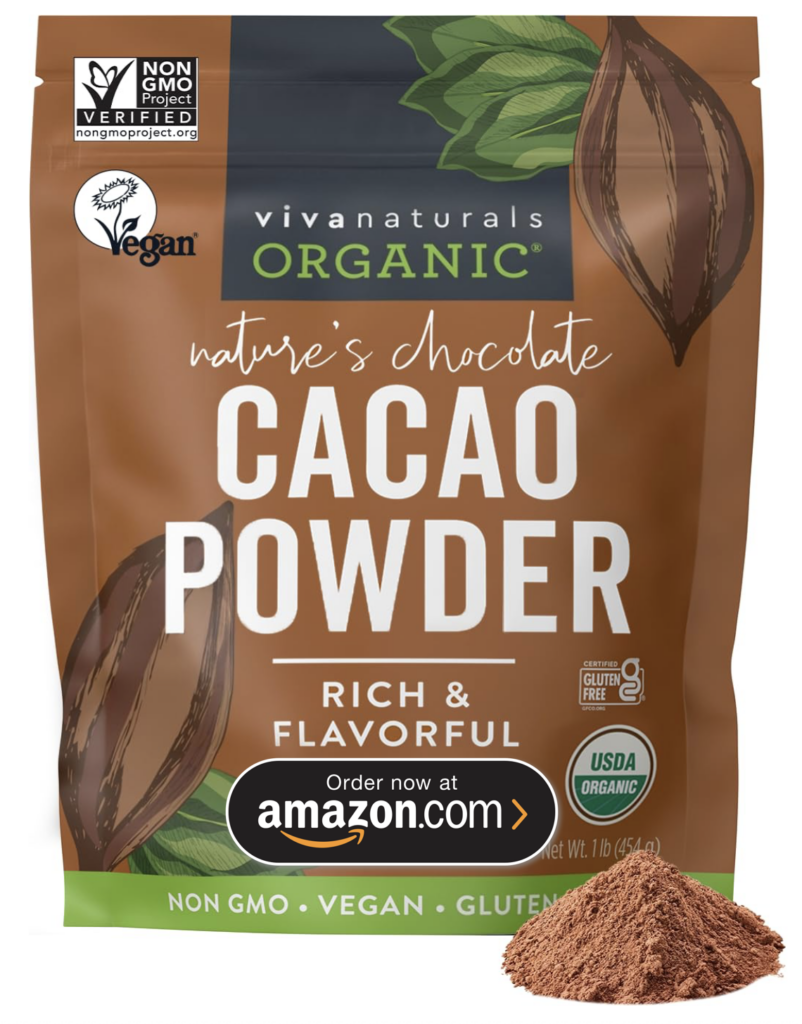
It’s important to note that not all chocolate delivers the same benefits. Most experts and videos discussing this research strongly emphasize choosing high-cacao dark chocolate (70–85% cacao or higher) or unsweetened cocoa powder, which retain the highest levels of beneficial flavanols. These powerful plant compounds are largely responsible for the stem cell mobilization observed in the UCSF study. In contrast, regular milk chocolate and highly processed commercial dark chocolates often contain far lower amounts of flavanols due to heavy processing, added sugar, milk solids, and alkalization (Dutch processing), which can destroy up to 90% of the active compounds.
For the best results, look for chocolate labeled as “high-flavanol,” “raw,” or “minimally processed.” Many researchers recommend unsweetened cocoa powder mixed into hot water or low-fat milk as the closest match to the beverage used in the clinical trial (approximately 375 mg of flavanols per serving, twice daily). While enjoying an occasional square of premium 70–85% dark chocolate can still offer some benefits, the dramatic stem cell and vascular improvements seen in the study came from consistent, concentrated intake of high-flavanol cocoa — not the average candy bar. This distinction is repeatedly highlighted in scientific discussions and popular health videos to ensure readers understand how to translate the research into real-world choices.
Top Book Recommendation
Eat to Beat Disease: The New Science of How Your Body Can Heal Itself by Dr. William Li
- This is the most relevant and popular book. Dr. Li directly references the UCSF study on high-flavanol cocoa doubling circulating stem cells in heart patients. He explains how dark chocolate acts as a “stem cell-recruiting food” that mobilizes repair cells, improves blood vessel function, and supports regeneration.
- It’s highly accessible, science-backed, and places dark chocolate among other powerful “food as medicine” examples.
- Available on Amazon in hardcover, paperback, audiobook, and Kindle formats.
- Many readers and videos cite this book when talking about the chocolate/stem cell story.
Second Strong Option
Eat to Beat Your Diet: Burn Fat, Heal Your Metabolism, and Live Healthier Longer by Dr. William Li
- The follow-up to the first book. It continues the theme of using enjoyable foods (including dark chocolate) to activate healing pathways, including stem cell mobilization and metabolic health.
- Good if you want more practical advice on incorporating high-cacao chocolate into daily routines.
Top Recommendation: CocoaVia
CocoaVia (especially their Cardio Health or Memory+ formulas) stands out as the most science-backed option. It uses the patented Cocoapro™ extract, which provided the exact type and dose of cocoa flavanols (around 500 mg per serving) used in major trials, including the large-scale COSMOS study. Many experts and independent testers (like ConsumerLab) highlight its high flavanol concentration, reliable labeling, and lower heavy metal levels compared to standard cocoa powders.
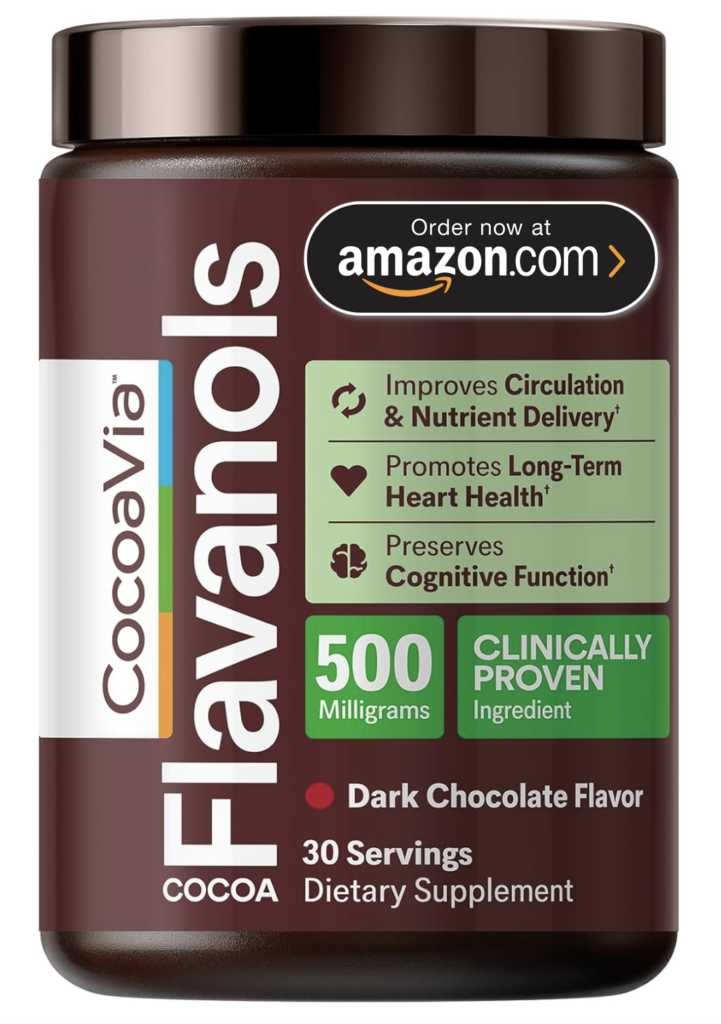
- Available as powder (mix into drinks) or capsules.
- Vegan, gluten-free, no added sugar.
- Best for consistent daily use to mimic the benefits seen in heart patients (vascular repair and stem cell support).
- Often praised for purity and third-party testing.
 The Heart’s Invisible Guardian: How Nitric Oxide Transforms Blood Flow, Tames Blood Pressure, and Delivers Critical Oxygen – Backed by Cutting-Edge Research
 Cocoa Flavanols Show Promise in Supporting Cardiovascular Health
 Lipid researcher, 98, reports on the dietary causes of heart disease
 One avocado a day helps lower ‘bad’ cholesterol for heart healthy benefits