
Tomatoes rank among the most popular produce items worldwide due to their versatility and nutrient density. Botanically they qualify as fruits yet cooks treat them as vegetables in countless dishes. A medium tomato delivers water, vitamin C, potassium, and fiber with very few calories. These components support hydration and basic metabolic needs. Regular inclusion of tomatoes in meals contributes to overall dietary quality without excess energy intake.
The bright red color of ripe tomatoes comes largely from lycopene, a carotenoid with strong antioxidant properties. Laboratory work shows lycopene neutralizes free radicals that can damage cells. Cooking tomatoes in a small amount of oil improves the body’s ability to absorb this compound. Raw tomatoes still supply useful amounts along with other phytonutrients. Both forms offer complementary advantages depending on how they are prepared.
Potassium in tomatoes helps maintain healthy blood pressure when consumed as part of a balanced diet. Fiber content supports regular digestion and contributes to feelings of fullness. Vitamin C aids collagen formation and immune function. Folate and vitamin K appear in modest yet meaningful quantities. Together these nutrients make tomatoes a practical everyday food for many people.
Research links higher tomato intake with favorable cardiovascular markers in observational studies. One trial involving unsalted tomato juice noted modest reductions in blood pressure among participants. Whole tomatoes appear more beneficial than isolated supplements according to several reviews. Lycopene and other compounds may influence lipid profiles positively. Consistent consumption fits well within heart-healthy eating patterns recommended by health authorities.
Some studies associate tomato products with lower risk estimates for certain cancers, particularly prostate cancer. Antioxidants in tomatoes have demonstrated activity against cell proliferation in laboratory settings. Evidence remains stronger for dietary patterns rich in fruits and vegetables than for any single food. Cooking concentrates lycopene while preserving many beneficial compounds. People who eat tomatoes regularly often consume more overall plant foods.
Tomato antioxidants show potential to support skin health by reducing oxidative stress from ultraviolet exposure. Carotenoids such as lycopene and beta-carotene accumulate in skin tissue over time. Human and animal research suggests modest improvements in skin parameters with higher intake. Dietary sources work best alongside sun protection practices. Tomatoes provide an accessible way to increase these compounds without supplements.
Components in tomatoes may influence blood sugar regulation through fiber and polyphenols. Observational data connect higher consumption with lower risk of type 2 diabetes in some populations. Quercetin and related compounds appear in laboratory studies examining insulin sensitivity. Whole tomatoes deliver these elements within a natural food matrix. They form a useful part of balanced meals rather than a standalone solution.
Dietary fiber from tomatoes promotes healthy bowel function and supports beneficial gut bacteria. Carotenoids and phenolic compounds may further contribute to microbial diversity. Improved gut health links to broader benefits including immune and metabolic support. Fresh and cooked forms both supply fiber, though amounts vary by variety and preparation. Including tomatoes regularly helps meet daily fiber goals.
Bone health research points to lycopene’s possible role in reducing oxidative stress related to bone density. Some studies examine its effects on osteoblast activity in controlled settings. Tomatoes also supply small amounts of vitamin K important for bone metabolism. These effects remain secondary to established factors like calcium, vitamin D, and weight-bearing exercise. Still, tomatoes fit easily into diets that support skeletal health.
Neuroprotective effects appear in preliminary research involving tomato compounds. Antioxidants may help limit oxidative damage linked to age-related cognitive changes. Lycopene, quercetin, and kaempferol receive attention in laboratory models of neuron protection. Human evidence is limited and requires larger trials for confirmation. A diet rich in colorful produce remains a prudent long-term strategy.
Tomato juice concentrates certain antioxidants and potassium compared with an equal weight of fresh fruit. It lacks the full fiber content of whole tomatoes yet offers convenience. Processing can increase lycopene bioavailability through heat and mechanical disruption. Unsalted versions avoid excess sodium that could offset benefits. Juice works well as an occasional addition rather than a complete replacement for whole produce.
Cooking tomatoes changes their nutrient profile in predictable ways. Heat raises lycopene availability while potentially lowering levels of heat-sensitive vitamin C. Adding a source of fat further enhances carotenoid absorption. Light sautéing or roasting preserves many desirable qualities. Both raw salads and cooked sauces deliver meaningful nutrition.
Common tomato varieties include cherry, grape, Roma, plum, and beefsteak types. Cherry and grape tomatoes often taste sweeter and work well for snacking. Roma and plum varieties contain less water and suit sauces or pastes. Beefsteak tomatoes provide large slices ideal for sandwiches and burgers. Nutrient differences remain modest across most commercial types.
Growing conditions influence the antioxidant levels found in tomatoes. Summer-harvested fruit often shows higher phenolic content than off-season produce. Vine-ripened tomatoes generally develop better flavor and nutrient profiles than those picked early. Soil quality and sunlight exposure also play roles. Home gardeners can optimize these factors for peak quality.
Organic tomatoes grow without most synthetic pesticides and fertilizers for a required period. Certification also prohibits genetic engineering under current standards. Some research reports modestly higher antioxidant concentrations in organic samples under specific conditions. Conventional tomatoes remain nutritious and widely available. Thorough washing reduces surface residues on either type.
Genetically engineered tomato varieties exist with traits such as elevated anthocyanins or altered GABA levels. Regulatory agencies evaluate these products for safety before approval. Long-term monitoring continues as with other novel foods. Consumers can choose conventional, organic, or specialized types according to preference. Whole-food forms still deliver the core nutritional benefits.
Fresh tomatoes picked at peak ripeness retain more volatile flavor compounds than long-stored fruit. Canned or processed products offer year-round availability and concentrated lycopene. Both fresh and preserved options contribute valuable nutrients. Selecting a mix allows flexibility across seasons. Home-grown tomatoes often provide superior taste when available.
Pairing tomatoes with healthy fats such as olive oil improves absorption of fat-soluble carotenoids. Combining them with other vegetables multiplies overall nutrient intake. Simple preparations like salads, sauces, and roasted dishes keep meals interesting. Consistency matters more than any single recipe. Tomatoes adapt easily to many cultural cuisines.
People seeking to increase vegetable intake find tomatoes an approachable starting point. Their mild flavor appeals to a wide range of preferences including children. Low calorie density supports weight management goals when they replace higher-energy foods. Nutrient density adds value beyond simple volume. Small daily servings accumulate meaningful benefits over time.
Overall evidence supports tomatoes as a practical, enjoyable component of healthy eating patterns. They supply hydration, micronutrients, fiber, and distinctive antioxidants in one package. Benefits appear strongest when tomatoes form part of a diverse plant-rich diet. Choosing ripe, well-prepared forms maximizes both enjoyment and nutritional return. Adding more tomatoes remains one of the simplest evidence-aligned habits most people can adopt.
Grow Your Own Tomatoes for Peak Freshness and Flavor
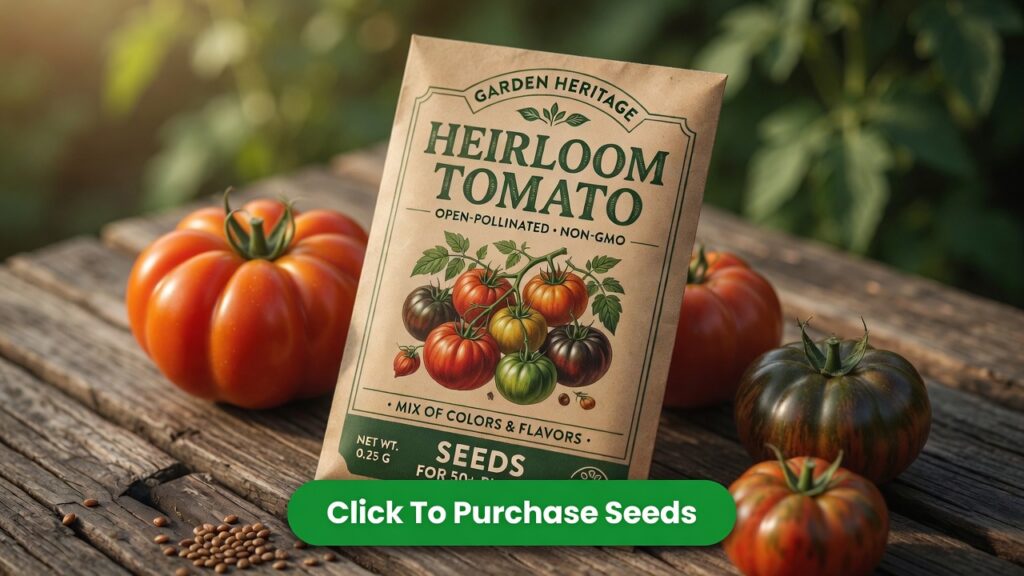
Starting tomatoes from seeds or purchasing young starter plants lets you control every stage of growth and harvest fruit at perfect ripeness. Home-grown tomatoes develop higher levels of sugars, acids, and aromatic compounds than many store-bought ones picked early for shipping. Choosing disease-resistant varieties suited to your climate improves success and reduces the need for chemical interventions. Seeds offer the widest selection of heirloom and specialty types, while starter plants give beginners a faster head start. Proper soil preparation with good drainage and organic matter supports strong root systems and nutrient uptake. Consistent watering and full sun exposure help plants produce abundant, flavorful fruit throughout the season. Harvesting tomatoes when fully colored and slightly soft maximizes both taste and beneficial compounds such as lycopene.
Growing your own also provides a continuous supply of living, nutrient-dense produce free from long-distance transport delays. Freshly picked tomatoes retain more vitamin C and antioxidants that can diminish during storage and handling. Container gardening works well for limited spaces, allowing patio or balcony growers to enjoy the same benefits. Companion planting with herbs like basil can enhance growth and deter certain pests naturally. Saving seeds from open-pollinated varieties creates a sustainable cycle for future seasons. The satisfaction of watching plants progress from seed or seedling to ripe fruit adds personal value beyond the nutritional gains. Overall, home cultivation delivers tomatoes that taste superior and deliver optimal freshness right from the vine.
 Organic tomato juice contains more beneficial phenolic components than juice from conventionally grown crops
 An aromatic tomato could be looming — a la heirloom varieties
 Should tomatoes go in the fridge?
 Tomatoes offer affordable source of Parkinson’s disease drug