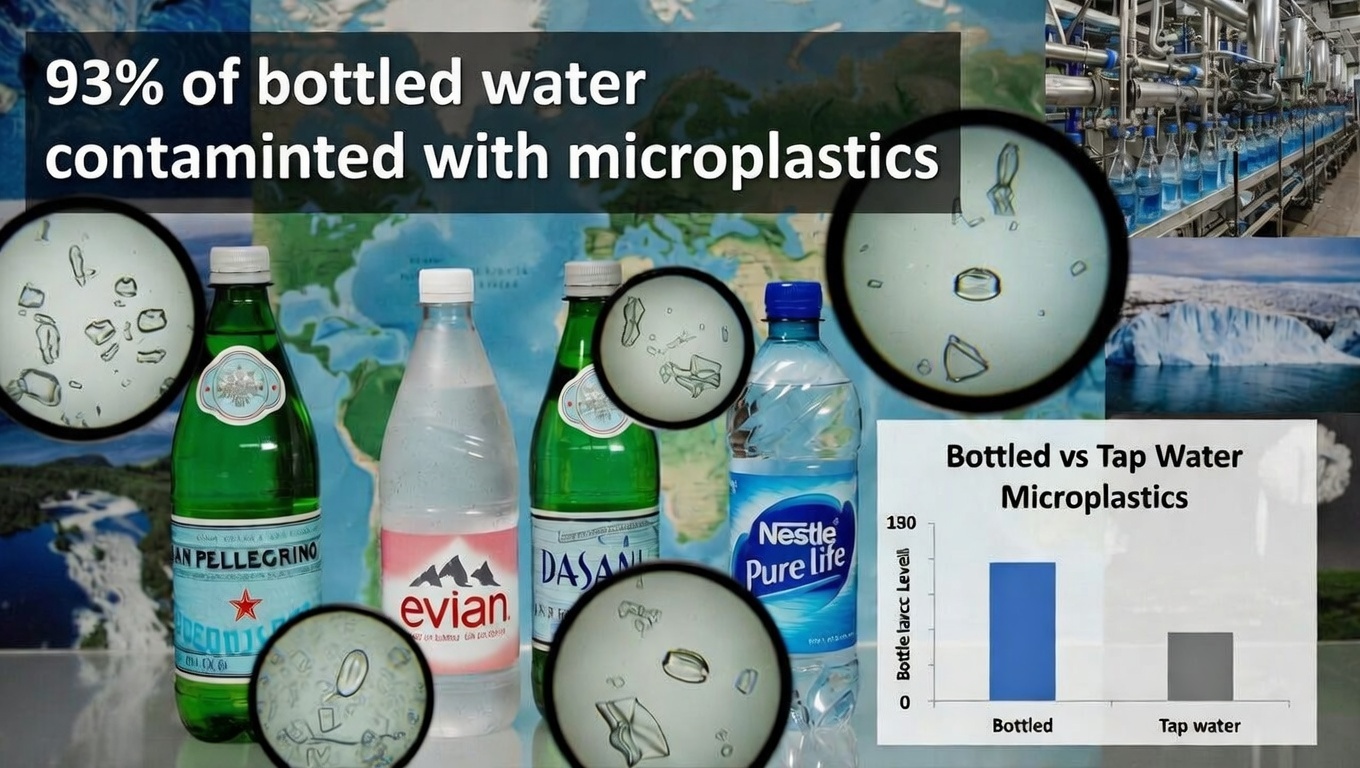
In an era where convenience often trumps caution, bottled water has become a staple for millions seeking hydration on the go. Yet, beneath the allure of crystal-clear packaging lies a pervasive threat: microplastics. These minuscule particles, born from the degradation of larger plastics and industrial processes, have infiltrated our daily lives, turning what should be a source of purity into a potential health hazard. As global plastic production surges beyond 400 million tons annually, the infiltration into our water supplies is inevitable, raising alarms about long-term exposure and environmental fallout.
The journey of microplastics into bottled water begins far from the bottling plant. From ocean pollution to atmospheric deposition, these particles contaminate source waters worldwide. However, the bottling process itself amplifies the issue—plastic bottles, caps, and even factory air contribute to shedding fragments directly into the product. Studies reveal that even “premium” brands aren’t immune, challenging the marketing myths of pristine, untouched springs. This contamination not only questions the superiority of bottled over tap water but also spotlights the urgent need for stricter regulations and consumer awareness.
As awareness grows, so does the scrutiny on specific brands. While no bottled water is entirely free of risk, some fare better than others in contamination tests. Drawing from the landmark 2018 study that first exposed widespread issues, we can identify brands with relatively lower microplastic levels. This data, though dated, remains a benchmark amid varying methodologies in newer research, which often includes nanoplastics and reports even higher overall counts. Understanding these differences empowers consumers to make informed choices in a market flooded with options.
The bottled water industry, valued at over $300 billion globally, promotes its products as “natural” and “pure,” but recent lawsuits and scientific scrutiny tell a different story. Brands face legal challenges for misleading claims, as microplastics undermine the very essence of their marketing. For instance, class-action suits against companies like Danone and Nestlé argue that the presence of these particles contradicts labels touting untouched purity from protected sources. This growing backlash highlights a disconnect between consumer expectations and reality, fueling demands for transparency and better filtration technologies.
Advancements in detection methods have escalated concerns, revealing not just microplastics but also nanoplastics—particles smaller than 1 micron that evade traditional filters. A 2024 study estimated 240,000 such particles per liter on average, up to 100 times previous figures, emphasizing how earlier research underestimated the problem. These tiny invaders can carry chemicals and potentially disrupt human biology, prompting calls for updated safety standards from bodies like the World Health Organization.
The Hidden Peril in Every Sip
Imagine reaching for a bottle of “pure” spring water, only to unknowingly gulp down thousands of tiny plastic particles. This isn’t science fiction—it’s the reality revealed by groundbreaking studies on microplastic contamination in bottled water. Back in 2018, a pivotal investigation by researchers at the State University of New York at Fredonia and Orb Media analyzed 259 bottles from 11 major brands across nine countries, finding that a staggering 93% contained microplastics. On average, each liter held about 325 particles, mostly under 100 microns in size, with polypropylene from bottle caps being a prime suspect.
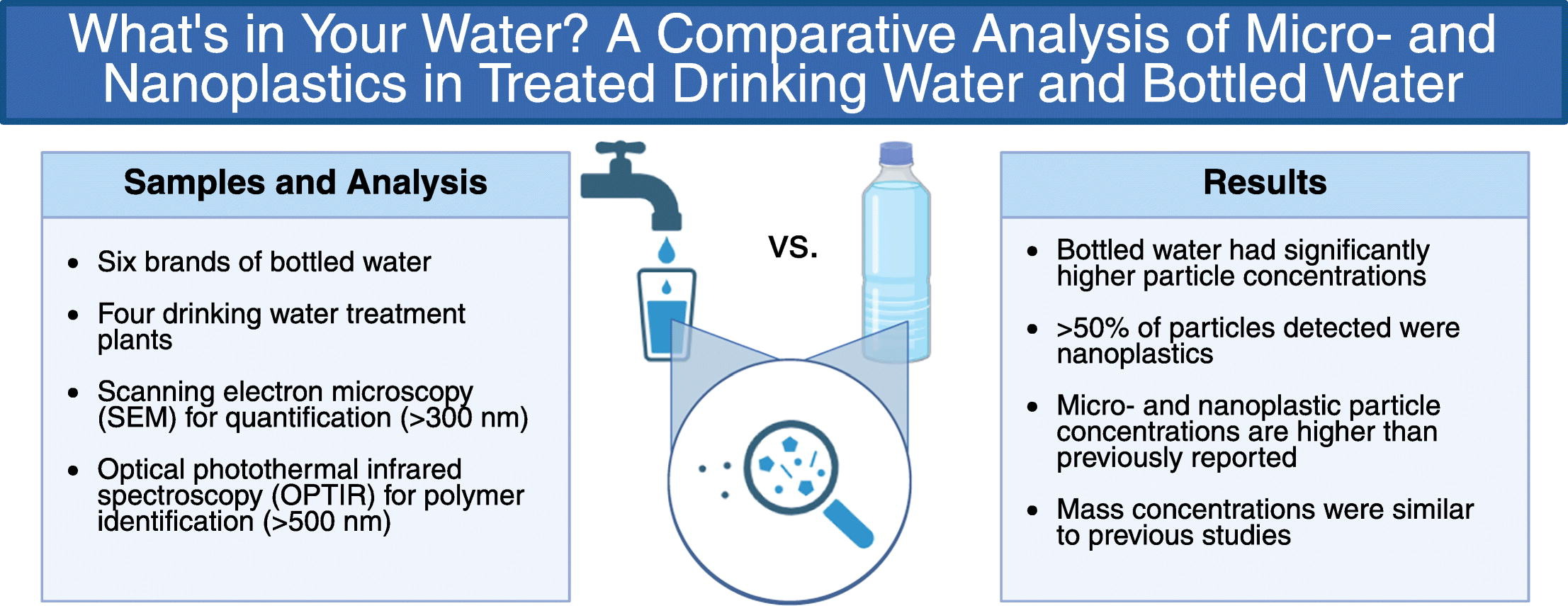
Fast forward to today, and the problem hasn’t vanished—it’s intensified. Recent research from 2023 to 2026 paints an even grimmer picture, incorporating nanoplastics (particles smaller than 1 micron) that earlier methods missed. For instance, a February 2026 study from Ohio State University examined six bottled water brands and found they contained three times more nanoplastics than treated tap water from Lake Erie plants. Levels were “higher than anticipated,” with bottled samples averaging significantly elevated concentrations.
This chart illustrates the stark difference: bottled water often harbors double or triple the microplastic load of tap alternatives.
Widespread Contamination Across the Globe
Studies worldwide echo these findings. In Poland (2023), every sample of bottled water and soft drinks tested positive for microplastics, regardless of packaging type. A 2025 Maltese analysis reported an average of 35,877 particles per liter in 84% of samples, with some brands hitting over 70,000. Even in developing countries like Bangladesh, all 10 brands tested in 2023 showed contamination.
In China (2024), bottled water averaged 72 particles per liter—higher than tap water’s 50—across plastic and glass containers. A U.S. National Institutes of Health study from January 2024 estimated 240,000 micro- and nanoplastics per liter, up to 100 times previous estimates. Brands like Aquafina, Dasani, Evian, and Nestle Pure Life, once spotlighted in 2018, continue to face scrutiny, though contamination varies by batch and region.
These microscope images capture the eerie reality of microplastic fibers—often colorful fragments invisible to the naked eye—floating in what should be pristine water.
Top 10 Bottled Water Brands with the Least Microplastic Contamination
Based on the comprehensive 2018 study, which remains a key reference for brand-specific comparisons (as many recent studies focus on averages without naming brands or include nanoplastics for higher totals), here are the top 10 brands with the lowest average microplastic particles per liter (MPP/L). Note that even these “lowest” levels indicate contamination, and values can vary by lot, packaging (e.g., glass vs. plastic), and region. Newer research suggests actual counts could be 10-100 times higher when including nanoplastics.
| Rank | Brand | Average MPP/L | Notes |
|---|---|---|---|
| 1 | San Pellegrino | 30.0 | Lowest overall; sparkling mineral water, often in glass bottles reducing plastic shedding. Min: 0, Max: 74. |
| 2 | Minalba | 63.1 | Brazilian brand; low variability in some lots. Min: 0, Max: 863. |
| 3 | Wahaha | 156 | Chinese brand; moderate levels. Min: 1, Max: 731. |
| 4 | Dasani | 165 | Coca-Cola product; purified tap water. Min: 2, Max: 335. |
| 5 | Evian | 197 | French spring water; premium branding. Min: 0, Max: 256. |
| 6 | Aquafina | 252 | PepsiCo product; purified. Min: 42, Max: 1,295. |
| 7 | Aqua | 325 | Indonesian brand; higher but still below averages. Min: 3, Max: 4,713. |
| 8 | E-Pura | 686 | Mexican brand. Min: 3, Max: 2,267. |
| 9 | Bisleri | 826 | Indian brand. Min: 2, Max: 5,230. |
| 10 | Nestle Pure Life | 930 | Widespread; high max in some bottles. Min: 6, Max: 10,390. |
Spotlight on the Top Brand: San Pellegrino
San Pellegrino emerges as the standout with the lowest average microplastic contamination at just 30 MPP/L in the 2018 analysis, far below the study’s overall average of 325. This Italian sparkling mineral water, sourced from natural springs in the Alps near Bergamo since 1395, benefits from its geological protection and minimal processing. Owned by Nestle, the brand emphasizes sustainability, often using glass bottles which showed lower contamination in related tests (e.g., Gerolsteiner’s glass variants had 204 MPP/L vs. 1,410 in plastic). The carbonation process and strict quality controls during bottling likely contribute to reduced particle introduction. While not entirely plastic-free—some formats use PET bottles—opting for glass versions minimizes risks. Health-wise, its natural minerals like calcium and magnesium offer benefits, but consumers should still prioritize tap water or reusable options to avoid any microplastics. Despite its premium price, San Pellegrino’s low contamination profile makes it a safer choice for those who prefer bottled, though ongoing testing is essential as global pollution evolves.
Spotlight on a Premium Brand: Evian
Evian, ranking fifth in the 2018 study with an average of 197 MPP/L (ranging from 0 to 256), positions itself as a premium natural mineral water sourced from the French Alps. Owned by Danone, the brand has been bottled since 1826 at its source in Évian-les-Bains, where rainwater filters through glacial rock for over 15 years, absorbing minerals like calcium and magnesium. This natural filtration process is marketed as ensuring purity, but studies reveal microplastic intrusion, likely from packaging and bottling. In the 2018 Orb Media analysis, Evian showed moderate contamination, with polypropylene dominant, suggesting cap-related shedding. More recent scrutiny, including a 2022 French study, detected microplastics in Evian samples, with concentrations up to 121 particles per liter in some tests. A 2018 microfiber-focused study also flagged Evian as having higher levels of plastic fibers. Danone has responded by monitoring the issue closely and citing studies claiming no significant microplastics in single-use bottles, while investing in sustainable packaging like recycled PET. However, lawsuits in 2024 accused Evian of misleading “natural” claims amid nanoplastics findings. Despite its health benefits from mineral content and low sodium, Evian’s premium pricing (often double that of basic brands) doesn’t guarantee plastic-free water, underscoring the need for consumers to weigh marketing against scientific evidence.
Where Do These Plastics Come From?
Microplastics aren’t just environmental invaders; they’re often introduced during production. Bottling processes, including capping and handling, shed particles from plastic materials. Raw water sources can contribute, but studies point to packaging as the main culprit—even glass bottles aren’t immune due to factory contamination. Degradation over time and supply chain mishandling exacerbate the issue.
The Health Toll: Swallowing the Invisible Threat
The real concern? Human exposure. Those who rely on bottled water may ingest up to 90,000 extra microplastic particles annually compared to tap users. A 2025 review of over 140 studies links chronic ingestion to respiratory diseases, reproductive issues, neurological disorders, and more, as these particles can enter the bloodstream and lodge in organs. While the World Health Organization’s 2019 report called for more research, emerging evidence suggests risks are understated.
Public awareness is surging: Surveys show 83% of Americans worry about microplastics, with concerns tripling since 2023. Yet, bottled water sales persist, highlighting a disconnect between knowledge and habit.
Visuals like this underscore the microscopic scale of the problem, where fragments smaller than a human hair pose outsized risks.
Rethinking Your Hydration: Safer Alternatives
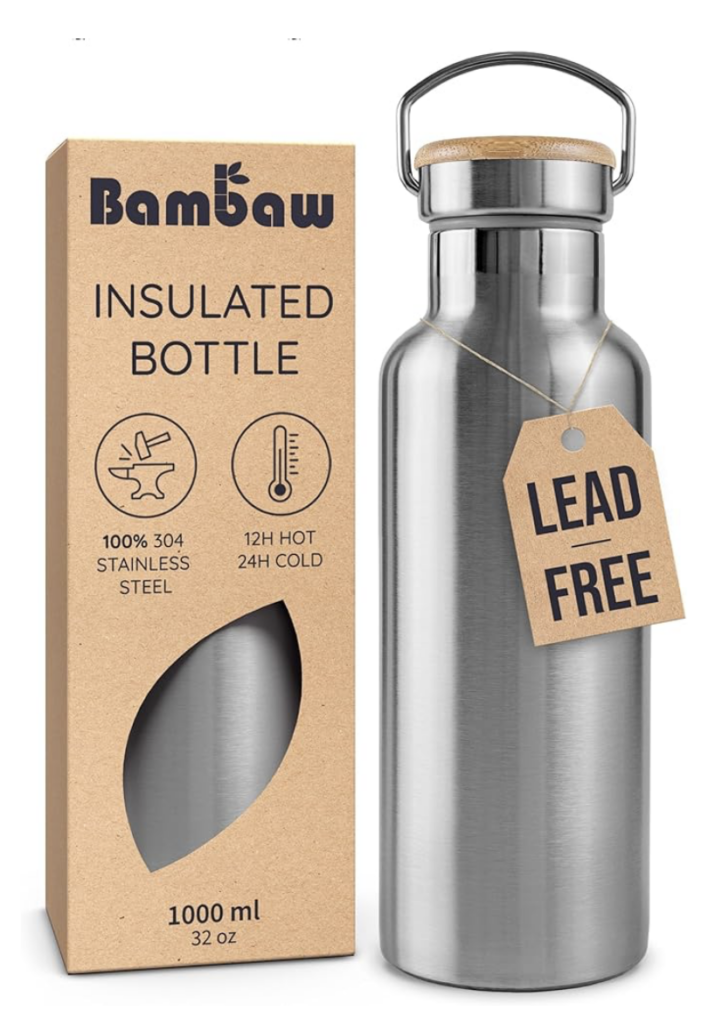
Experts, including those from the Ohio State study, urge switching to tap water, which often undergoes stricter regulations and shows lower contamination. Home filters can further reduce risks. Reusable bottles and reducing single-use plastics are key to curbing the broader crisis.
In conclusion, the “pure” promise of bottled water is tainted by an invisible epidemic. As studies from 2018 to 2026 reveal, over 90% of brands are compromised, urging us to question what’s really in our drinks. It’s time to turn on the tap and demand change—before the plastic we consume consumes us.
 Squeeze More Limes Into Your Life – The 3 Little-Known Ways This Tart Citrus Fruit Transforms Your Health
 Recycled plastic is a toxic cocktail: Over 80 chemicals found in a single pellet
 Study links micro- and nanoplastics to Parkinson’s and dementia
 Paper drinking straws may be harmful and may not be better for the environment than plastic versions