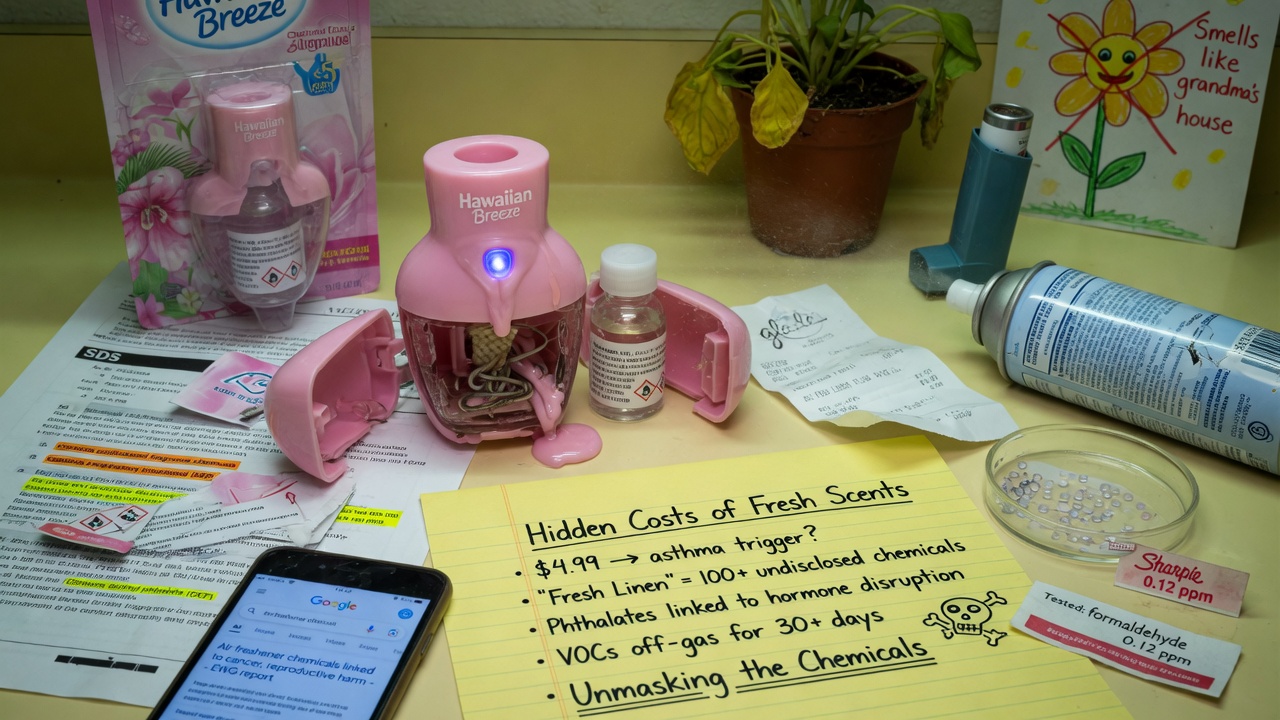
We’ve all reached for that aerosol spray, plugged in a scented device, or lit a fragrant candle to make our homes smell “clean” and inviting. Air fresheners promise to eliminate odors and create a welcoming atmosphere, but beneath those pleasant aromas lies a complex cocktail of chemicals that can linger in indoor air far longer than the scent itself. While they mask unwanted smells, many air fresheners add volatile pollutants that contribute to poorer indoor air quality and potential health risks.
Indoor air is often more polluted than outdoor air, and consumer products like air fresheners are a significant but underappreciated contributor. Research, including work by Professor Anne Steinemann, shows that fragranced products emit hazardous compounds, even those labeled “green,” “natural,” or “organic.” This article delves into the science, the specific chemicals involved, the health implications, regulatory gaps, and practical ways to create genuinely fresher indoor environments.
What’s Really in Your Air Freshener?
Air fresheners come in many forms: aerosol sprays, plug-ins, gels, solids, reed diffusers, beads, and scented candles or oils. Their primary job is to disperse fragrance, often using a mix of solvents, propellants, and stabilizers. The exact formulations are often proprietary “trade secrets,” meaning full ingredient lists are rarely disclosed.
Common chemicals and compounds include:
- Volatile Organic Compounds (VOCs): These are the stars (or villains) of air freshener emissions. They easily evaporate at room temperature and include formaldehyde (a known carcinogen), acetaldehyde (probable carcinogen), benzene, toluene, xylenes, alpha-pinene, and d-limonene. Levels can spike during use and remain elevated indoors.
- Phthalates (such as dibutyl phthalate or diethyl phthalate): These plasticizers help fragrances last longer and adhere to surfaces. They are endocrine disruptors linked to reproductive and developmental issues. Studies have found phthalates in a high percentage of tested air fresheners.
- 1,4-Dichlorobenzene (paradichlorobenzene): Used in some solid deodorizers and mothballs; it can impair lung function and is a potential carcinogen.
- Other additives: Parabens (preservatives with hormone-disrupting potential), BHT (antioxidant with mixed safety data), and various aldehydes.
Fragrance mixtures themselves can contain dozens to hundreds of synthetic compounds derived from petroleum. Even “natural” essential oil-based products emit terpenes that react with indoor ozone to form secondary pollutants like formaldehyde and ultrafine particles.
Recent Purdue University research highlights how fragranced products, including air fresheners and essential oil diffusers, generate significant numbers of nanoscale particles when their chemicals interact with ozone from ventilation systems. These tiny particles can penetrate deep into the lungs.
How Air Fresheners Pollute Indoor Air
Air fresheners don’t just release chemicals directly—they trigger secondary reactions. Emitted VOCs combine with ozone or other indoor compounds to produce additional irritants, ultrafine particles, and secondary organic aerosols. This means the air can become more polluted after use than before, especially in tightly sealed modern homes with limited ventilation.
Emissions vary by product type but are consistent across “green” and conventional options. One analysis of multiple air fresheners found hazardous VOCs in all of them, regardless of marketing claims. Plug-ins and continuous-release products can maintain elevated levels for hours or days.
Health Effects: From Irritation to Chronic Concerns
Short-term exposure often causes immediate symptoms:
- Eye, nose, and throat irritation
- Headaches and migraines
- Nausea or dizziness
- Asthma attacks or worsened respiratory symptoms
Survey data from Steinemann’s research is striking: Approximately 34.7% of Americans and similar percentages in other countries report health problems from fragranced products, with air fresheners frequently cited. Effects include respiratory issues, mucosal symptoms, skin problems, and more. Over 15% have lost workdays or jobs due to such exposures in some studies.
Longer-term risks include:
- Hormone disruption and reproductive/developmental effects from phthalates
- Increased cancer risk from formaldehyde, benzene, and other carcinogens
- Potential impacts on lung function, cardiovascular health, and neurological symptoms in sensitive individuals
- Allergic reactions and chemical sensitivities
Children, pregnant people, asthmatics, and the elderly are particularly vulnerable. Multiple scented products used together amplify exposure.
The Transparency and Regulation Gap
In the United States, air fresheners fall under the Consumer Product Safety Commission (CPSC) with limited pre-market safety testing for inhalation exposure. Manufacturers don’t have to disclose full fragrance ingredients due to trade secret protections. The EPA monitors VOCs broadly but doesn’t strictly regulate consumer air fresheners. Labels often say little more than “fragrance” or provide vague claims.
This lack of transparency makes it difficult for consumers to make informed choices. Even material safety data sheets (MSDS) disclose very few of the emitted chemicals identified in lab tests.
Are “Natural” or “Green” Options Safer?
Not necessarily. Studies consistently show that products marketed as green, organic, or essential oil-based often emit similar levels of hazardous VOCs and can form secondary pollutants. “Natural” terpenes from essential oils react in air just like synthetic ones. Marketing claims lack strict legal definitions in many cases, leading to greenwashing.
Better Ways to Freshen Your Home
The good news is that you can achieve genuinely fresher air without adding chemicals:
- Source Control and Ventilation — Eliminate odors at the source through regular cleaning, addressing moisture/mold, and proper waste management. Open windows, use exhaust fans, and maintain HVAC systems for better airflow.
- Natural Absorbers — Baking soda, activated charcoal, and white vinegar effectively neutralize odors without adding scents.
- Houseplants and Natural Elements — Some plants help filter air (though effects are modest). Simmer citrus peels, herbs, or spices for temporary pleasant aromas.
- Targeted Solutions — HEPA filters combined with activated carbon air purifiers can remove particles and some VOCs.
- Mindful Scenting (If Desired) — Use high-quality essential oils sparingly in well-ventilated areas via passive diffusers. Opt for truly transparent, low-VOC products when possible, but verify independent testing.
- Fragrance-Free Policies — Many advocate for scent-free environments in workplaces, schools, and public spaces to protect sensitive individuals.
Conclusion: Rethinking “Fresh”
Air fresheners offer the illusion of cleanliness while potentially compromising the air we breathe daily. By understanding the chemicals involved—from VOCs and phthalates to secondary reaction products—we can make more conscious choices that prioritize real indoor air quality over temporary scents.
Creating a healthy home doesn’t require a chemical spray or plug-in. Fresh air, good ventilation, and simple natural habits often provide the best and safest results. The next time you reach for an air freshener, consider whether you’re truly freshening the air—or just trading one set of odors for another, hidden cocktail of compounds. Your lungs (and your family’s health) may thank you for choosing a different approach.
Small changes in everyday habits can lead to meaningfully cleaner indoor environments—one breath at a time.
Here are the best safer, non-toxic alternatives to traditional chemical-laden air fresheners.
Top Recommended Products
- Activated Charcoal / Bamboo Charcoal Air Purifying Bags (Strongest Overall Pick)
- Top in odor eliminators. Fragrance-free, natural, reusable (recharge in sun), appeals to pet owners, parents, and chemical-sensitive people. Great for closets, cars, basements, shoes.
- Natural Plant-Based Odor Removing Gels
- Fresh Wave gels (very popular)
- Actually eliminates odors (cooking, pets, trash) instead of masking them. Plant-based, lasts 15–90 days.
- Non-Toxic Essential Oil Room Sprays & Fabric Sprays
- Key features: Pet & kid safe, non-aerosol, long-lasting (200+ sprays).
- Essential Oil Diffusers + Pure Essential Oil Kits
- Natural Toilet Sprays (Poo-Pourri Style) & Bathroom-Specific Solutions
Other Promising Ideas
- Baking soda-based odor absorbers (fridge, closet, shoe boxes) with essential oil customization.
- Non-toxic plug-in refills (plant-based, liquidless like Enviroscent).
- Pet-safe multi-surface odor eliminators
- Eco-friendly reed diffusers
 Neem Oil: Your Natural Shield for Thriving Indoor Plants – A Complete Guide to Pest Protection
 Spray Foam Insulation: Energy Hero or Cancer Culprit?
 Air inside your home may be more polluted than outside due to everyday chemical products
 Recycled plastic is a toxic cocktail: Over 80 chemicals found in a single pellet