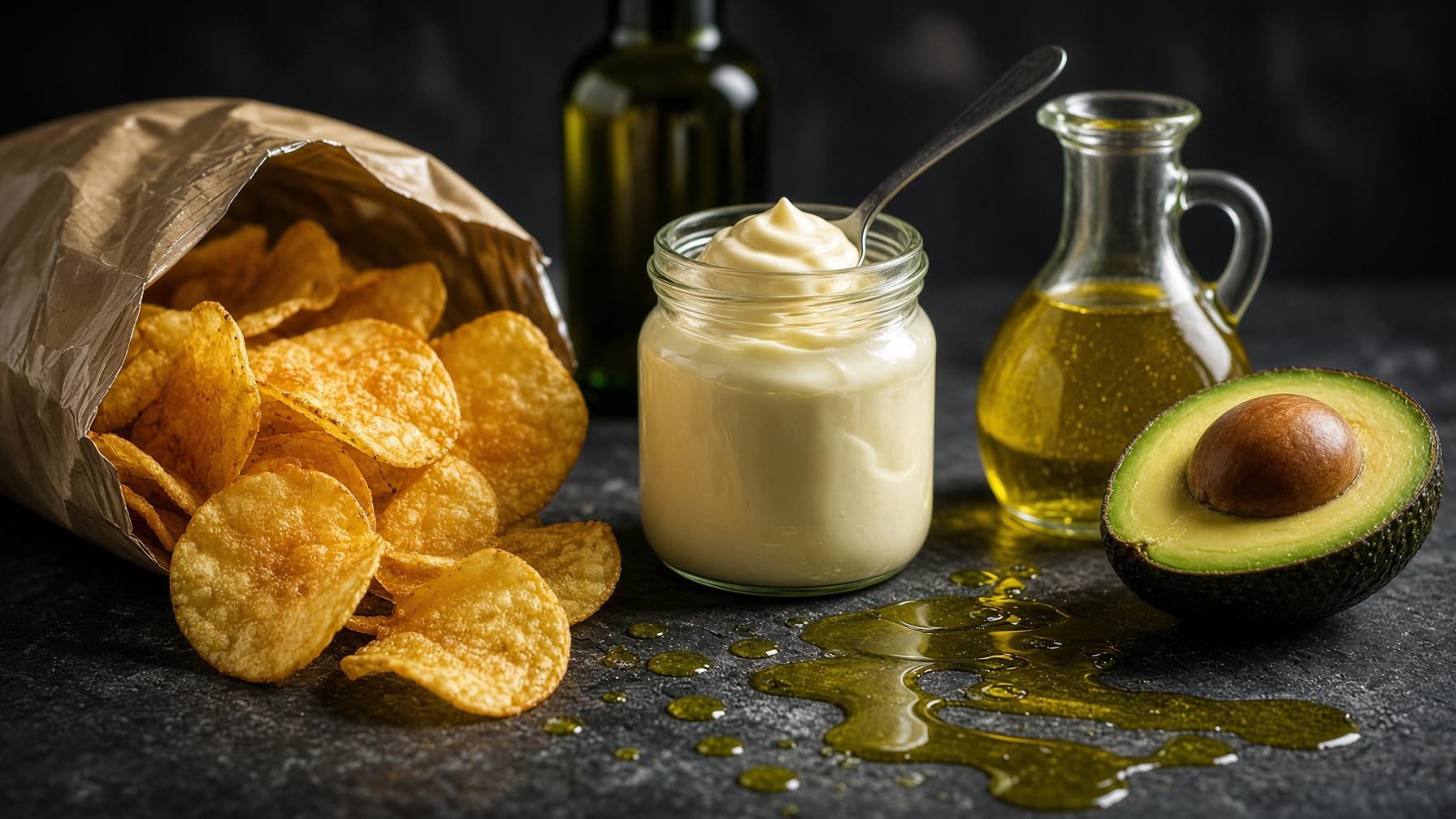
Shoppers reaching for premium snacks and condiments labeled “made with avocado oil” may be getting something far cheaper and less desirable instead. A major new study from researchers at the University of California, Davis, published in Applied Food Research, tested dozens of commercially processed foods and delivered a startling result. Nearly nine out of ten products claiming to use pure avocado oil as their only oil ingredient were adulterated with cheaper substitutes such as soybean, canola, or safflower oil. The findings cover popular categories including potato chips, mayonnaise, and salad dressings that command higher prices precisely because of the avocado oil claim. Consumers often choose these items to avoid seed oils, yet the chemical evidence shows many are unknowingly consuming the very ingredients they sought to escape. The research team extracted the oils and compared their fatty acid and sterol profiles against authentic avocado oil reference ranges. Even after allowing a generous 10 percent margin for natural variation in avocado origin and variety, 48 of the 54 avocado-oil products failed the authenticity tests.
The numbers break down in troubling ways across product types. Fully 93 percent of the avocado-oil chips tested showed compositional profiles inconsistent with real avocado oil. Every single salad dressing in the sample set—100 percent—failed the purity checks. Mayonnaise fared only slightly better, with 71 percent of the products revealing the presence of other oils. In at least one extreme case, the chemical fingerprint matched soybean oil almost entirely, with essentially no detectable avocado oil. Researchers purchased the items in 2025 and 2026 from California stores and major online retailers to reflect what everyday consumers actually buy. Each product was evaluated across two separate lots and tested twice to reduce the chance that a single bad batch skewed the results. The same battery of tests applied to 20 olive-oil-labeled processed foods produced a dramatically different outcome: only one product failed.
Lead author Selina Wang, a professor of cooperative extension in the UC Davis Department of Food Science and Technology, has studied oil authenticity for years. Her team measured the unique chemical fingerprints of fatty acids and sterols that distinguish one oil from another. They also ran laboratory experiments to confirm that ordinary food processing—deep frying, blending, or emulsifying—does not meaningfully alter those markers. The observed deviations therefore cannot be dismissed as side effects of manufacturing. Instead, the consistent pattern of reduced avocado-specific compounds and elevated levels of markers typical of cheaper seed oils points to deliberate or systemic dilution higher in the supply chain. Wang has noted that many food manufacturers source oils through third-party brokers or multiple suppliers and may never discover the problem without rigorous testing of their own.
This is not the first time UC Davis researchers have flagged problems with avocado oil. Earlier studies in 2020 and 2023 found high rates of rancidity or adulteration in bottled avocado oils sold directly to consumers, including private-label store brands. Those earlier findings already prompted class-action lawsuits against several major retailers. The new work extends the same scrutiny to finished processed foods, an area that had received far less attention. Because avocado oil remains a relatively new and high-value category, it has never faced the decades of regulatory scrutiny and standardized testing that protect olive oil authenticity. The gap in oversight has left both consumers and honest manufacturers vulnerable.
Price differences make the issue especially frustrating for shoppers. Products marketed as made with avocado oil frequently sell for several times the cost of comparable items made with ordinary vegetable oils. Conventional mayonnaise can cost roughly ten cents per ounce, while avocado-oil versions from well-known brands often exceed sixty cents per ounce. Shoppers pay that premium expecting the nutritional profile, smoke point, and clean-ingredient story associated with pure avocado oil. When the oil turns out to be diluted or substituted, those buyers receive neither the value nor the product they believed they were purchasing. The study authors emphasize that consumers deserve to get what the label promises and that food companies themselves need reliable ways to verify the authenticity of the ingredients they buy.
Wang and her colleagues point to the multi-layered supply chain as the most likely origin of the problem. Oil suppliers may blend cheaper oils into bulk avocado oil before it reaches brand manufacturers. Those manufacturers, in turn, may lack the laboratory capacity or protocols to catch the substitution on a routine basis. The result is a product that reaches supermarket shelves with a misleading ingredient declaration. The researchers stress that their findings reflect only the specific lots tested and do not claim to describe every batch from every brand indefinitely. Still, the high failure rate across dozens of widely available products signals a systemic vulnerability rather than isolated incidents.
The publication of the study has already begun to generate legal consequences. Proposed class-action lawsuits have been filed in federal courts against brands whose products appeared among the failing samples. Law firms have also opened investigations into additional companies whose mayonnaise, chips, or dressings carry prominent avocado-oil claims. Earlier bottled-oil cases against retailers such as Walmart, Target, and others provide a precedent for how these newer actions may proceed. Plaintiffs typically argue that they paid a premium based on false labeling and would have chosen cheaper alternatives or paid less had they known the true composition. Courts will ultimately decide the strength of those claims, but the scientific data now available strengthens the factual foundation for such litigation.
For consumers who specifically seek to avoid seed oils for health, dietary, or personal reasons, the findings are particularly relevant. Many of the adulterated products were marketed precisely to that audience. The chemical signatures of the failing samples frequently matched the profiles of soybean, canola, safflower, or similar oils—the very ingredients some shoppers deliberately try to eliminate. Because processing does not erase the diagnostic sterol and fatty-acid markers, independent laboratory testing remains a reliable way to detect the substitution. Until stronger industry standards or regulatory requirements take hold, shoppers have limited tools beyond brand reputation and third-party testing reports.
Olive oil offers a useful contrast. Decades of research, international standards, and market scrutiny have made large-scale adulteration of olive oil in processed foods far less common, at least according to the UC Davis comparison. Only one of the twenty olive-oil products tested showed inconsistency with authentic olive oil. That disparity underscores how the absence of enforceable purity standards for avocado oil has allowed problems to persist and expand into finished foods. Codex Alimentarius reference ranges provided the benchmarks used in the study, yet the United States still lacks mandatory, enforceable definitions for avocado-oil authenticity in the same way olive oil is regulated.
The economic incentives are clear. Pure avocado oil costs significantly more to produce than commodity seed oils. Blending even modest percentages of cheaper oil can improve margins while the premium label remains on the package. When the practice becomes widespread, the entire category risks losing consumer trust. Brands that invest in verified pure avocado oil may find themselves competing against lower-cost products that appear identical on the shelf. Transparent supply-chain verification and routine authenticity testing could help honest manufacturers differentiate themselves and rebuild confidence.
Researchers involved in the work have publicly shared media kits listing the brands and products tested along with the study’s limitations. Those materials make clear that the sample represents only a portion of the market and that results apply to the specific lots examined. Geographic focus on California and online purchases further limits generalizability. Nevertheless, the consistency of the failures across chips, dressings, and mayonnaise suggests the issue is not confined to a handful of obscure brands. Household names and specialty “clean” brands alike appeared among the products that did not match their avocado-oil claims.
Food scientists continue to refine markers that can detect adulteration even after processing. Compounds such as cis-vaccenic acid, specific sterols, and the ratios of certain fatty acids serve as reliable indicators. The UC Davis team applied conservative thresholds precisely to avoid over-calling natural variation as fraud. The fact that 89 percent of products still failed under those generous criteria strengthens the conclusion that substitution is occurring. Future research may expand sampling to more regions, more product categories, and longer time frames to track whether the problem improves or worsens.
For now, the practical takeaway for consumers is caution. Reading the ingredient list is necessary but no longer sufficient when the listed oil itself may be diluted upstream. Looking for brands that publish third-party purity testing or that have consistently passed independent evaluations offers one imperfect safeguard. Paying attention to price can also provide a clue: extremely low-priced “avocado oil” products have historically been more likely to show problems, although high price alone does not guarantee purity. As legal pressure and media attention increase, more manufacturers may begin demanding certificates of authenticity from their oil suppliers.
The broader lesson extends beyond avocado oil. Any premium ingredient that is expensive to produce and difficult for consumers to verify can become a target for economically motivated adulteration. Honey, olive oil, spices, and certain juices have faced similar challenges in the past. Transparent testing, clear standards, and supply-chain accountability remain the most effective long-term remedies. Until those systems mature for avocado oil, the gap between label and contents will continue to cost consumers both money and trust.
In the meantime, the UC Davis findings give regulators, brands, and shoppers a clearer picture of the scale of the problem. The study itself received no outside funding and the authors declared no competing interests. Its publication in a peer-reviewed journal adds weight to earlier observations about the avocado-oil market. As more data accumulate and lawsuits move forward, the industry will face growing incentives to clean up its supply chains. Consumers who have been paying extra for the promise of pure avocado oil deserve nothing less than the real thing.
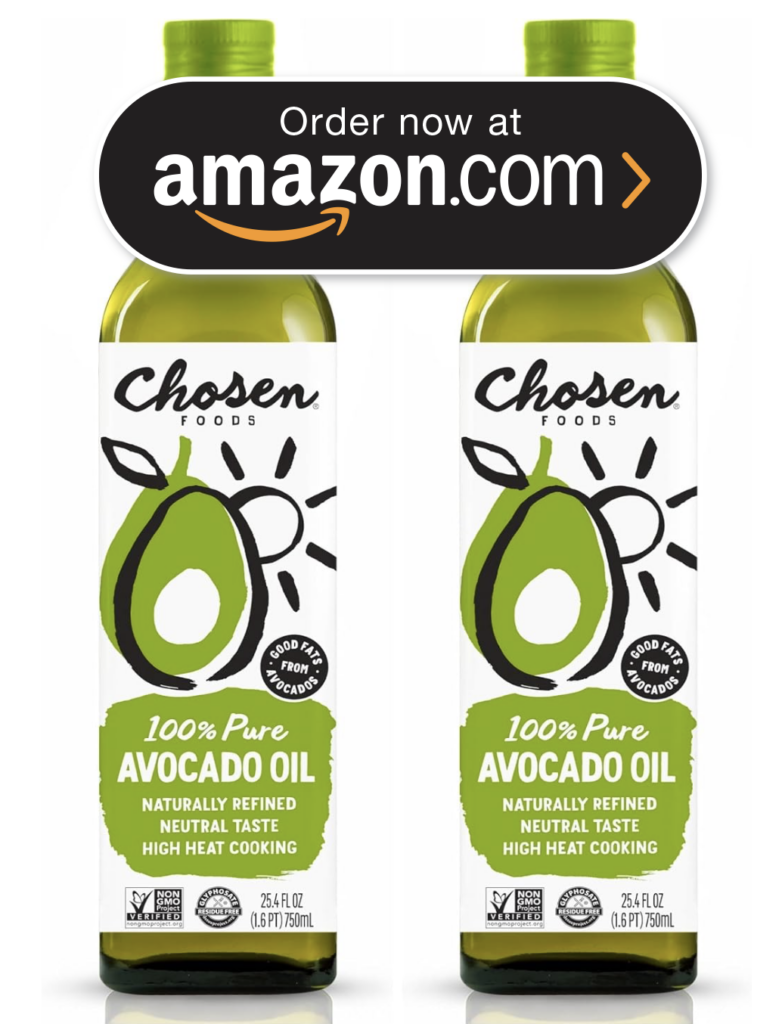
Here are practical product suggestions tied directly to the UC Davis findings (89% of “made with avocado oil” chips, mayo, and dressings were adulterated with cheaper oils). The goal is to help readers get verified purity, avoid the problem products, or switch to better alternatives.
1. Verified Pure Bottled Avocado Oil (Best for Cooking at Home)
Instead of trusting processed foods, buy pure oil and use it yourself for frying, dressings, or homemade mayo.
- Chosen Foods 100% Pure Avocado Oil (16.9 oz, 25.4 oz, 1 L, 1.75 L, or spray versions)
One of the few brands that consistently passed earlier UC Davis purity tests. The company tests every batch and has strong third-party verification. High smoke point (~500°F), neutral flavor, Non-GMO. Very popular on Amazon with strong ratings and frequent sales volume. - Marianne’s Classic Avocado Oil (and Organic / Regenerative Organic versions)
Explicitly used as the purity benchmark in the 2026 UC Davis study. Clean Label Project Purity Award winner, Seed Oil Free Certified, low-temperature processed, easy-pour bottle, high smoke point. Now widely available on Amazon after a nationwide launch. Excellent reputation for authenticity.
These two are the strongest recommendations for anyone who wants actual avocado oil rather than a diluted blend.
2. Mayonnaise / Sauces That Passed Testing
- Grove AvoYeah! Mayo Sauce and Garlic Aioli
These were among the very few (and in some reports the only) avocado-oil products that passed both lots in the UC Davis study. Made with pure avocado oil and free of the common seed-oil adulterants. Availability on Amazon can fluctuate (often through importers), so search for current stock. Worth seeking out if you want a ready-made condiment that matched the authentic chemical profile.
Many U.S.-made avocado-oil mayos failed, so this stands out as a rare success.
3. Better Alternatives: Olive Oil Products
The same study found olive-oil-labeled chips, dressings, and mayo performed dramatically better (only 1 of 20 failed). Look for:
- Graza Extra Virgin Olive Oil products (oils or chips if available)
- California Olive Ranch or Bragg olive-oil dressings/vinaigrettes
- Torres or similar olive-oil potato chips (where stocked)
These offer a more reliable “premium oil” claim based on the lab results.
4. Seed-Oil-Free Snack Alternatives (Avoid the Problem Category Entirely)
Since 93% of avocado-oil chips failed, many health-conscious buyers are switching to tallow- or coconut-oil-cooked options:
- MASA Chips (tortilla chips cooked in grass-fed beef tallow) — multiple flavors, simple ingredients, popular seed-oil-free choice.
- Rosie’s Beef Tallow Chips or CHIPPYS Grass-Fed Tallow Potato Chips — kettle-cooked, no seed oils.
- Jesse & Ben’s Grass-Fed Beef Tallow Fries (frozen, air-fryer friendly).
- Tasty Nate’s or similar beef-tallow potato chips.
- Gimme Organic Seaweed Snacks or SkinnyPop (select varieties) for lighter options.
These align with the growing demand for transparent, non-adulterated fats highlighted by the study.Quick Buying Tips Linked to the Research
- Prioritize brands that publish batch testing or have historical UC Davis pass results (Chosen Foods, Marianne’s).
- Be skeptical of cheap “avocado oil” chips, mayo, and dressings — the 89% failure rate was widespread.
 10 Nutrient-Dense Organic Foods to Boost Your Energy Without Caffeine
 One avocado a day helps lower ‘bad’ cholesterol for heart healthy benefits
 Eating two servings of avocados a week linked to lower risk of cardiovascular disease
 Avocado discovery may point to leukemia treatment