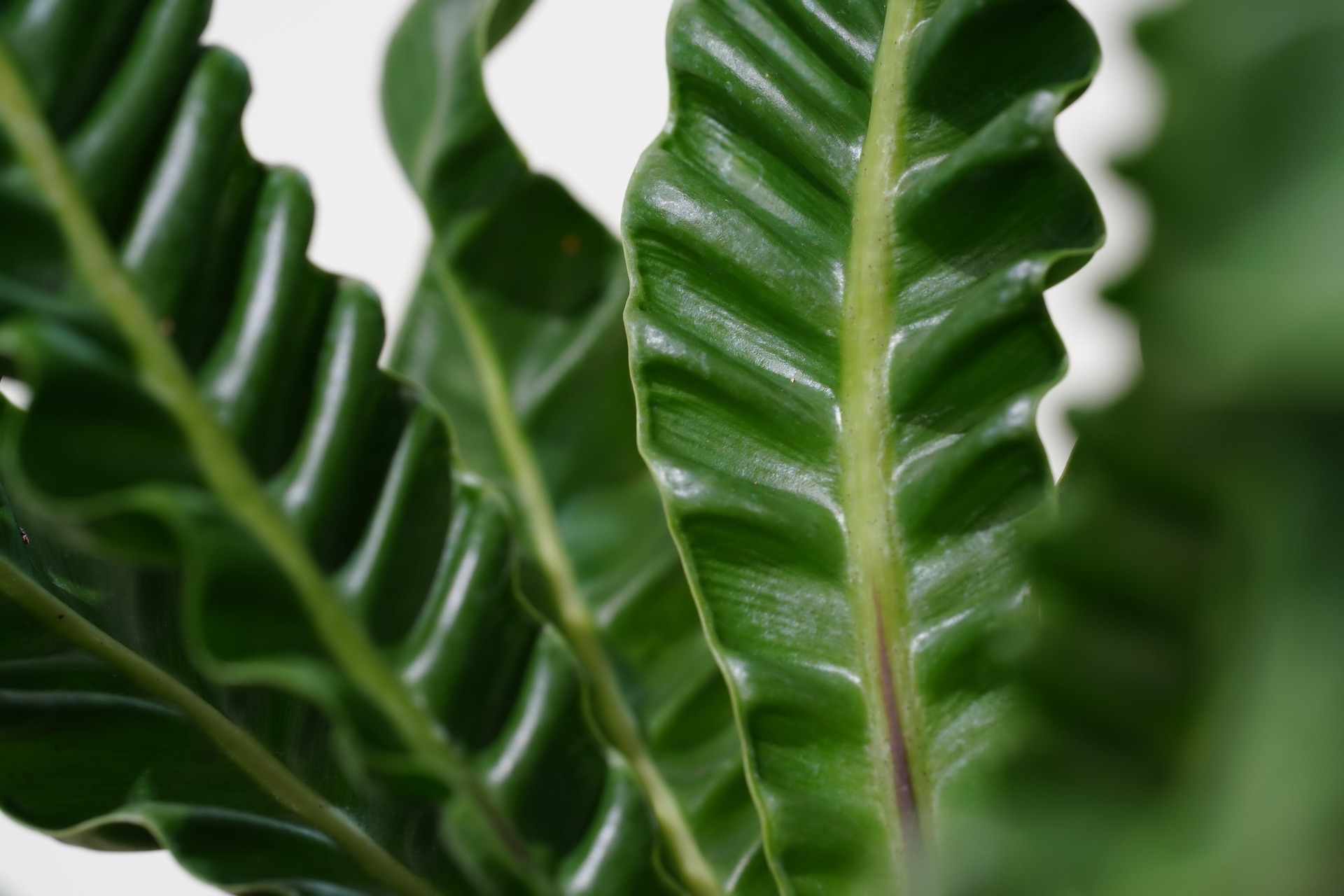
Indoor plants bring life, color, and a touch of nature into our homes, turning ordinary spaces into vibrant green sanctuaries. Yet many plant lovers quickly discover a common challenge: pests. In the warm, enclosed environment of a home, insects like spider mites, mealybugs, aphids, and fungus gnats can spread rapidly, often going unnoticed until leaves yellow, curl, or drop. These tiny invaders thrive in low-humidity conditions near heating vents or under grow lights, turning a relaxing hobby into a frustrating battle.
Chemical pesticides offer quick fixes but come with drawbacks—harsh fumes unsuitable for indoor air, potential harm to pets and children, and the risk of building resistance in pests over time. More and more houseplant enthusiasts are turning to gentler, plant-based alternatives that align with eco-conscious living. Among these, neem oil stands out as a time-tested, versatile solution that’s effective, affordable, and safe when used correctly.
Derived from the seeds of the neem tree (Azadirachta indica), a species native to the Indian subcontinent and revered in traditional Ayurvedic practices for centuries, neem oil has been used for millennia as a natural protector against insects and diseases. Modern research backs its efficacy, with the key compound azadirachtin disrupting pest feeding, growth, and reproduction while leaving beneficial insects largely unharmed. For indoor gardeners, this makes neem oil an ideal first line of defense—preventing small infestations from becoming overwhelming without resorting to synthetic toxins.
Neem oil has long been a trusted natural solution for keeping indoor plants healthy and pest-free. It offers an eco-friendly alternative to synthetic chemicals and is particularly valuable for houseplant enthusiasts because many common indoor pests—like spider mites, mealybugs, aphids, whiteflies, and fungus gnats—thrive in the warm, dry conditions of homes.
Why Neem Oil Works So Well for Indoor Plants
Neem oil operates on multiple levels to protect plants:
- It acts as a contact insecticide, smothering pests by coating them with oil.
- It serves as a repellent, deterring insects from landing or feeding.
- Key compounds (especially azadirachtin) disrupt the insect life cycle by interfering with feeding, molting, reproduction, and egg-laying.
- It also has mild antifungal properties, helping prevent or slow issues like powdery mildew or other fungal diseases.
Unlike harsh pesticides, neem oil is generally considered low-risk for indoor use—practically non-toxic to birds, mammals, and beneficial insects when used properly (though slightly toxic to fish/aquatic life). It’s EPA-recognized and widely labeled safe for organic gardening.
How to Prepare and Apply Neem Oil Safely Indoors
Most people use pure, cold-pressed neem oil concentrate (look for high azadirachtin content and no additives). Ready-to-use sprays exist, but mixing your own is cost-effective and customizable.
Basic DIY Neem Oil Spray Recipe (for ~1 liter/quart)
- 1 liter (about 4 cups) of warm water (helps emulsify)
- 5 ml (1 teaspoon) pure neem oil
- 1–2 ml (¼–½ teaspoon) mild liquid dish soap (like Dawn or Castile; acts as emulsifier—no antibacterial types)
Steps:
- Fill a spray bottle with warm water.
- Add the dish soap and shake gently.
- Add the neem oil last.
- Shake vigorously for 30–60 seconds to emulsify (it separates quickly, so re-shake before each use).
- Mix only what you’ll use immediately—diluted neem loses potency within hours to a few days.
For heavier infestations, some gardeners increase to 2 teaspoons neem oil per liter, but start lower to test sensitivity.
Application Tips for Indoor Plants
- Test first — Spray a small area (one or two leaves) and wait 24 hours to check for burning or spotting.
- Cover thoroughly — Mist the entire plant until dripping, especially undersides of leaves where pests hide and lay eggs. Include stems and (if needed) soil surface for gnats.
- Timing is key — Apply in early morning or late evening (or in low-light bathrooms/showers) to avoid leaf burn from sun + oil interaction. Indoors, direct window light can still cause issues, so move plants away from bright windows post-application.
- Frequency — For prevention: every 7–14 days or monthly. For active infestations: weekly until pests are gone (usually 2–4 applications), then maintain preventatively.
- Extra step — Wash plants first with soapy water to remove dust and some pests. Move to a bathtub, sink, or outdoors (if warm) to avoid mess indoors.
- Soil drench option — For root pests/gnats, dilute a weaker mix (half-strength) and water the soil lightly.
After spraying, let plants dry naturally. Some wipe leaves gently after a few hours for shine, but it’s optional.

Precautions and Safety Considerations
While neem oil is natural, follow these guidelines for indoor safety:
- Ventilation — It has a strong garlic/nutty odor; apply in well-ventilated spaces.
- Skin/eye irritation — Wear gloves; avoid contact with eyes or skin. Wash hands after use.
- Pets and children — Keep plants out of reach until dry. Diluted sprays are low-risk, but undiluted oil or ingestion can cause issues (vomiting, lethargy in pets; more serious in children). Store concentrate safely.
- Sensitive plants — Some (ferns, certain succulents, thin-leafed varieties) may show sensitivity—always test.
- Avoid mixing — Don’t combine with other treatments (e.g., sulfur, heavy fertilizers) without checking compatibility.
- Beneficials — Harmless to most indoor-friendly insects, but avoid overuse.
Final Thoughts
Neem oil isn’t an instant cure-all—it requires persistence—but it’s one of the most reliable, gentle tools for protecting indoor plants. Regular inspections, good airflow, proper watering, and occasional neem applications keep collections thriving without harsh chemicals. Many houseplant lovers find it becomes a simple monthly ritual that prevents small problems from becoming big ones.With neem oil in your care routine, your indoor jungle can stay lush, vibrant, and virtually pest-free year-round. Happy growing!
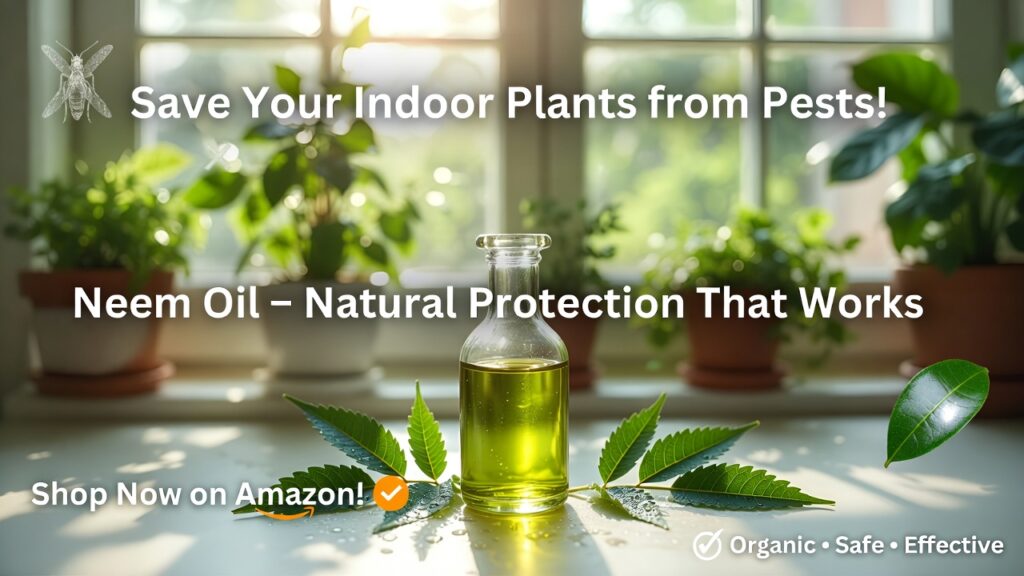
Grab a top-rated bottle today and protect your green friends—click on picture to shop on Amazon now: Your indoor jungle will thank you!
 Spray Foam Insulation: Energy Hero or Cancer Culprit?
 10 Nutrient-Dense Organic Foods to Boost Your Energy Without Caffeine
 Air inside your home may be more polluted than outside due to everyday chemical products
 Fix Your Toxic Home and Live Longer