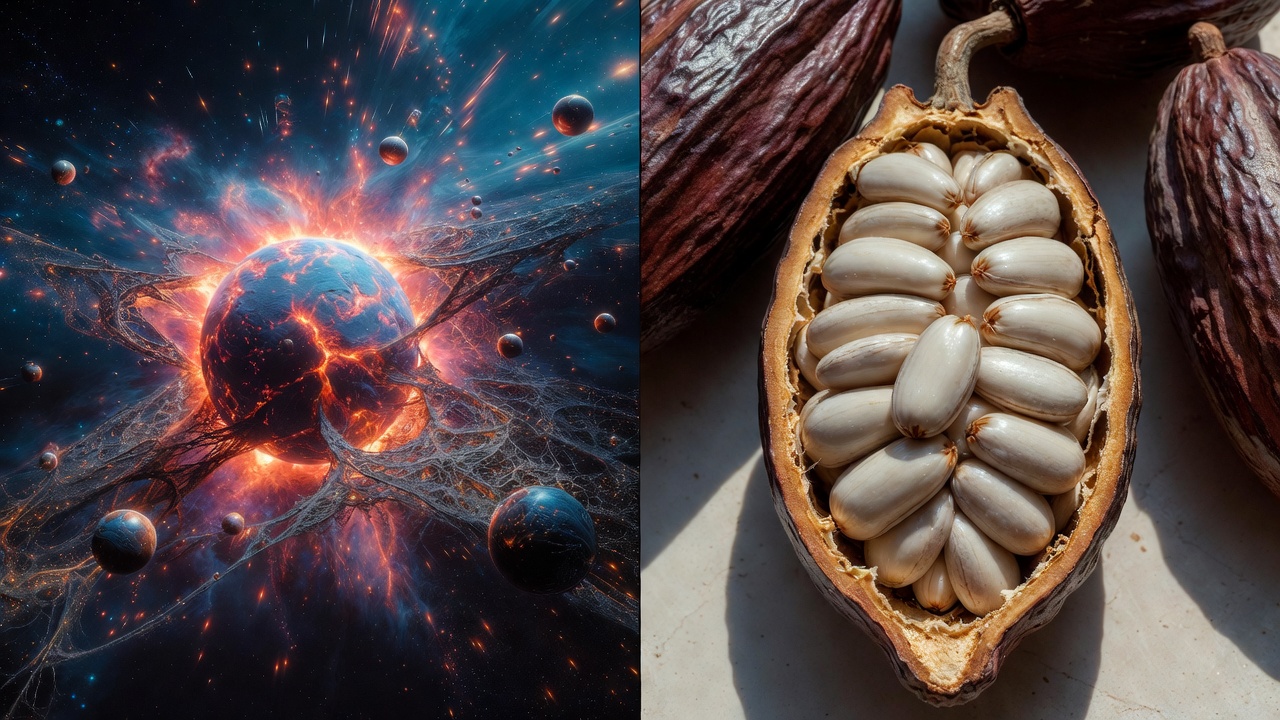
Compounds found in cocoa known as flavanols have long been linked to better blood vessel function, particularly in people with heart disease risk factors or existing conditions. But what about healthy individuals with no apparent cardiovascular issues? A key study from the Flaviola Health Study set out to answer this question by examining the effects of regular cocoa flavanol intake in middle-aged adults at low risk for heart disease.
Pilot Study: Initial Signs of Benefit
Researchers first conducted a short, one-month, open-label pilot study. Healthy participants consumed a drink providing 450 mg of cocoa flavanols twice daily. Endothelial function — the ability of blood vessels to dilate properly — was assessed using flow-mediated vasodilation (FMD), a standard non-invasive measure.
The results showed a clear time-dependent improvement in FMD, with benefits steadily increasing and reaching a plateau after about two weeks. This suggested that cocoa flavanols could enhance vascular health relatively quickly, even in people without any history, signs, or symptoms of cardiovascular disease (CVD).
Main Randomized Trial: Robust Evidence Emerges
Building on these encouraging findings, the team carried out a larger, more rigorous trial (registered as NCT01799005 on ClinicalTrials.gov). This was a randomized, controlled, double-masked, parallel-groupstudy involving 100 healthy middle-aged adults (aged 35–60 years, both men and women).
Participants consumed either the same 450 mg cocoa flavanol drink or a closely matched flavanol-free controldrink twice daily for one month. The primary outcome was the change in FMD. Secondary measures included blood pressure, plasma lipids, pulse wave velocity (a marker of arterial stiffness), and the Framingham Risk Score — a widely used tool to estimate 10-year cardiovascular risk.
After one month, the cocoa flavanol group showed meaningful improvements across multiple markers compared to the control group:
- Endothelial function improved significantly, with FMD increasing by 1.2% (95% CI: 1.0–1.4%).
- Systolic blood pressure decreased by 4.4 mmHg (95% CI: 7.9–0.9 mmHg).
- Diastolic blood pressure decreased by 3.9 mmHg (95% CI: 6.7–0.9 mmHg).
- Pulse wave velocity (arterial stiffness) improved by 0.4 m/s (95% CI: 0.8–0.04 m/s).
- Total cholesterol dropped by 0.20 mmol/L (95% CI: 0.39–0.01 mmol/L).
- LDL-cholesterol (“bad” cholesterol) decreased by 0.17 mmol/L (95% CI: 0.32–0.02 mmol/L).
- HDL-cholesterol (“good” cholesterol) increased by 0.10 mmol/L (95% CI: 0.04–0.17 mmol/L).
These changes translated into a notable reduction in estimated long-term risk. Applying the Framingham Risk Score, regular cocoa flavanol intake was associated with a significant lowering of the predicted 10-year risk for coronary heart disease (CHD), myocardial infarction, overall CVD, and death from CHD or CVD.
Why This Matters
This research stands out because most earlier studies focused on higher-risk groups (e.g., people with hypertension, diabetes, or established heart disease). The Flaviola Health Study demonstrated that even in healthy, low-risk middle-aged adults, consistent intake of cocoa flavanols can enhance key surrogates of cardiovascular health — from better blood vessel flexibility and lower blood pressure to improved cholesterol profiles.
These findings highlight the potential of dietary flavanols as a simple, food-based approach to help maintain cardiovascular wellness over time, potentially preventing or delaying age-related vascular changes.While larger and longer-term studies are needed to confirm these effects and explore optimal doses and sources, the results add to growing evidence that flavanol-rich foods — such as certain dark chocolates, cocoa beverages, or other flavanol-containing items — may offer meaningful benefits for heart health in the general population.

 A daily fish oil supplement slashed serious heart risks in dialysis patients
 Gut bacteria can make blood pressure medication less effective
 Eating two servings of avocados a week linked to lower risk of cardiovascular disease
 Daily Cranberry Consumption Improves Cardiovascular Function